THE ADVENTURE COLLECTIVE® · Independent discovery and booking for outdoor travel

Spend a night under an expansive desert sky at Wadi El Hitan, a UNESCO site where fossil whales punctuate a former seabed. This two-day trip blends 4x4 desert travel, guided fossil viewing, and camping near the Valley of the Whales.
Spend a night under an expansive desert sky at Wadi El Hitan, a UNESCO site where fossil whales punctuate a former seabed. This two-day trip blends 4x4 desert travel, guided fossil viewing, and camping near the Valley of the Whales.
The sun drops through a thin desert haze as the jeep eases off the sand track and the fossil-strewn plain opens up. You step out into a wide, quiet emptiness where rib-like whale bones lay half-buried and the sky takes over — stars arrive like an attentive audience. Night here is cold and precise; the desert seems to lean in and listen.
Verified experiences and guided adventures in the surrounding area.
Operated by Egypt Mo Tours · Fayoum, Faiyum Governorate
The sun drops through a thin desert haze as the jeep eases off the sand track and the fossil-strewn plain opens up. You step out into a wide, quiet emptiness where rib-like whale bones lay half-buried and the sky takes over — stars arrive like an attentive audience. Night here is cold and precise; the desert seems to lean in and listen.
Wadi El Hitan (Valley of the Whales) sits in Egypt’s Western Desert and was inscribed as a UNESCO World Heritage Site in 2005 for its wealth of Eocene whale fossils dating back tens of millions of years. The landscape is geological storytelling: soft sedimentary rock that was once seabed, layered escarpments, and isolated rock formations such as Mudawara Mountain. Local settlements like Tunis village provide a cultural counterpoint — small oases communities tied to agriculture and salt lakes such as Qarun.
Practically, expect a two-day loop from Cairo with vehicle transfers, a guided 4x4 approach into the fossil fields, meals provided, and an overnight camp with basic accommodations. Footing is sandy and rocky; modest elevation changes but long, exposed walking between exhibits. Bring sun protection, plenty of water, a warm layer for desert nights and a headlamp. Respect fenced or marked fossil sites — removal is illegal — and plan timing around cooler morning and late-afternoon windows for exploration. The trip balances natural history with hands-on desert travel: short hikes, fossil viewing, a museum stop, and a night under a bowl of stars that feels intentionally, and surprisingly, close.
moderate.
2 days (≈48 hours).
Moderate fitness: able to manage short hikes on uneven terrain and endure dusty conditions.
The camp is set near the protected fossil areas accessible by 4x4; it’s basic accommodation with guided access rather than a serviced hotel.
Some display areas are accessible, but a guide ensures you see the most significant sites and explains protection rules and geology.
Children can join if supervised; the operator notes that the trip requires moderate fitness and guardians should watch children around exposed fossils and uneven ground.
Entry to the protected area is regulated and included in guided tours; removing fossils or collecting samples is prohibited and enforced.
Wadi El Hitan preserves Eocene-era fossils of early whales and other marine life, showcasing a time when this desert was seabed; the site gained UNESCO protection in 2005.
The area is a protected natural reserve: fossil collection is illegal and guided access helps limit erosion and disturbance to sensitive exposures.
Egypt Mo Tours operates guided outdoor trips and adventures with an emphasis on safety, stewardship, and memorable experiences.
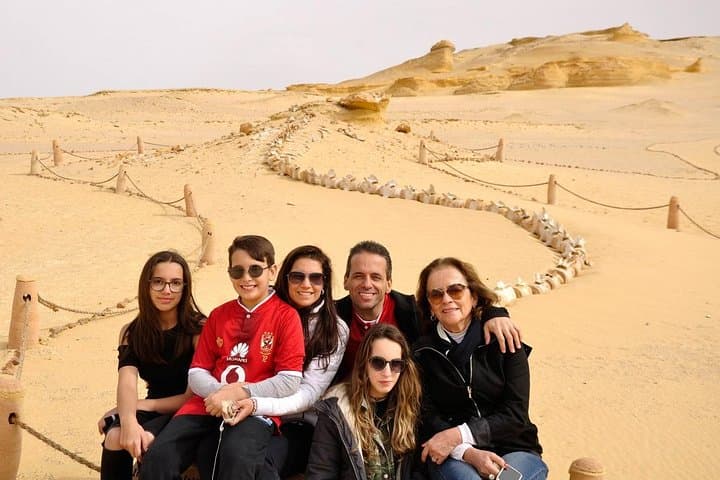
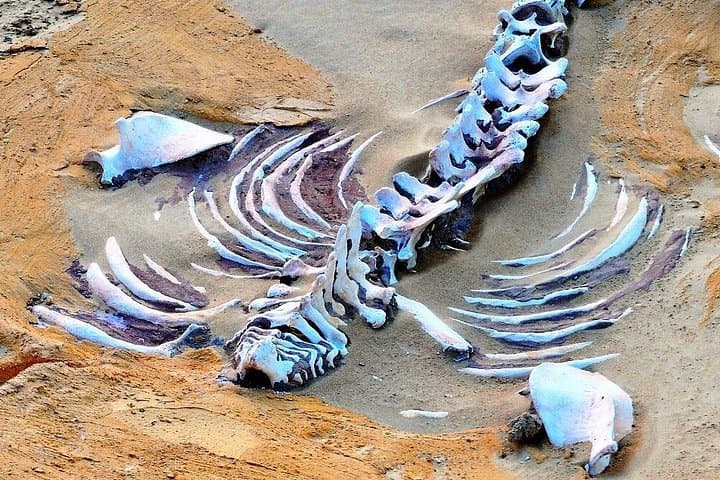


The sun drops through a thin desert haze as the jeep eases off the sand track and the fossil-strewn plain opens up. You step out into a wide, quiet emptiness where rib-like whale bones lay half-buried and the sky takes over — stars arrive like an attentive audience. Night here is cold and precise; the desert seems to lean in and listen.
The sun drops through a thin desert haze as the jeep eases off the sand track and the fossil-strewn plain opens up. You step out into a wide, quiet emptiness where rib-like whale bones lay half-buried and the sky takes over — stars arrive like an attentive audience. Night here is cold and precise; the desert seems to lean in and listen.
Wadi El Hitan (Valley of the Whales) sits in Egypt’s Western Desert and was inscribed as a UNESCO World Heritage Site in 2005 for its wealth of Eocene whale fossils dating back tens of millions of years. The landscape is geological storytelling: soft sedimentary rock that was once seabed, layered escarpments, and isolated rock formations such as Mudawara Mountain. Local settlements like Tunis village provide a cultural counterpoint — small oases communities tied to agriculture and salt lakes such as Qarun.
Practically, expect a two-day loop from Cairo with vehicle transfers, a guided 4x4 approach into the fossil fields, meals provided, and an overnight camp with basic accommodations. Footing is sandy and rocky; modest elevation changes but long, exposed walking between exhibits. Bring sun protection, plenty of water, a warm layer for desert nights and a headlamp. Respect fenced or marked fossil sites — removal is illegal — and plan timing around cooler morning and late-afternoon windows for exploration. The trip balances natural history with hands-on desert travel: short hikes, fossil viewing, a museum stop, and a night under a bowl of stars that feels intentionally, and surprisingly, close.