THE ADVENTURE COLLECTIVE® · Independent discovery and booking for outdoor travel

Spend a night on white sand and snorkel clear reefs at Oman’s Daymaniyat Islands. This overnight trip combines guided snorkelling among turtles and coral with simple beach camping and Omani hospitality.
Spend a night on white sand and snorkel clear reefs at Oman’s Daymaniyat Islands. This overnight trip combines guided snorkelling among turtles and coral with simple beach camping and Omani hospitality.
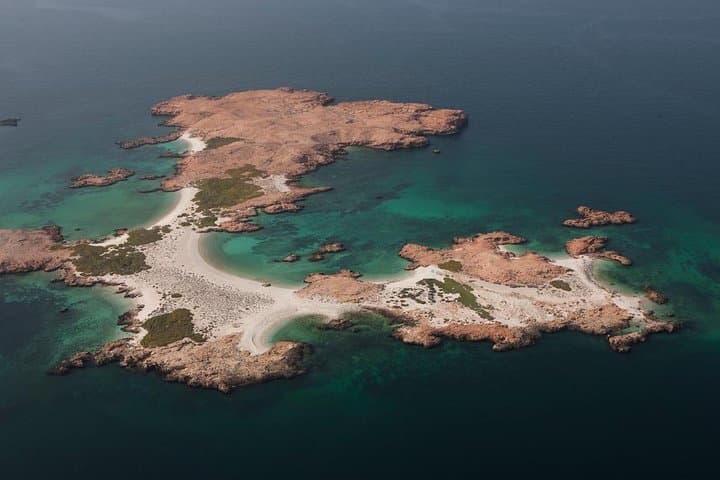
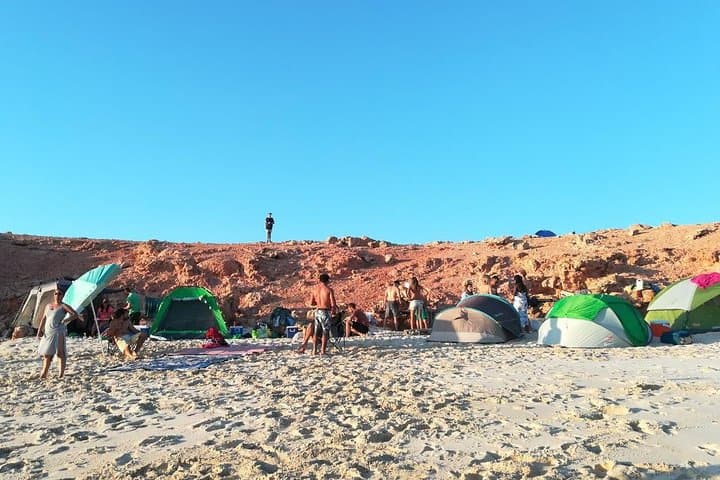
You step off the speedboat onto sand so white it flashes against the sun, and the ocean immediately makes its presence known: a clear, bright sheet that dares you to dive in. Around you, a ring of low, craggy islets rises from turquoise water—Daymaniyat Islands—where coral gardens slope down into blue and turtles surface lazily close to shore. The island camp is simple: a shaded beach setup, a scattering of mats and tents, and the smell of charcoal waiting for a barbeque.
Verified experiences and guided adventures in the surrounding area.
Operated by QTours.om · Muscat, Muscat Governorate
You step off the speedboat onto sand so white it flashes against the sun, and the ocean immediately makes its presence known: a clear, bright sheet that dares you to dive in. Around you, a ring of low, craggy islets rises from turquoise water—Daymaniyat Islands—where coral gardens slope down into blue and turtles surface lazily close to shore. The island camp is simple: a shaded beach setup, a scattering of mats and tents, and the smell of charcoal waiting for a barbeque.
The Daymaniyat Islands are Oman’s marine inheritance—protected as a reserve in the late 20th century to safeguard breeding grounds for green turtles and to preserve healthy coral reefs. Geologically the islands are limestone outcrops pocked with gullies and shallow lagoons; ecologically they’re a rare stretch of reef that supports dense fish life and seasonal seabird colonies. Local fishing communities historically respected these waters and modern conservation programs build on that tradition, limiting impacts while allowing visitors to witness the marine rhythms.
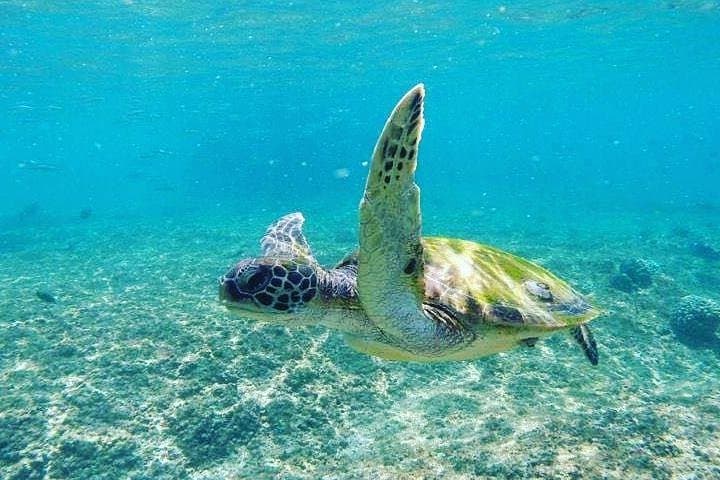
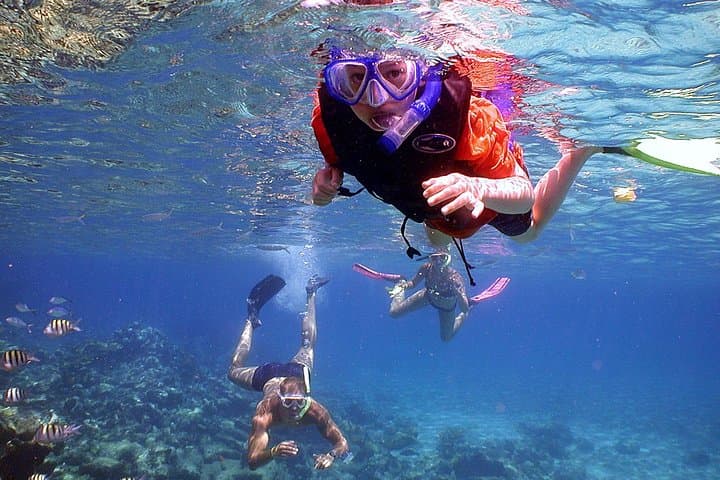
A typical day begins with a roughly 45-minute ride from Marina Bander Al Rwdha. By midmorning the reef shows itself: bommies carpeted in hard and soft corals, parrotfish scraping algae, and the occasional shy reef turtle gliding among the growth. Guides set up snorkel routes that thread between coral heads and shallow channels; at low tide the sandbars reveal perfect picnic spots and quiet coves for shelling.
Culturally you’ll notice Omani hospitality in small things: thermoses of omani coffee passed around at camp, and a menu that can shift from a simple BBQ to a seafood spread with Arabic spices. The islands draw both day-trippers and overnight campers—those who stay get the reward of an after-hours reef, when the daytime crowds leave and the sound of waves and wind takes charge.
Practical details: camps are basic but comfortable—expect beach tents or bring a lightweight sleeping system; snorkeling gear and permits are included. Water visibility is best in calm morning conditions; winds pick up in the afternoon, which can make the return ride choppier. Respect the reserve rules: do not touch coral or chase turtles. Bring reef-safe sunscreen, a good mask and fins, and a lightweight sleeping bag.
This is an adventure that balances ease with wonder. It’s accessible to most travelers—families, first-time snorkelers, and experienced divers—who come prepared to move slowly, to keep an eye on the water, and to let the islands’ quieter hours be the highlight. When night falls, the campfire fades and the ocean seems to keep watch—a steady, luminous presence until dawn pulls back the veil and shows you the reef anew.
easy.
2 days (approx. 48 hours).
Suitable for most fitness levels; participants should be comfortable swimming short distances and moving on sand.
Transfers from Marina Bander Al Rwdha, entrance permits, snorkelling and camping equipment, expert guide, and three meals per 24 hours are included.
Yes—families are welcome; the activity listing notes it’s suitable for all fitness levels, but children should be supervised in water.
Certification is required only for certified dives; snorkelling and guided surface activities do not need certification.
Facilities are basic—expect limited or no power and portable toilets or pit facilities; plan to bring power banks and personal hygiene items.
Stay calm, keep distance (about 3 meters), move slowly parallel to the animal, and never attempt to touch or ride it.
The operator may cancel for safety or insufficient numbers; full refunds are possible if cancelled at least 24 hours ahead or due to weather.
The Daymaniyat Islands were designated a protected marine reserve in the late 1990s to conserve turtle nesting sites and healthy coral reefs.
Visitors are asked to follow reserve rules: use reef-safe products, avoid touching coral, and follow guide instructions to minimize impact on breeding turtles and reef habitats.
QTours.om operates guided outdoor trips and adventures with an emphasis on safety, stewardship, and memorable experiences.
You step off the speedboat onto sand so white it flashes against the sun, and the ocean immediately makes its presence known: a clear, bright sheet that dares you to dive in. Around you, a ring of low, craggy islets rises from turquoise water—Daymaniyat Islands—where coral gardens slope down into blue and turtles surface lazily close to shore. The island camp is simple: a shaded beach setup, a scattering of mats and tents, and the smell of charcoal waiting for a barbeque.
You step off the speedboat onto sand so white it flashes against the sun, and the ocean immediately makes its presence known: a clear, bright sheet that dares you to dive in. Around you, a ring of low, craggy islets rises from turquoise water—Daymaniyat Islands—where coral gardens slope down into blue and turtles surface lazily close to shore. The island camp is simple: a shaded beach setup, a scattering of mats and tents, and the smell of charcoal waiting for a barbeque.
The Daymaniyat Islands are Oman’s marine inheritance—protected as a reserve in the late 20th century to safeguard breeding grounds for green turtles and to preserve healthy coral reefs. Geologically the islands are limestone outcrops pocked with gullies and shallow lagoons; ecologically they’re a rare stretch of reef that supports dense fish life and seasonal seabird colonies. Local fishing communities historically respected these waters and modern conservation programs build on that tradition, limiting impacts while allowing visitors to witness the marine rhythms.
A typical day begins with a roughly 45-minute ride from Marina Bander Al Rwdha. By midmorning the reef shows itself: bommies carpeted in hard and soft corals, parrotfish scraping algae, and the occasional shy reef turtle gliding among the growth. Guides set up snorkel routes that thread between coral heads and shallow channels; at low tide the sandbars reveal perfect picnic spots and quiet coves for shelling.
Culturally you’ll notice Omani hospitality in small things: thermoses of omani coffee passed around at camp, and a menu that can shift from a simple BBQ to a seafood spread with Arabic spices. The islands draw both day-trippers and overnight campers—those who stay get the reward of an after-hours reef, when the daytime crowds leave and the sound of waves and wind takes charge.
Practical details: camps are basic but comfortable—expect beach tents or bring a lightweight sleeping system; snorkeling gear and permits are included. Water visibility is best in calm morning conditions; winds pick up in the afternoon, which can make the return ride choppier. Respect the reserve rules: do not touch coral or chase turtles. Bring reef-safe sunscreen, a good mask and fins, and a lightweight sleeping bag.
This is an adventure that balances ease with wonder. It’s accessible to most travelers—families, first-time snorkelers, and experienced divers—who come prepared to move slowly, to keep an eye on the water, and to let the islands’ quieter hours be the highlight. When night falls, the campfire fades and the ocean seems to keep watch—a steady, luminous presence until dawn pulls back the veil and shows you the reef anew.