THE ADVENTURE COLLECTIVE® · Independent discovery and booking for outdoor travel

Ride camels from Mhamid into the silent Erg Lihoudi dunes, sleep in a Berber tent, and watch sunrise over the Sahara. This overnight trek blends peaceful desert travel with local hospitality and a simple desert camp experience.
Ride camels from Mhamid into the silent Erg Lihoudi dunes, sleep in a Berber tent, and watch sunrise over the Sahara. This overnight trek blends peaceful desert travel with local hospitality and a simple desert camp experience.
You arrive in Mhamid as the town exhales heat; camels shift and guides check tack while the first late-afternoon light sharpens dune edges. The trek out of village palms moves slowly—camel backs rising and falling—until the modern world thins and the Erg Lihoudi dunes take the lead, their ridges folding like slow-motion waves across a sun-washed plain.
Verified experiences and guided adventures in the surrounding area.
Operated by Visit Merzouga · Mhamid, Drâa-Tafilalet
You arrive in Mhamid as the town exhales heat; camels shift and guides check tack while the first late-afternoon light sharpens dune edges. The trek out of village palms moves slowly—camel backs rising and falling—until the modern world thins and the Erg Lihoudi dunes take the lead, their ridges folding like slow-motion waves across a sun-washed plain.
The Sahara here is shaped by Atlas-sourced sands and old river corridors; what you cross were once seasonal wadis that guided caravans and nomadic families for centuries. Mhamid has long been a gateway for trans-Saharan routes and remains a living center of Amazigh (Berber) hospitality: tents, tea rituals, and evening drums continue practices adapted to this harsh landscape.
At camp, hosts offer mint tea and a simple tagine; sunset compresses the light into gold and violet, and night reveals an ocean of stars. Sunrise returns a different palette—cut shadows that show how dunes keep their own memory of wind and time.
Practical edge: the itinerary is an overnight camel trek with a staffed desert camp—expect basic but comfortable Berber tents, shared facilities, and a slow-paced walk by camel for most of the route. Bring layered clothing for extreme diurnal temperature swings, sun protection, and at least 2 liters of water. Footwear should be sturdy and breathable; practice mounting/dismounting before setting off if unfamiliar with camels.
Timing: aim for shoulder seasons to avoid extreme summer heat. Respect local customs, avoid open fires outside the camp, and follow guides’ directions—the dunes are beautiful but fragile.
easy.
12 hours (overnight).
Suitable for most fitness levels; ability to sit on a camel for several hours and walk short stretches is helpful.
Expect several hours each way spread across the afternoon and next-morning return; time on a camel is paced and includes short walking breaks.
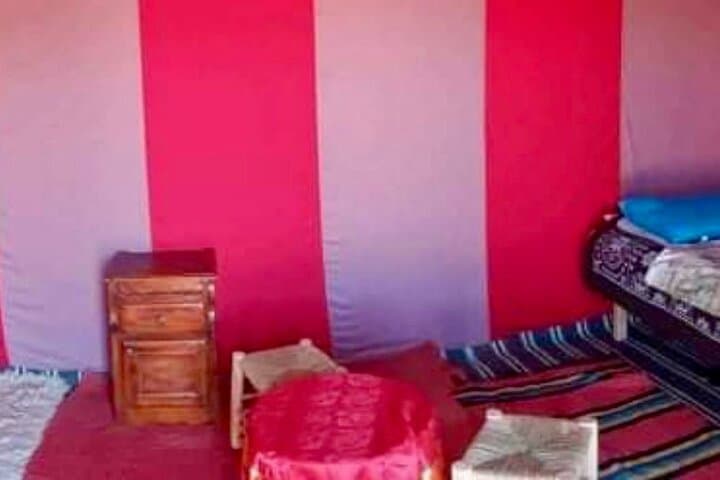
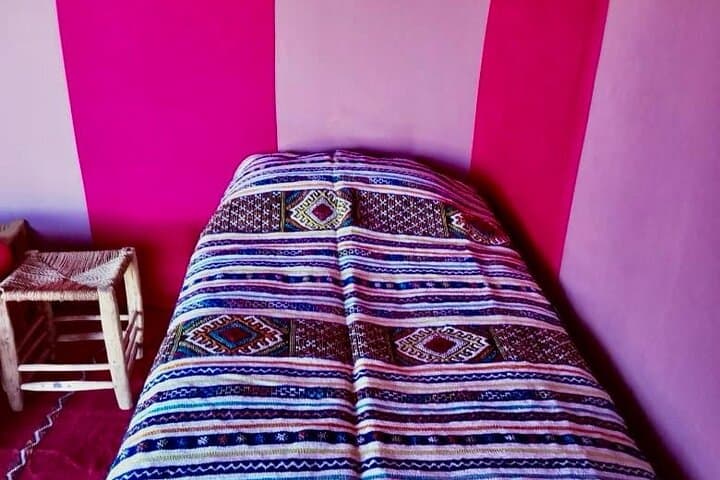
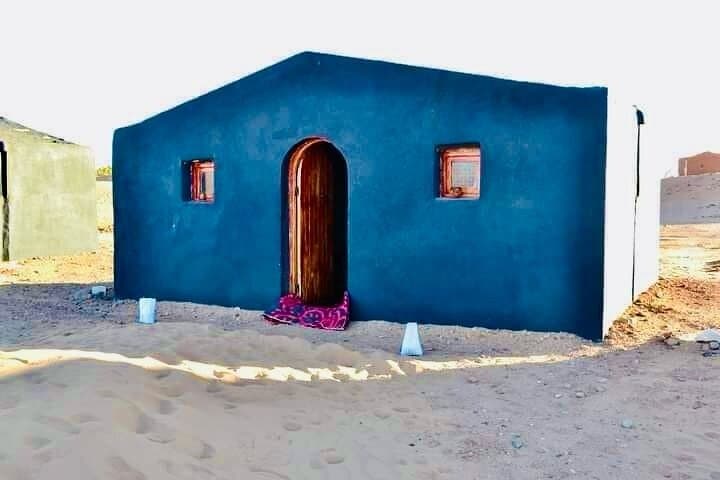
Guests sleep in traditional Berber tents; bedding is provided though conditions are basic—some camps may offer sleeping under the stars when weather permits.
The tour notes it isn’t recommended for pregnant travelers; children can often join but check age and safety policies with the operator before booking.
A simple Moroccan dinner, breakfast, and tea are provided at camp; bring personal water and any special food items you need.
Mhamid was a terminal point for regional caravan routes and remains culturally tied to nomadic Amazigh communities who adapted salt and date trade routes across these sands.
The dune systems are ecologically fragile; avoid driving on dunes, limit campfires to designated areas, and pack out waste to reduce impact.
Visit Merzouga operates guided outdoor trips and adventures with an emphasis on safety, stewardship, and memorable experiences.

You arrive in Mhamid as the town exhales heat; camels shift and guides check tack while the first late-afternoon light sharpens dune edges. The trek out of village palms moves slowly—camel backs rising and falling—until the modern world thins and the Erg Lihoudi dunes take the lead, their ridges folding like slow-motion waves across a sun-washed plain.
You arrive in Mhamid as the town exhales heat; camels shift and guides check tack while the first late-afternoon light sharpens dune edges. The trek out of village palms moves slowly—camel backs rising and falling—until the modern world thins and the Erg Lihoudi dunes take the lead, their ridges folding like slow-motion waves across a sun-washed plain.
The Sahara here is shaped by Atlas-sourced sands and old river corridors; what you cross were once seasonal wadis that guided caravans and nomadic families for centuries. Mhamid has long been a gateway for trans-Saharan routes and remains a living center of Amazigh (Berber) hospitality: tents, tea rituals, and evening drums continue practices adapted to this harsh landscape.
At camp, hosts offer mint tea and a simple tagine; sunset compresses the light into gold and violet, and night reveals an ocean of stars. Sunrise returns a different palette—cut shadows that show how dunes keep their own memory of wind and time.
Practical edge: the itinerary is an overnight camel trek with a staffed desert camp—expect basic but comfortable Berber tents, shared facilities, and a slow-paced walk by camel for most of the route. Bring layered clothing for extreme diurnal temperature swings, sun protection, and at least 2 liters of water. Footwear should be sturdy and breathable; practice mounting/dismounting before setting off if unfamiliar with camels.
Timing: aim for shoulder seasons to avoid extreme summer heat. Respect local customs, avoid open fires outside the camp, and follow guides’ directions—the dunes are beautiful but fragile.