THE ADVENTURE COLLECTIVE® · Independent discovery and booking for outdoor travel

Ride camels into the dunes of Erg Chebbi, spend a night in a Berber tent, try sandboarding, and watch sunrise paint the Sahara. Practical tips on timing, gear and what to expect on this easy overnight desert trek.
Ride camels into the dunes of Erg Chebbi, spend a night in a Berber tent, try sandboarding, and watch sunrise paint the Sahara. Practical tips on timing, gear and what to expect on this easy overnight desert trek.
You arrive in Merzouga as the late afternoon sun leans low, camels kneel and the dunes ahead take on a molten edge. The caravan sets off—slow, rhythmic sways—cutting tracks across the Erg Chebbi sand sea toward a cluster of Berber tents. By the time the sky dims, the campfire is lit, tagine is steaming, and the desert itself seems to breathe.
Verified experiences and guided adventures in the surrounding area.
Operated by Merzouga Desert · Merzouga, Drâa-Tafilalet
You arrive in Merzouga as the late afternoon sun leans low, camels kneel and the dunes ahead take on a molten edge. The caravan sets off—slow, rhythmic sways—cutting tracks across the Erg Chebbi sand sea toward a cluster of Berber tents. By the time the sky dims, the campfire is lit, tagine is steaming, and the desert itself seems to breathe.
Erg Chebbi formed from millennia of wind and Sahara sands; its star-shaped dunes reach roughly 100–150 m high and stretch for several kilometers, a moving landscape shaped by sirocco and elevation shifts. The area around Merzouga has long been a crossroads for salt and caravan trade, with local Amazigh (Berber) communities preserving music, drumming and hospitality traditions you’ll encounter in camp.
Expect soft, shifting sand underfoot, long camel saddles rather than steep technical routes, and two short camel legs—each commonly 1–2 hours—between Merzouga and camp. Sandboarding, a quick steep sprint down windward faces, is the day’s optional adrenaline.
Practical guidance: book around sunset to catch color and again for sunrise—both are the trip’s highlights. Temperatures swing dramatically; daytime heat requires 2–3 liters of water and sun protection, nights drop enough for a warm layer. Footwear should be sturdy and close-toed to keep sand out; practice mounting and dismounting on flat ground before the trek.
If you want solitude, request a private tent and avoid holiday peaks. Respect the fragile dune ecosystem—leave no trace, reduce plastic, and follow local guide instructions. The experience is less about distance and more about cadence: slow camel steps, wide skies, and a desert that presses gently but persistently against the senses.
easy.
2 days (approx. 48 hours).
Suitable for most fitness levels; must be able to mount/dismount a camel and tolerate sitting for 1–2 hour rides.
Expect roughly 1–2 hours each way between Merzouga and the desert camp depending on the exact camp location and pace set by the camel handler.
Options vary by tent level; many camps offer private tents with shared or en‑suite bathrooms—confirm at booking for a private bathroom request.
Yes; operators note the tour is suitable for most fitness levels, though mounting camels and sustained sitting may be uncomfortable for some—ask about infant seats or alternative transport if needed.
Tipping is customary; small cash tips for camel handlers, cooks and guides are appreciated and support local livelihoods.
Merzouga lies on historic caravan routes linking sub-Saharan trade with North African markets; local Amazigh communities maintain traditional music, crafts and hospitality.
Dune ecosystems are fragile—stick to established routes, avoid removing plants or fossils, minimize plastic waste and support local guides who practice low-impact camping.
Merzouga Desert operates guided outdoor trips and adventures with an emphasis on safety, stewardship, and memorable experiences.
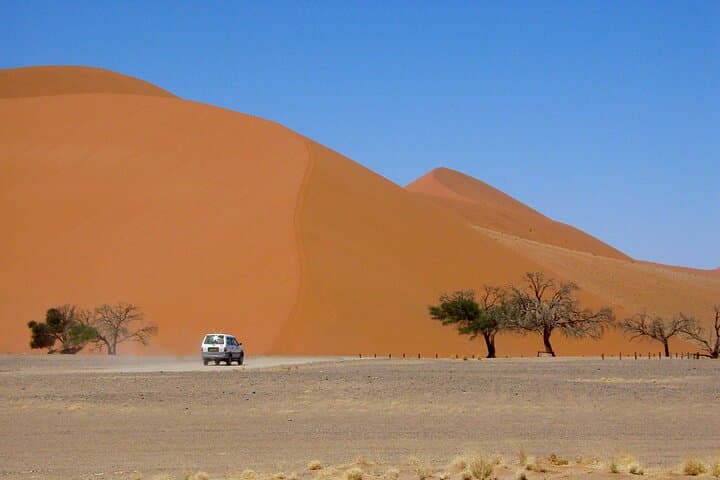


You arrive in Merzouga as the late afternoon sun leans low, camels kneel and the dunes ahead take on a molten edge. The caravan sets off—slow, rhythmic sways—cutting tracks across the Erg Chebbi sand sea toward a cluster of Berber tents. By the time the sky dims, the campfire is lit, tagine is steaming, and the desert itself seems to breathe.
You arrive in Merzouga as the late afternoon sun leans low, camels kneel and the dunes ahead take on a molten edge. The caravan sets off—slow, rhythmic sways—cutting tracks across the Erg Chebbi sand sea toward a cluster of Berber tents. By the time the sky dims, the campfire is lit, tagine is steaming, and the desert itself seems to breathe.
Erg Chebbi formed from millennia of wind and Sahara sands; its star-shaped dunes reach roughly 100–150 m high and stretch for several kilometers, a moving landscape shaped by sirocco and elevation shifts. The area around Merzouga has long been a crossroads for salt and caravan trade, with local Amazigh (Berber) communities preserving music, drumming and hospitality traditions you’ll encounter in camp.
Expect soft, shifting sand underfoot, long camel saddles rather than steep technical routes, and two short camel legs—each commonly 1–2 hours—between Merzouga and camp. Sandboarding, a quick steep sprint down windward faces, is the day’s optional adrenaline.
Practical guidance: book around sunset to catch color and again for sunrise—both are the trip’s highlights. Temperatures swing dramatically; daytime heat requires 2–3 liters of water and sun protection, nights drop enough for a warm layer. Footwear should be sturdy and close-toed to keep sand out; practice mounting and dismounting on flat ground before the trek.
If you want solitude, request a private tent and avoid holiday peaks. Respect the fragile dune ecosystem—leave no trace, reduce plastic, and follow local guide instructions. The experience is less about distance and more about cadence: slow camel steps, wide skies, and a desert that presses gently but persistently against the senses.