THE ADVENTURE COLLECTIVE® · Independent discovery and booking for outdoor travel

Ride out of Jaisalmer into the Thar at golden hour, sleep on the sand beneath clear desert stars, and return at sunrise. This two-day overnight camel safari pairs a sunset dune ride with a traditional camp meal and basic comforts.
Ride out of Jaisalmer into the Thar at golden hour, sleep on the sand beneath clear desert stars, and return at sunrise. This two-day overnight camel safari pairs a sunset dune ride with a traditional camp meal and basic comforts.
A hot wind pushes up from the western horizon as a jeep threads a sandy track toward the dunes. By late afternoon the landscape opens: a flat of wind-sculpted sand, the silhouette of Khaba Fort like an abandoned watchtower, and camels gathered at a low ridge where guides gather the caravans. You climb into a saddle as the sun leans slow, and the desert—patient and wide—begins to move under you.
Verified experiences and guided adventures in the surrounding area.
Operated by Shree Ganesham Tour · Jaisalmer, Rajasthan
A hot wind pushes up from the western horizon as a jeep threads a sandy track toward the dunes. By late afternoon the landscape opens: a flat of wind-sculpted sand, the silhouette of Khaba Fort like an abandoned watchtower, and camels gathered at a low ridge where guides gather the caravans. You climb into a saddle as the sun leans slow, and the desert—patient and wide—begins to move under you.
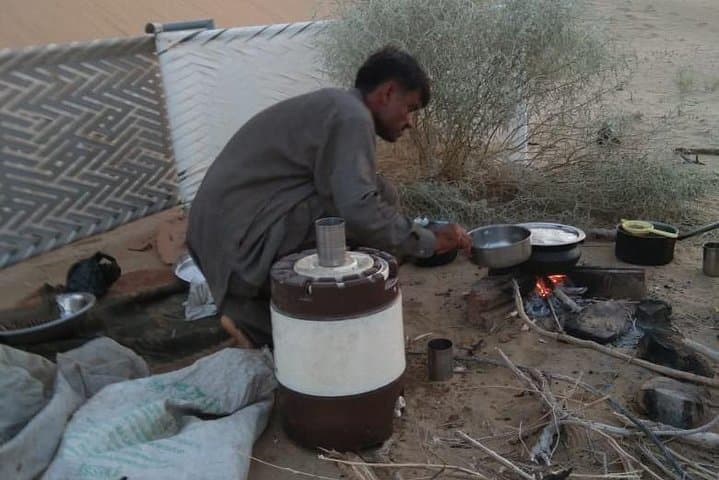
The Thar is young in geological terms, a stretch of aeolian sand and compacted loess shaped by monsoon gaps and centuries of trade. Jaisalmer itself grew as a trading hub on routes between India and Central Asia; camels were the freight engines of that economy and remain part of local life and tourism. At camp, local camel men prepare dal, chapati and rice over an open fire—an opportunity to learn desert fire-cooking and listen to stories about the empty city and the fort you passed.
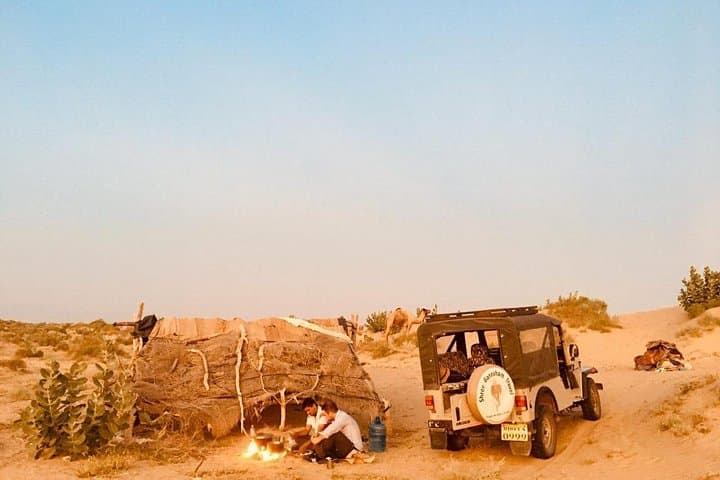
Practically: expect a two-day overnight with a jeep pickup mid-afternoon, a two-hour camel ride to the dunes at sunset, an open-air camp with mattresses and blankets, and a sunrise return. Nights can drop sharply so pack layers; daytime sun is intense—sunscreen and hydration are essential. Footing is soft sand; moderate fitness and basic mobility are required. Facilities are rustic though the operator provides bedding, water, and a post-trip shower in town.
This trip is best for travelers who want an accessible taste of the Thar’s wide skies, hands-on cultural exchange with camel handlers, and the simple rhythm of dunes, sun, and stars.
moderate.
2 days (approx. 48 hours).
Moderate fitness required: able to mount a camel, tolerate several hours of gentle riding and short walks on sand.
The advertised camel ride is about two hours total from camel point to the sand-dune camp area, timed to reach the dunes for sunset.
Camp toilets are basic or absent; the operator provides access to shower facilities back in town after the tour returns.
Children with moderate mobility can join, but the operator advises against participation for pregnant guests and those with serious back or heart conditions.
A vegetarian dinner (dal, mixed vegetable, rice, chapati, tea/coffee) and a simple breakfast (tea, toast, porridge, fruit, biscuits) are included.
Jaisalmer grew as a caravan hub on trade routes; camels were central to commerce and remain culturally important in the desert economy.
Dune ecosystems are fragile—minimize walking on shifting ridges, pack out waste, and follow local guidance to reduce erosion and disturbance.
Shree Ganesham Tour operates guided outdoor trips and adventures with an emphasis on safety, stewardship, and memorable experiences.
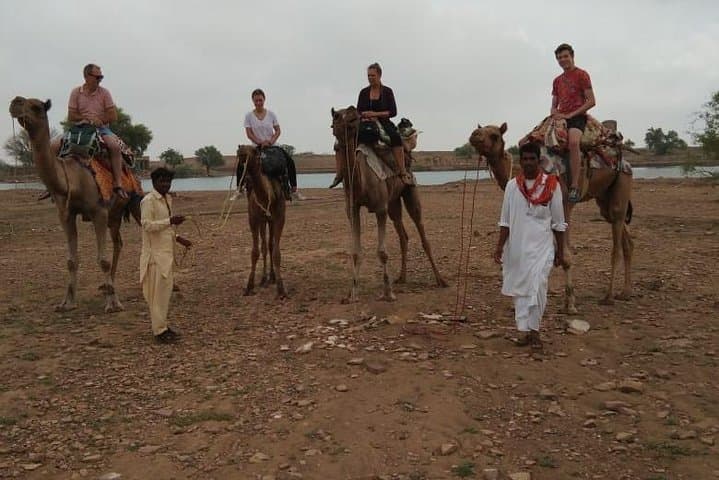
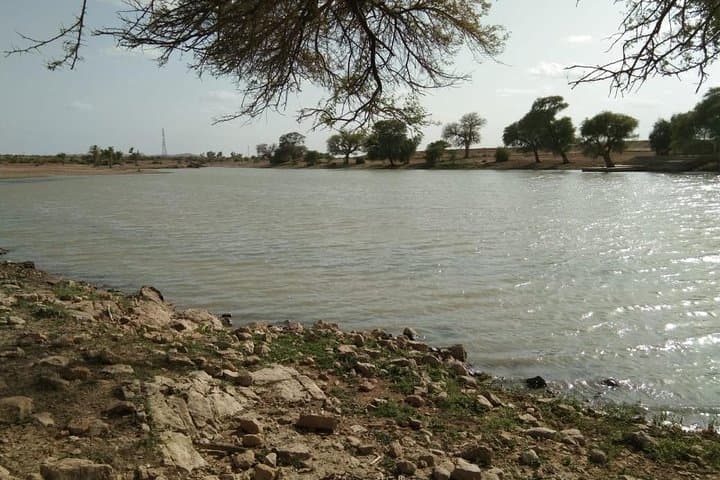
A hot wind pushes up from the western horizon as a jeep threads a sandy track toward the dunes. By late afternoon the landscape opens: a flat of wind-sculpted sand, the silhouette of Khaba Fort like an abandoned watchtower, and camels gathered at a low ridge where guides gather the caravans. You climb into a saddle as the sun leans slow, and the desert—patient and wide—begins to move under you.
A hot wind pushes up from the western horizon as a jeep threads a sandy track toward the dunes. By late afternoon the landscape opens: a flat of wind-sculpted sand, the silhouette of Khaba Fort like an abandoned watchtower, and camels gathered at a low ridge where guides gather the caravans. You climb into a saddle as the sun leans slow, and the desert—patient and wide—begins to move under you.
The Thar is young in geological terms, a stretch of aeolian sand and compacted loess shaped by monsoon gaps and centuries of trade. Jaisalmer itself grew as a trading hub on routes between India and Central Asia; camels were the freight engines of that economy and remain part of local life and tourism. At camp, local camel men prepare dal, chapati and rice over an open fire—an opportunity to learn desert fire-cooking and listen to stories about the empty city and the fort you passed.
Practically: expect a two-day overnight with a jeep pickup mid-afternoon, a two-hour camel ride to the dunes at sunset, an open-air camp with mattresses and blankets, and a sunrise return. Nights can drop sharply so pack layers; daytime sun is intense—sunscreen and hydration are essential. Footing is soft sand; moderate fitness and basic mobility are required. Facilities are rustic though the operator provides bedding, water, and a post-trip shower in town.
This trip is best for travelers who want an accessible taste of the Thar’s wide skies, hands-on cultural exchange with camel handlers, and the simple rhythm of dunes, sun, and stars.