THE ADVENTURE COLLECTIVE® · Independent discovery and booking for outdoor travel

Spend a calm night near Boudhanath and visit Pashupatinath and Kapan Monastery on a private, guided 2-day loop. Ideal for travelers seeking cultural immersion with minimal walking and comfortable accommodations.
Spend a calm night near Boudhanath and visit Pashupatinath and Kapan Monastery on a private, guided 2-day loop. Ideal for travelers seeking cultural immersion with minimal walking and comfortable accommodations.
You arrive into a pocket of calm less than an hour from Kathmandu's busiest streets: the white dome of Boudhanath fills your view as prayer flags snap in the wind and pilgrims walk the kora.
Verified experiences and guided adventures in the surrounding area.
Operated by Liberty Holidays · Kathmandu, Bagmati Province
You arrive into a pocket of calm less than an hour from Kathmandu's busiest streets: the white dome of Boudhanath fills your view as prayer flags snap in the wind and pilgrims walk the kora.
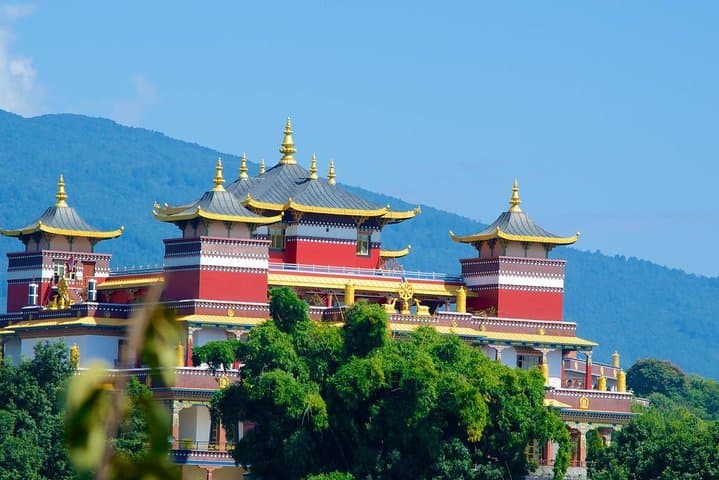
The itinerary threads three of Kathmandu's spiritual landmarks into a compact overnight stay. Pashupatinath sits on the Bagmati River—a working Hindu complex famous for its pagoda roof and open-air cremation ghats—while Boudhanath Stupa, rebuilt and expanded by Licchhavi-era patrons, presents the slow, meditative circuit of devotees and the all-seeing painted eyes. High above the valley, Kapan Monastery offers a quieter, Tibetan-Vajrayana perspective with prayer halls, student practices and hillside views.
Geology is modest here—terraced river valley and compact urban ridgelines—but culture runs deep: centuries of ritual, monastic study and Kathmandu's role as a Himalayan crossroads. That means respectful dress, low-volume photography and an openness to witnessing rituals rather than interrupting them.
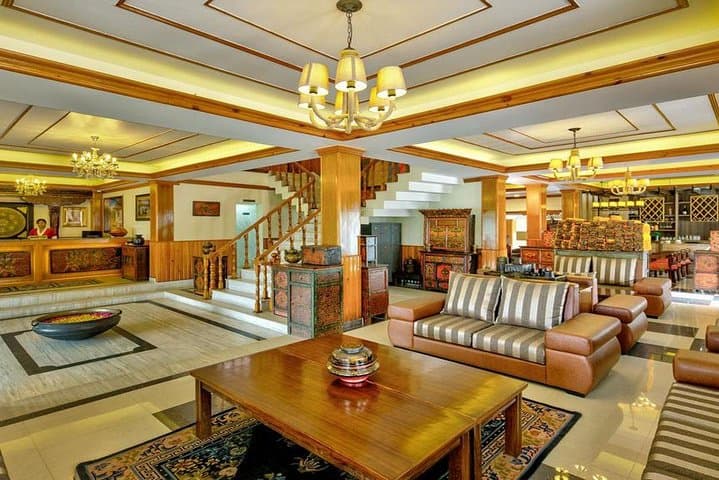
Practically: expect light walking on paved and uneven temple paths, shoe removal at many entrances, and a standard 3-star boutique hotel for one night with breakfast. Transfers are private and included; entrance fees are typically extra. Carry small-denomination Nepali rupees for donations and tea, wear layered clothing for cool mornings and warm afternoons, and plan early-morning or late-afternoon visits for the clearest light and fewer crowds. This is a short cultural stay designed for contemplation and accessible immersion—less a strenuous trek than a paced cultural loop that places you close to Kathmandu's living spiritual heart.
easy.
1–2 days.
Suitable for travelers of most fitness levels; involves short periods of walking on urban and uneven temple paths.
No—entrance fees (approximately USD 15 per person per itinerary notes) and any special donations are typically paid separately.
Yes—private transfers and hotel pickup/drop-off are included as part of the tour package.
Photography rules vary; outdoor temple circuits are generally fine but avoid photographing cremation rituals without permission—ask your guide first.
The overnight stay is in a 3‑star category hotel or resort, usually twin/double occupancy with single rooms for solo travelers when requested.
Boudhanath’s core was rebuilt and expanded under Licchhavi and later patronage; Pashupatinath is an ancient Shiva shrine that has been central to Nepali Hindu practice for centuries.
Temples see heavy foot traffic—minimize single-use plastic, stick to marked paths during ceremonies, and support local conservation by using licensed guides and official donation boxes.
Liberty Holidays operates guided outdoor trips and adventures with an emphasis on safety, stewardship, and memorable experiences.
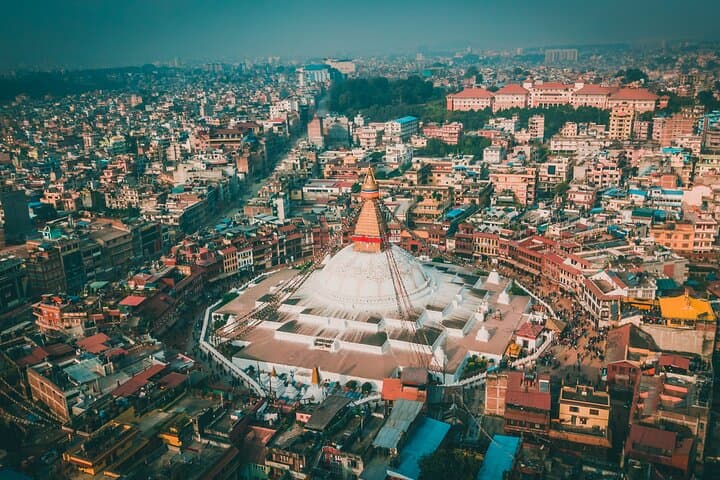
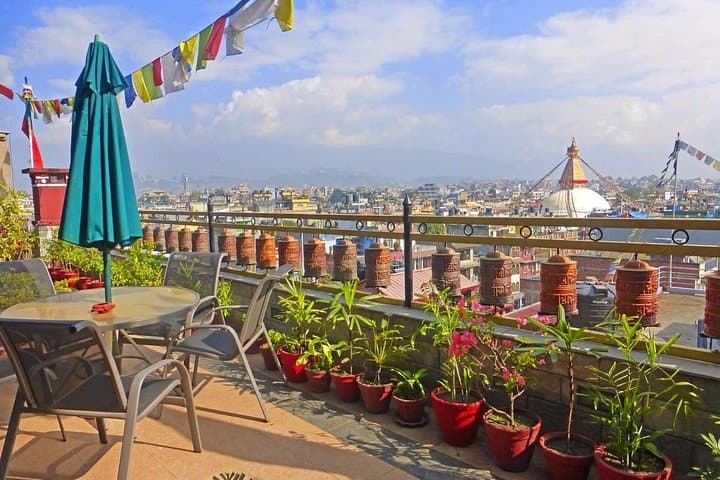
You arrive into a pocket of calm less than an hour from Kathmandu's busiest streets: the white dome of Boudhanath fills your view as prayer flags snap in the wind and pilgrims walk the kora.
You arrive into a pocket of calm less than an hour from Kathmandu's busiest streets: the white dome of Boudhanath fills your view as prayer flags snap in the wind and pilgrims walk the kora.
The itinerary threads three of Kathmandu's spiritual landmarks into a compact overnight stay. Pashupatinath sits on the Bagmati River—a working Hindu complex famous for its pagoda roof and open-air cremation ghats—while Boudhanath Stupa, rebuilt and expanded by Licchhavi-era patrons, presents the slow, meditative circuit of devotees and the all-seeing painted eyes. High above the valley, Kapan Monastery offers a quieter, Tibetan-Vajrayana perspective with prayer halls, student practices and hillside views.
Geology is modest here—terraced river valley and compact urban ridgelines—but culture runs deep: centuries of ritual, monastic study and Kathmandu's role as a Himalayan crossroads. That means respectful dress, low-volume photography and an openness to witnessing rituals rather than interrupting them.
Practically: expect light walking on paved and uneven temple paths, shoe removal at many entrances, and a standard 3-star boutique hotel for one night with breakfast. Transfers are private and included; entrance fees are typically extra. Carry small-denomination Nepali rupees for donations and tea, wear layered clothing for cool mornings and warm afternoons, and plan early-morning or late-afternoon visits for the clearest light and fewer crowds. This is a short cultural stay designed for contemplation and accessible immersion—less a strenuous trek than a paced cultural loop that places you close to Kathmandu's living spiritual heart.