THE ADVENTURE COLLECTIVE® · Independent discovery and booking for outdoor travel

A fast-paced, two-day safari from Nairobi to Amboseli National Park that pairs dawn game drives with towering views of Kilimanjaro. Ideal for travelers who want intense wildlife viewing without a week on the road.
A fast-paced, two-day safari from Nairobi to Amboseli National Park that pairs dawn game drives with towering views of Kilimanjaro. Ideal for travelers who want intense wildlife viewing without a week on the road.
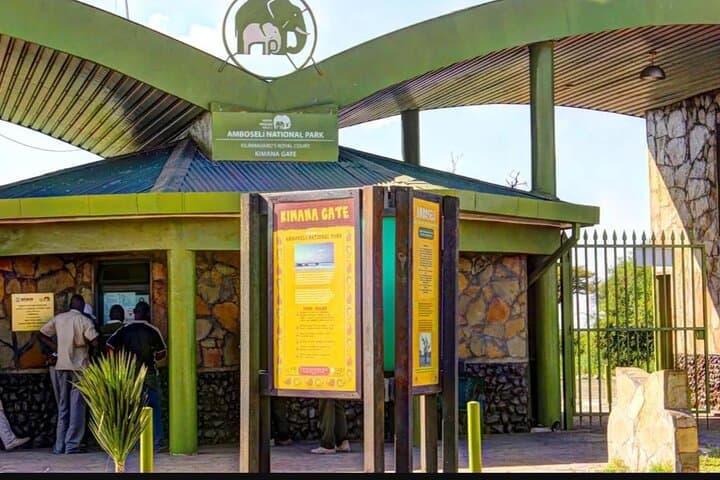
You arrive before dawn, the road unspooling east toward a plain that opens like a held breath. The van hums over cracked tarmac and then dirt, acacia silhouettes growing larger against a sky that pale-shifts to gold. By midafternoon the sprawl of Amboseli lays out below the rim of the lodge—dust, salt flats, and herds moving slow as weather. When clouds part at first light the hulking bulk of Kilimanjaro appears across the border, its snow an improbable crown against the scrub.
Verified experiences and guided adventures in the surrounding area.
Operated by Wellington Ecotours and Safaris · Amboseli (park), Kajiado County
You arrive before dawn, the road unspooling east toward a plain that opens like a held breath. The van hums over cracked tarmac and then dirt, acacia silhouettes growing larger against a sky that pale-shifts to gold. By midafternoon the sprawl of Amboseli lays out below the rim of the lodge—dust, salt flats, and herds moving slow as weather. When clouds part at first light the hulking bulk of Kilimanjaro appears across the border, its snow an improbable crown against the scrub.
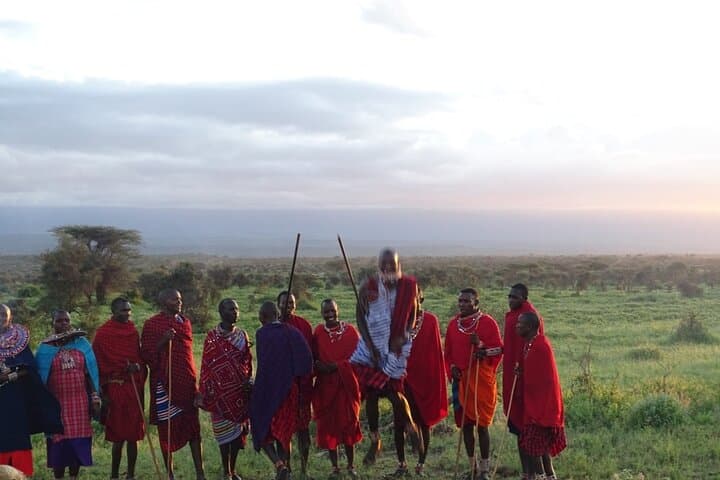
Amboseli is geography made public: a shallow basin once filled by a massive lake, now a patchwork of marsh, seasonal ponds, and dusty plains. Volcanic activity from the rift and centuries of erosion shaped the vantage points where herds gather. Human history here is braided with the Maasai—nomadic pastoralists whose seasonal rhythms and cattle-based economy have long defined land use. Visits to nearby cultural centers and optional stops at Olpopongi let travelers hear local voices and see spear-throwing and dance that remain living practice, not staged pageantry.
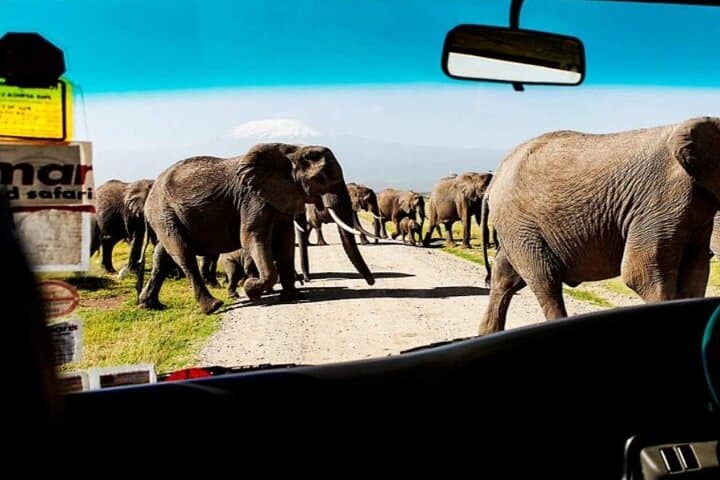
Wildlife is unapologetically accessible. Elephant families move like slow weather systems, giraffes browse with precise patience, and lions slip between tufts of grass. Game drives are choreographed around light—late afternoon drives peel back the heat; dawn drives reveal Kilimanjaro in jewel-like colors and wildlife at their most active. Lodges like Kibo Safari Camp are more than places to sleep: they’re staging grounds where guides read spoor, adjust routes for the best sightings, and time coffee to sunrise.
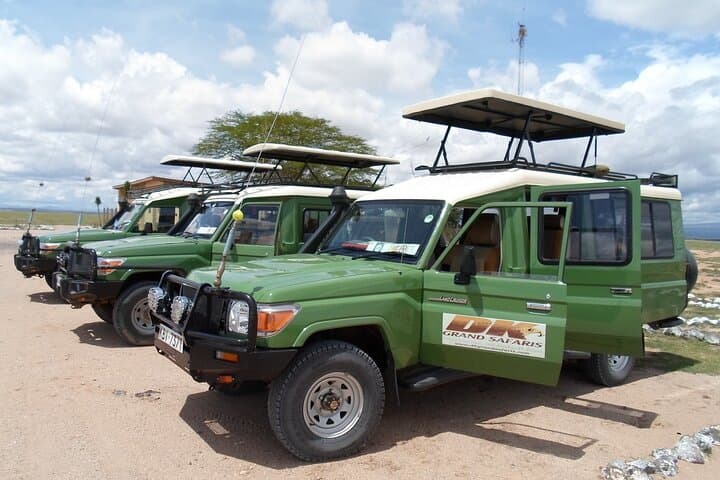
Practicalities matter here. The round-trip is roughly 215 km from Nairobi—plan on 3–4 hours each way depending on traffic and border visibility with Kilimanjaro looming to the south. Roads inside the park can be corrugated; expect a bumpy ride and pack motion-sick remedies if you’re prone. Bring layered clothing—mornings on the plains can be near-chilly while afternoons bake. Cash is useful for small purchases and optional cultural stops. The operator provides meals, transfers, and a private guide; tipping and park fees may be additional.
For photographers, the light at first and last hour is why you came: silhouette elephants framed by Kilimanjaro, mud flats reflecting a bruised sky, and the slow choreography of grazing animals. Respect distance rules—approaching too close stresses wildlife and risks your safety.
This overnight safari compresses East African plains into a compact, high-value experience: long drives and short bursts of extraordinary wildlife viewing, capped by a mountain that refuses to be ignored. Come prepared to sit quietly, move slowly with the van, and let the park shift into focus as the day unfolds.
easy.
2 days (approx 48 hours).
Suitable for most fitness levels; expect long periods sitting and short walks around camps and viewpoints.
Expect 3–4 hours each way (about 215 km) depending on traffic and road conditions.
Kilimanjaro is visible most mornings when skies are clear; visibility depends on weather and seasonal cloud cover.
The optional stop at Olpopongi Maasai village is not included by default—ask your driver if you want to add it during the return leg.
Meals and transfers are included; park entry fees and guide tips are commonly additional—confirm at booking.
The provider lists wheelchair accessibility, but access can vary on-site; notify the operator of specific needs before booking.
Dry months (June–October and January–February) concentrate animals around water and typically offer the best sightings.
Amboseli has long been Maasai grazing land; the park was established to protect wildlife and the fragile wetland system at the heart of the basin.
Conservation here balances tourism with pastoral livelihoods; support local guides and cultural centers that return revenue to Maasai communities.
Wellington Ecotours and Safaris operates guided outdoor trips and adventures with an emphasis on safety, stewardship, and memorable experiences.
You arrive before dawn, the road unspooling east toward a plain that opens like a held breath. The van hums over cracked tarmac and then dirt, acacia silhouettes growing larger against a sky that pale-shifts to gold. By midafternoon the sprawl of Amboseli lays out below the rim of the lodge—dust, salt flats, and herds moving slow as weather. When clouds part at first light the hulking bulk of Kilimanjaro appears across the border, its snow an improbable crown against the scrub.
You arrive before dawn, the road unspooling east toward a plain that opens like a held breath. The van hums over cracked tarmac and then dirt, acacia silhouettes growing larger against a sky that pale-shifts to gold. By midafternoon the sprawl of Amboseli lays out below the rim of the lodge—dust, salt flats, and herds moving slow as weather. When clouds part at first light the hulking bulk of Kilimanjaro appears across the border, its snow an improbable crown against the scrub.
Amboseli is geography made public: a shallow basin once filled by a massive lake, now a patchwork of marsh, seasonal ponds, and dusty plains. Volcanic activity from the rift and centuries of erosion shaped the vantage points where herds gather. Human history here is braided with the Maasai—nomadic pastoralists whose seasonal rhythms and cattle-based economy have long defined land use. Visits to nearby cultural centers and optional stops at Olpopongi let travelers hear local voices and see spear-throwing and dance that remain living practice, not staged pageantry.
Wildlife is unapologetically accessible. Elephant families move like slow weather systems, giraffes browse with precise patience, and lions slip between tufts of grass. Game drives are choreographed around light—late afternoon drives peel back the heat; dawn drives reveal Kilimanjaro in jewel-like colors and wildlife at their most active. Lodges like Kibo Safari Camp are more than places to sleep: they’re staging grounds where guides read spoor, adjust routes for the best sightings, and time coffee to sunrise.
Practicalities matter here. The round-trip is roughly 215 km from Nairobi—plan on 3–4 hours each way depending on traffic and border visibility with Kilimanjaro looming to the south. Roads inside the park can be corrugated; expect a bumpy ride and pack motion-sick remedies if you’re prone. Bring layered clothing—mornings on the plains can be near-chilly while afternoons bake. Cash is useful for small purchases and optional cultural stops. The operator provides meals, transfers, and a private guide; tipping and park fees may be additional.
For photographers, the light at first and last hour is why you came: silhouette elephants framed by Kilimanjaro, mud flats reflecting a bruised sky, and the slow choreography of grazing animals. Respect distance rules—approaching too close stresses wildlife and risks your safety.
This overnight safari compresses East African plains into a compact, high-value experience: long drives and short bursts of extraordinary wildlife viewing, capped by a mountain that refuses to be ignored. Come prepared to sit quietly, move slowly with the van, and let the park shift into focus as the day unfolds.