THE ADVENTURE COLLECTIVE® · Independent discovery and booking for outdoor travel

Cross the Rio Negro for a 48-hour Amazon experience: piranha fishing, guided jungle walks and nocturnal caiman spotting from a riverside lodge. Practical, immersive and guided by local experts, this trip blends wildlife viewing with cultural insights.
Cross the Rio Negro for a 48-hour Amazon experience: piranha fishing, guided jungle walks and nocturnal caiman spotting from a riverside lodge. Practical, immersive and guided by local experts, this trip blends wildlife viewing with cultural insights.
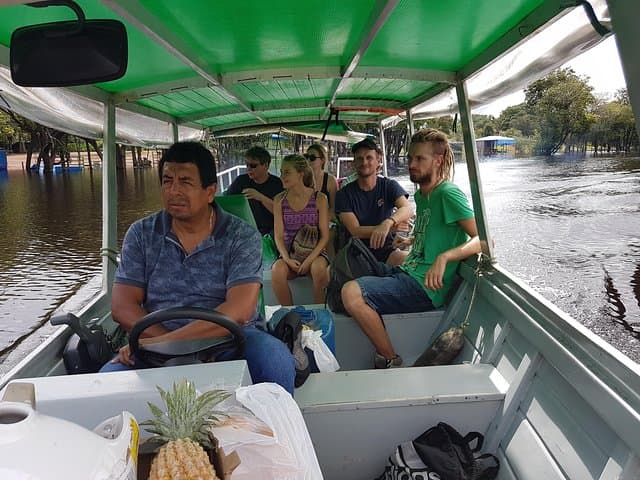
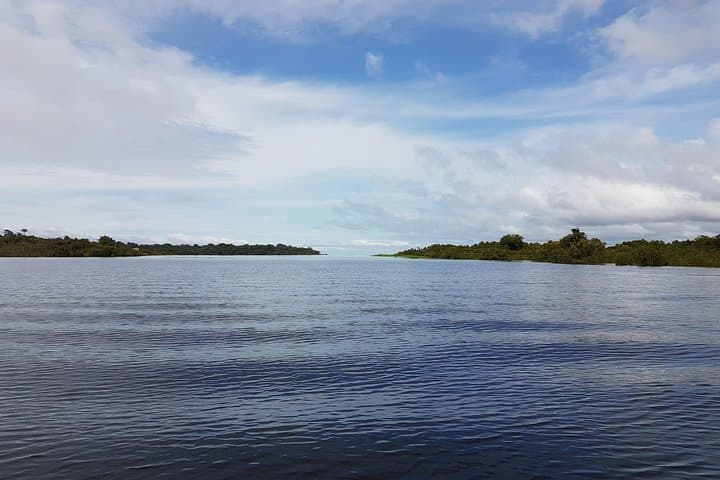
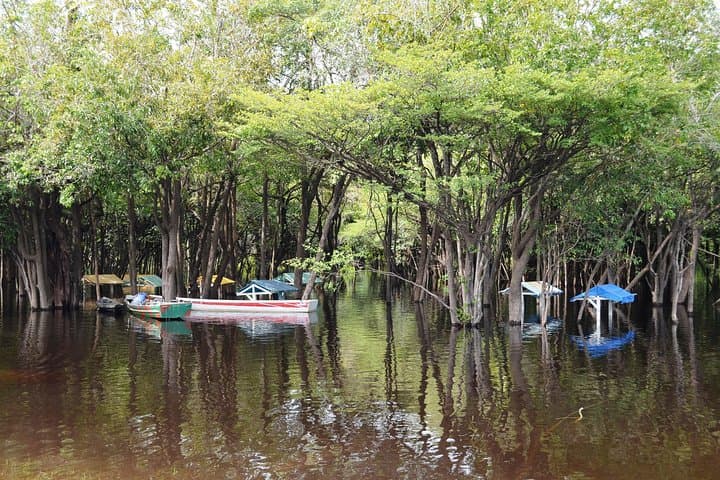
You step off the speedboat and the river exhales — a warm, humid breath carrying woodsmoke, wet leaves and the distant call of a howler monkey. From Manaus the ride crosses the black-brown Rio Negro, then narrows into creeks where motorized canoes thread between buttress roots and dangling vines. By noon you arrive at a simple lodge: room without air conditioning, meals on the porch, and a canopy of canopy of green that resists the sun.
Verified experiences and guided adventures in the surrounding area.
Operated by Amazing Tours Agency · Manaus, Amazonas
You step off the speedboat and the river exhales — a warm, humid breath carrying woodsmoke, wet leaves and the distant call of a howler monkey. From Manaus the ride crosses the black-brown Rio Negro, then narrows into creeks where motorized canoes thread between buttress roots and dangling vines. By noon you arrive at a simple lodge: room without air conditioning, meals on the porch, and a canopy of canopy of green that resists the sun.
The region around Manaus sits on ancient river terraces carved by the Amazon and Rio Negro; soils are low in nutrients, which makes the forest’s diversity all the more fragile. Local river communities such as Cacau Pirera and Paricatuba maintain fishing and craft traditions that predate rubber-boom Manaus, and bilingual guides often carry ethnobotanical knowledge passed down through generations.
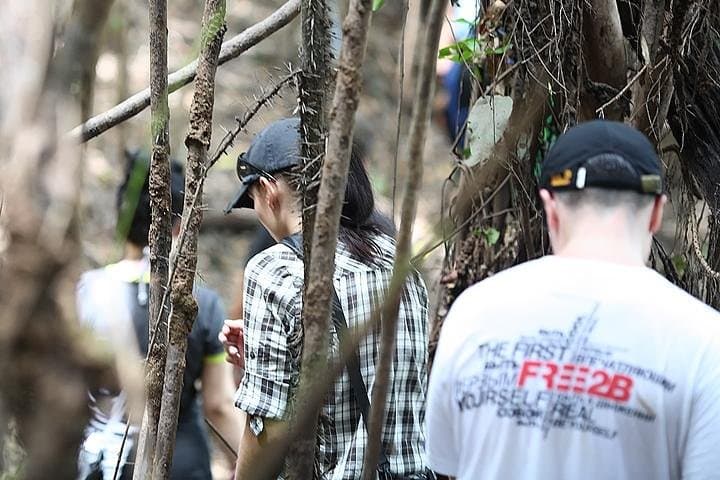
Expect cultural moments — visiting riverside villages, learning medicinal plant uses — and hands-on river life: piranha fishing, crepuscular alligator spotting, and a guided jungle walk focused on tree ID and plant remedies. Nighttime is purposeful: headlamps, quiet canoe rides and a guide who reads animal calls like a map.
Practical notes: travel time from Manaus is several hours by speedboat, car and canoe; rooms lack AC and mosquito protection is essential. Bring long sleeves and quick-dry clothing, a waterproof bag for electronics, and modest wilderness experience — the terrain is flat but humid and can be physically demanding. Follow guides’ instructions around wildlife, minimize single-use plastics, and plan to arrive with laundryable clothes: the forest will find a way to mark you.
moderate.
2 days (approx. 48 hours).
Suitable for travelers with moderate fitness — able to walk 2–3 hours in humid conditions and get in/out of small boats.
Pickup from Manaus hotels launches by speedboat, then a mix of car and motorized canoe; expect around 3–4 hours total travel depending on river conditions.
Rooms are basic and without air conditioning; expect simple jungle lodging with meals provided and communal facilities.
Children can join but must be accompanied by adults; the operator enforces safety rules for boat travel and night excursions.
Swimming is possible in calm, tea-colored channels where guides permit it, but avoid swimming at dusk and follow guide advice due to wildlife and currents.
The Manaus region grew rapidly during the 19th-century rubber boom; riverine communities have long histories of fishing, cassava cultivation and craft making tied to the Rio Negro.
The Amazon’s ecosystems are fragile; stick to trails, avoid single-use plastics, and support guides who practice low-impact tourism to help protect riverine habitats.
Amazing Tours Agency operates guided outdoor trips and adventures with an emphasis on safety, stewardship, and memorable experiences.
You step off the speedboat and the river exhales — a warm, humid breath carrying woodsmoke, wet leaves and the distant call of a howler monkey. From Manaus the ride crosses the black-brown Rio Negro, then narrows into creeks where motorized canoes thread between buttress roots and dangling vines. By noon you arrive at a simple lodge: room without air conditioning, meals on the porch, and a canopy of canopy of green that resists the sun.
You step off the speedboat and the river exhales — a warm, humid breath carrying woodsmoke, wet leaves and the distant call of a howler monkey. From Manaus the ride crosses the black-brown Rio Negro, then narrows into creeks where motorized canoes thread between buttress roots and dangling vines. By noon you arrive at a simple lodge: room without air conditioning, meals on the porch, and a canopy of canopy of green that resists the sun.
The region around Manaus sits on ancient river terraces carved by the Amazon and Rio Negro; soils are low in nutrients, which makes the forest’s diversity all the more fragile. Local river communities such as Cacau Pirera and Paricatuba maintain fishing and craft traditions that predate rubber-boom Manaus, and bilingual guides often carry ethnobotanical knowledge passed down through generations.
Expect cultural moments — visiting riverside villages, learning medicinal plant uses — and hands-on river life: piranha fishing, crepuscular alligator spotting, and a guided jungle walk focused on tree ID and plant remedies. Nighttime is purposeful: headlamps, quiet canoe rides and a guide who reads animal calls like a map.
Practical notes: travel time from Manaus is several hours by speedboat, car and canoe; rooms lack AC and mosquito protection is essential. Bring long sleeves and quick-dry clothing, a waterproof bag for electronics, and modest wilderness experience — the terrain is flat but humid and can be physically demanding. Follow guides’ instructions around wildlife, minimize single-use plastics, and plan to arrive with laundryable clothes: the forest will find a way to mark you.