THE ADVENTURE COLLECTIVE® · Independent discovery and booking for outdoor travel

Fly from Chennai for an efficient overnight in Agra that pairs guided visits to the Taj Mahal, Agra Fort and local bazaars with private transfers and a 4-star hotel stay. Ideal for travelers short on time who still want a full cultural snapshot.
Fly from Chennai for an efficient overnight in Agra that pairs guided visits to the Taj Mahal, Agra Fort and local bazaars with private transfers and a 4-star hotel stay. Ideal for travelers short on time who still want a full cultural snapshot.
You step out of the car at dawn and the Yamuna dares the city to keep its secrets. The white silhouette of the Taj Mahal softens as first light slides across marble; guides lower their voices and the place exhales history.
Verified experiences and guided adventures in the surrounding area.
Operated by Kohinoor Holidays · Agra, Uttar Pradesh
You step out of the car at dawn and the Yamuna dares the city to keep its secrets. The white silhouette of the Taj Mahal softens as first light slides across marble; guides lower their voices and the place exhales history.
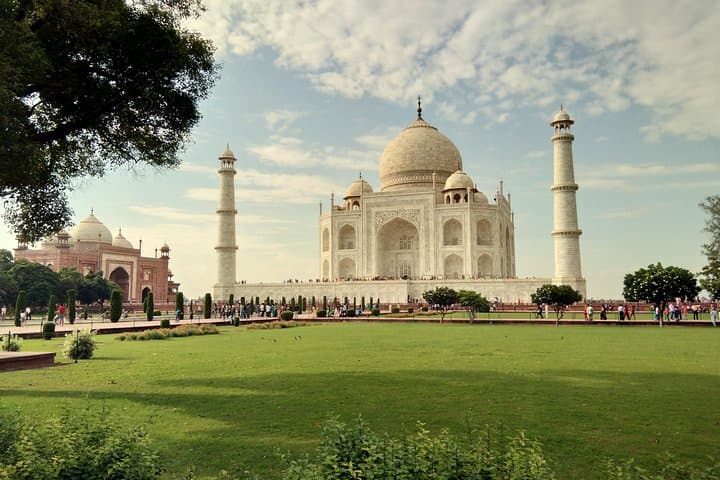
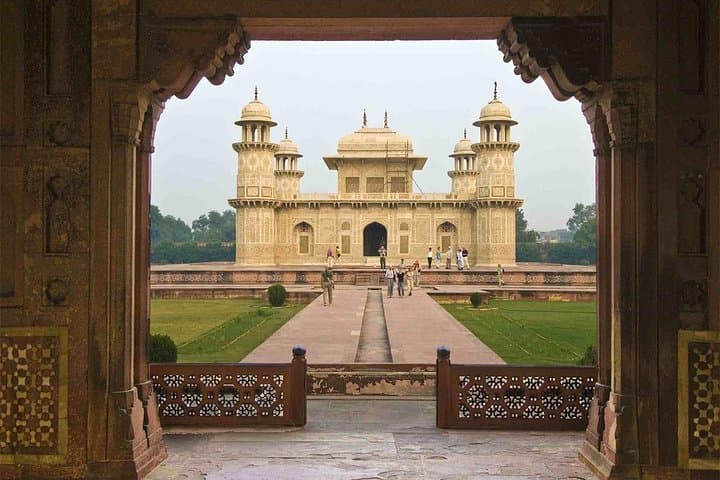
This compact overnight tour moves fast: an early flight from Chennai, a private car on the Yamuna Expressway and a local guide who threads Mughal history into each monument visit. The Taj Mahal, built by Shah Jahan in the 17th century for Mumtaz Mahal, is the centerpiece; Agra Fort and the smaller “Baby Taj” (Itimad-ud-Daulah) show architectural evolution from red sandstone to ornate pietra dura. Geology here is literal—riverine alluvium from the Yamuna underlies the city and has historically shaped site placement and preservation challenges.
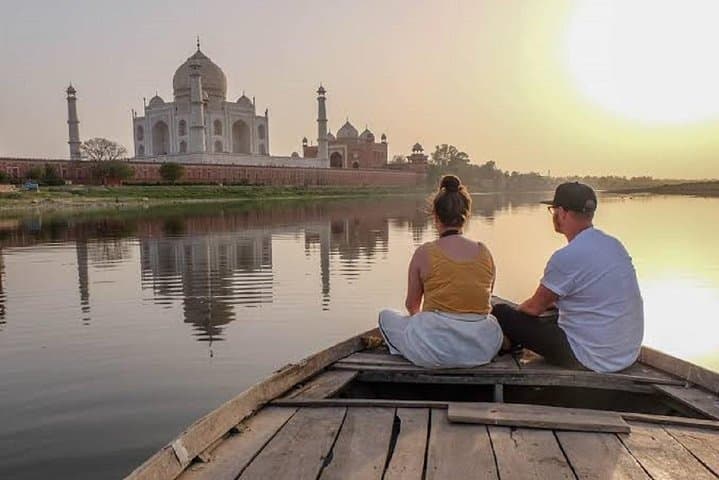
Culture is hands-on: crowded bazaars selling petha sweets and marble inlay, and evening light at Mehtab Bagh across the river. Local guides often point out subtle details—calligraphy measurements, mosque-symmetry and the old caravan routes that made Agra a Mughal hub.
Practical guidance: expect about 48 hours of travel with significant walking on paved and uneven surfaces; bring sun protection, modest clothing for religious sites, and a valid passport for flights. Plan for security queues and light restrictions at monuments (no large bags or tripods without permits). Hydrate on the drive, leave room for local sweets and bargaining in markets, and schedule visits around sunrise or late afternoon light for the best photos and cooler walking conditions.
easy.
Approx. 48 hours (overnight).
Light–moderate: you should be comfortable walking 1–3 miles total on paved and uneven surfaces across two days.
Yes — domestic flights require a valid government ID or passport as specified during booking; carry the same ID used when booking.
The itinerary indicates monument entry fees are included, but confirm with the operator for any optional upgrades or photography permits.
Expect moderate walking: paved paths, steps and uneven surfaces at monuments—plan for 2–3 miles of walking across the two days.
Yes — the schedule may be adjusted to match flight arrival/departure times; operators typically confirm final timings before travel.
Agra rose to prominence as a Mughal capital in the 16th–17th centuries; the Taj Mahal (completed c.1653) is Shah Jahan’s famous marble mausoleum.
Taj and surrounding sites are UNESCO-protected; visitor numbers, air pollution and Yamuna water quality remain ongoing conservation concerns—follow site rules and avoid littering.
Kohinoor Holidays operates guided outdoor trips and adventures with an emphasis on safety, stewardship, and memorable experiences.
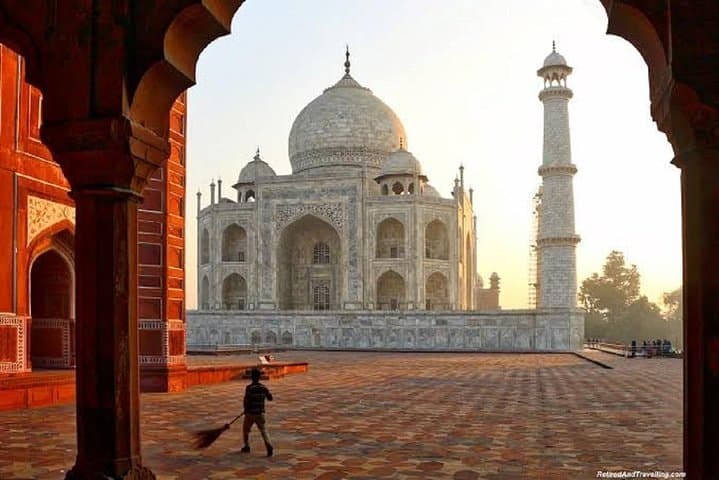
You step out of the car at dawn and the Yamuna dares the city to keep its secrets. The white silhouette of the Taj Mahal softens as first light slides across marble; guides lower their voices and the place exhales history.
You step out of the car at dawn and the Yamuna dares the city to keep its secrets. The white silhouette of the Taj Mahal softens as first light slides across marble; guides lower their voices and the place exhales history.
This compact overnight tour moves fast: an early flight from Chennai, a private car on the Yamuna Expressway and a local guide who threads Mughal history into each monument visit. The Taj Mahal, built by Shah Jahan in the 17th century for Mumtaz Mahal, is the centerpiece; Agra Fort and the smaller “Baby Taj” (Itimad-ud-Daulah) show architectural evolution from red sandstone to ornate pietra dura. Geology here is literal—riverine alluvium from the Yamuna underlies the city and has historically shaped site placement and preservation challenges.
Culture is hands-on: crowded bazaars selling petha sweets and marble inlay, and evening light at Mehtab Bagh across the river. Local guides often point out subtle details—calligraphy measurements, mosque-symmetry and the old caravan routes that made Agra a Mughal hub.
Practical guidance: expect about 48 hours of travel with significant walking on paved and uneven surfaces; bring sun protection, modest clothing for religious sites, and a valid passport for flights. Plan for security queues and light restrictions at monuments (no large bags or tripods without permits). Hydrate on the drive, leave room for local sweets and bargaining in markets, and schedule visits around sunrise or late afternoon light for the best photos and cooler walking conditions.