THE ADVENTURE COLLECTIVE® · Independent discovery and booking for outdoor travel

A compact overnight itinerary that pairs a sunrise visit to the Taj Mahal with temple aarti and markets in Mathura and Vrindavan. Expect guided monument walks, a comfortable drive on the Yamuna Expressway and an immersion in Mughal architecture and Braj devotional culture.
A compact overnight itinerary that pairs a sunrise visit to the Taj Mahal with temple aarti and markets in Mathura and Vrindavan. Expect guided monument walks, a comfortable drive on the Yamuna Expressway and an immersion in Mughal architecture and Braj devotional culture.
Before dawn the Yamuna Expressway stretches flat and glassy, headlights cutting a clean path toward Agra. By sunrise the Taj Mahal glows like a living mirror; marble edges catch the light while the river on the far bank dares you to see the mausoleum from every angle. The next day, the temple bells and kirtan in Mathura and Vrindavan pull the city into a steady, human rhythm — priests chanting, markets unfurling colorful stalls of brass and marble.
Verified experiences and guided adventures in the surrounding area.
Operated by Padma Holidays · Agra, Uttar Pradesh
Before dawn the Yamuna Expressway stretches flat and glassy, headlights cutting a clean path toward Agra. By sunrise the Taj Mahal glows like a living mirror; marble edges catch the light while the river on the far bank dares you to see the mausoleum from every angle. The next day, the temple bells and kirtan in Mathura and Vrindavan pull the city into a steady, human rhythm — priests chanting, markets unfurling colorful stalls of brass and marble.
This two-day loop links Mughal-era monuments and Braj cultural centers. The Taj (17th century, Shah Jahan) and Agra Fort (Akbar-era, 16th century) show the evolution of red sandstone and white marble masonry, optical illusions built into arches and chambers. Mathura, an ancient city, is layered with temples, rituals and markets specializing in sweetmeats and devotional paraphernalia. Geology here is flat alluvial plain; views are horizontal lines—rivers, fields, avenues—rather than peaks.
Practical guide: the itinerary covers roughly 3.5 hours of driving from Delhi each way and includes guided walks at key sites (expect 1–3 hours at major monuments). The Taj is closed on Fridays; arrive early for cooler temperatures and thinner crowds. Dress modestly for temple visits and remove shoes where required. Bring a reusable water bottle, sunscreen and cash for small market purchases. If you’re staying overnight, choose a hotel near the Taj for fast sunrise access. Mind local conservation rules—no plastic inside monument precincts—and follow your guide’s instructions for queueing and photography.
This tour pairs high-impact sightseeing with cultural immersion: efficient logistics let you focus on the architecture, rituals and markets that make Agra and Braj uniquely compelling.
easy.
48 hours.
Light fitness—short to moderate walking with stairs at monuments; suitable for most people who can walk 1–3 miles across uneven pavements.
No—Taj Mahal is closed on Fridays. Schedule visits on other days and aim for early morning or late afternoon light.
Options include a 1-night 4-star hotel and monument entry in the tour package; verify your booking choice to confirm inclusions.
Yes—itinerary includes visits to local markets and marble/handicraft shops; allow extra time if you plan to browse extensively.
Carry a passport or government ID as guides or security staff may request it for entry and checkpoints.
Agra’s core monuments date to the Mughal era (16th–17th centuries); Mathura is an ancient sacred city associated with Krishna worship for millennia.
Authorities limit vehicular access and plastic inside monument zones and promote battery-operated shuttles; avoid feeding wildlife and pack out waste.
Padma Holidays operates guided outdoor trips and adventures with an emphasis on safety, stewardship, and memorable experiences.
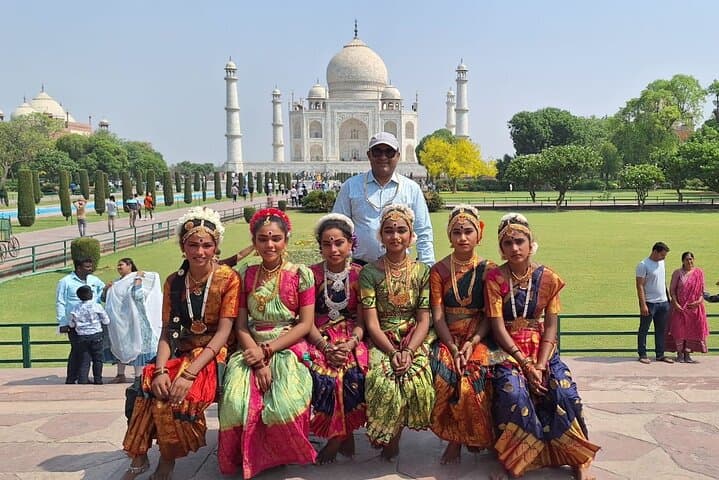
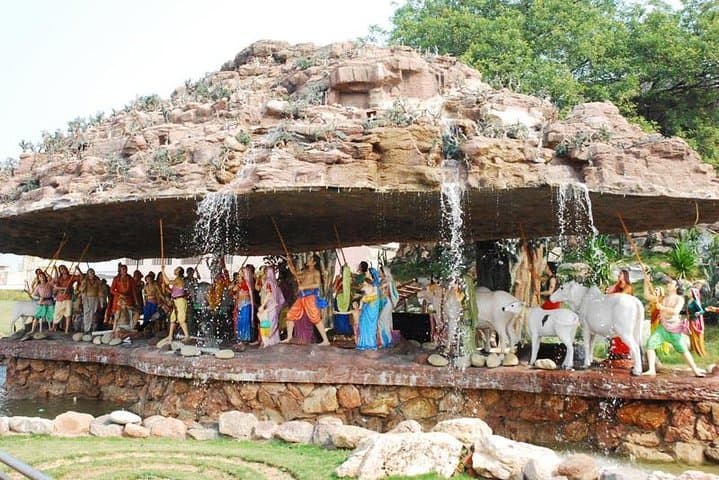
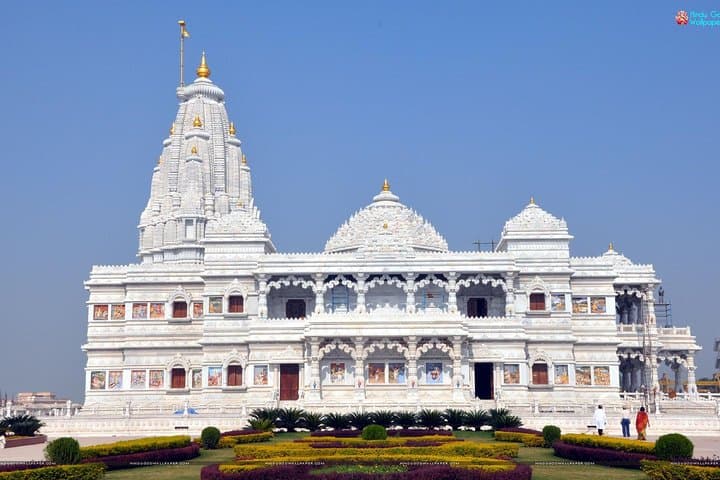
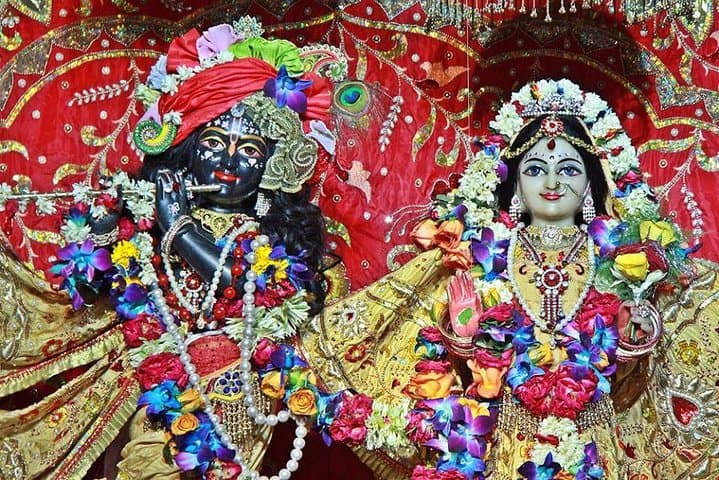
Before dawn the Yamuna Expressway stretches flat and glassy, headlights cutting a clean path toward Agra. By sunrise the Taj Mahal glows like a living mirror; marble edges catch the light while the river on the far bank dares you to see the mausoleum from every angle. The next day, the temple bells and kirtan in Mathura and Vrindavan pull the city into a steady, human rhythm — priests chanting, markets unfurling colorful stalls of brass and marble.
Before dawn the Yamuna Expressway stretches flat and glassy, headlights cutting a clean path toward Agra. By sunrise the Taj Mahal glows like a living mirror; marble edges catch the light while the river on the far bank dares you to see the mausoleum from every angle. The next day, the temple bells and kirtan in Mathura and Vrindavan pull the city into a steady, human rhythm — priests chanting, markets unfurling colorful stalls of brass and marble.
This two-day loop links Mughal-era monuments and Braj cultural centers. The Taj (17th century, Shah Jahan) and Agra Fort (Akbar-era, 16th century) show the evolution of red sandstone and white marble masonry, optical illusions built into arches and chambers. Mathura, an ancient city, is layered with temples, rituals and markets specializing in sweetmeats and devotional paraphernalia. Geology here is flat alluvial plain; views are horizontal lines—rivers, fields, avenues—rather than peaks.
Practical guide: the itinerary covers roughly 3.5 hours of driving from Delhi each way and includes guided walks at key sites (expect 1–3 hours at major monuments). The Taj is closed on Fridays; arrive early for cooler temperatures and thinner crowds. Dress modestly for temple visits and remove shoes where required. Bring a reusable water bottle, sunscreen and cash for small market purchases. If you’re staying overnight, choose a hotel near the Taj for fast sunrise access. Mind local conservation rules—no plastic inside monument precincts—and follow your guide’s instructions for queueing and photography.
This tour pairs high-impact sightseeing with cultural immersion: efficient logistics let you focus on the architecture, rituals and markets that make Agra and Braj uniquely compelling.