THE ADVENTURE COLLECTIVE® · Independent discovery and booking for outdoor travel

Two days of high-water drama and wind-sculpted stone: hike viewpoints around Calandula Falls, glide the Lukala River, then explore the Pungo Ndongo black rocks. This overnight tour pairs geology, culture, and active travel across Malanje Province.
Two days of high-water drama and wind-sculpted stone: hike viewpoints around Calandula Falls, glide the Lukala River, then explore the Pungo Ndongo black rocks. This overnight tour pairs geology, culture, and active travel across Malanje Province.
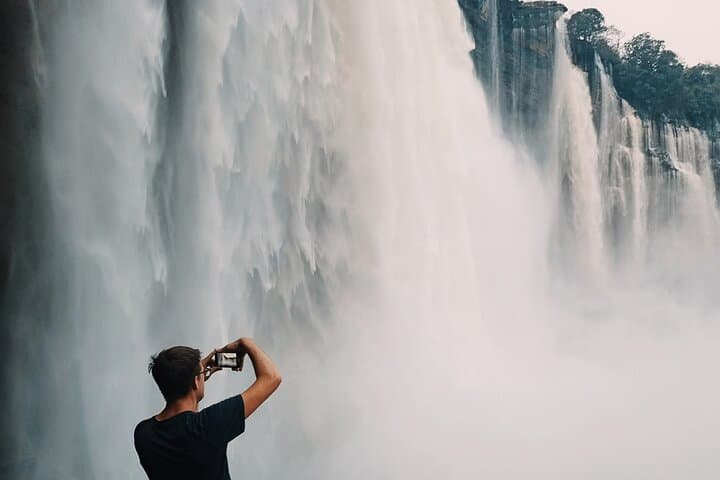
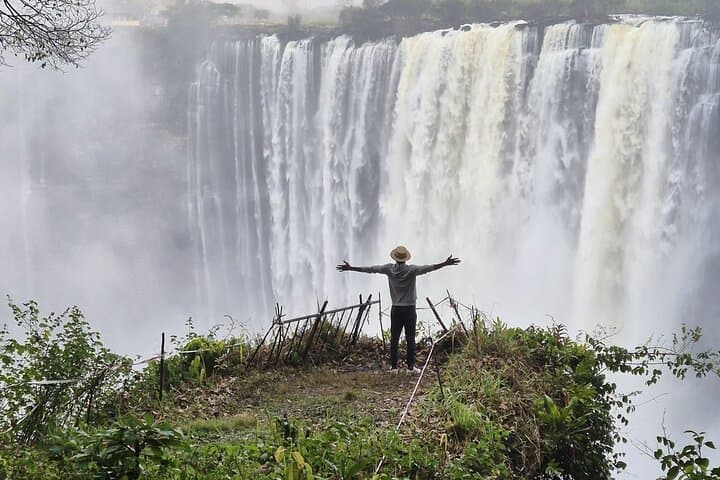
You arrive at first light to the thunder of water — Calandula Falls throwing sheets of spray into a green bowl while Lukala River threads downstream, inviting you to follow. The first day moves between short, steep viewpoints and a calm boat glide on the Lukala; the second day trades the rush of water for the slow, wind-carved geometry of the Pungo Ndongo black stones.
Verified experiences and guided adventures in the surrounding area.
Operated by Luzaya · Calandula, Malanje Province
You arrive at first light to the thunder of water — Calandula Falls throwing sheets of spray into a green bowl while Lukala River threads downstream, inviting you to follow. The first day moves between short, steep viewpoints and a calm boat glide on the Lukala; the second day trades the rush of water for the slow, wind-carved geometry of the Pungo Ndongo black stones.
Calandula (Kalandula) Falls is one of Angola’s most dramatic cataracts, cut by volcanic layers and laterite terraces that reveal the region’s geological past. Pungo Ndongo’s dark, dome-like monoliths are weathered basalt and sandstone, culturally significant in local Mbundu traditions and historically visible from colonial-era travelogues.
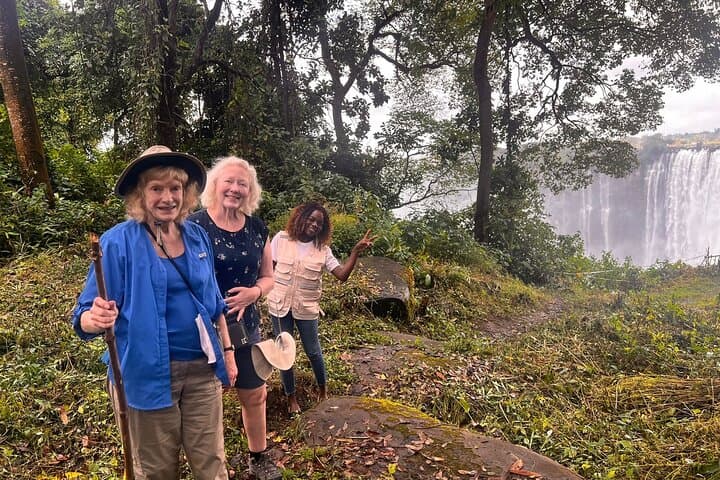
The itinerary mixes easy viewpoint walks with steeper scrambles among the black rocks; expect uneven paths, loose stone, and short exposed sections rather than technical climbing. Local villages along the route offer a window into rural life — small markets, Portuguese-era hotel stops, and guides who translate landscape stories and practical customs.
Practical guidance: plan for two full days, bring sturdy boots with ankle support, and carry 2–3 liters of water per day. Start viewpoints in the morning for softer light and cooler temperatures; wear a light rain shell — spray from the falls and tropical storms can arrive suddenly. Respect private agricultural land and follow your guide’s route; mobile signal is intermittent, and medical facilities are in larger towns only. This trip rewards hikers who want geological spectacle, river calm, and direct contact with local culture — a compact, active overnight that pairs big-water drama with sculpted stone solitude.
challenging.
2 days (approx. 48 hours).
Requires a high level of fitness: sustained walking, short steep scrambles, and steady balance on uneven terrain.
This is an overnight, multi-day tour (roughly 48 hours); accommodations are hotel-based (Portugalia Hotel or similar) rather than camping.
Dry season (May–October) offers easier trails and clearer viewpoints; the wet season brings higher flows and more spray but also heavier rain and muddy tracks.
No; the itinerary includes uneven ground, short steep sections, and rocky scrambles—it's not recommended for travelers with spinal, heart, or significant mobility issues.
Boat rides and viewpoints listed in the itinerary are included as described, and local admissions are generally covered—confirm details at booking and ask about any optional extras.
The falls and surrounding lands have long been part of Mbundu cultural territory and later featured in Portuguese colonial maps; nearby villages retain Lusophone influences in language and architecture.
Visitors should avoid leaving litter and stick to marked trails; using local guides supports community-led conservation and provides sustainable income for the region.
Luzaya operates guided outdoor trips and adventures with an emphasis on safety, stewardship, and memorable experiences.
You arrive at first light to the thunder of water — Calandula Falls throwing sheets of spray into a green bowl while Lukala River threads downstream, inviting you to follow. The first day moves between short, steep viewpoints and a calm boat glide on the Lukala; the second day trades the rush of water for the slow, wind-carved geometry of the Pungo Ndongo black stones.
You arrive at first light to the thunder of water — Calandula Falls throwing sheets of spray into a green bowl while Lukala River threads downstream, inviting you to follow. The first day moves between short, steep viewpoints and a calm boat glide on the Lukala; the second day trades the rush of water for the slow, wind-carved geometry of the Pungo Ndongo black stones.
Calandula (Kalandula) Falls is one of Angola’s most dramatic cataracts, cut by volcanic layers and laterite terraces that reveal the region’s geological past. Pungo Ndongo’s dark, dome-like monoliths are weathered basalt and sandstone, culturally significant in local Mbundu traditions and historically visible from colonial-era travelogues.
The itinerary mixes easy viewpoint walks with steeper scrambles among the black rocks; expect uneven paths, loose stone, and short exposed sections rather than technical climbing. Local villages along the route offer a window into rural life — small markets, Portuguese-era hotel stops, and guides who translate landscape stories and practical customs.
Practical guidance: plan for two full days, bring sturdy boots with ankle support, and carry 2–3 liters of water per day. Start viewpoints in the morning for softer light and cooler temperatures; wear a light rain shell — spray from the falls and tropical storms can arrive suddenly. Respect private agricultural land and follow your guide’s route; mobile signal is intermittent, and medical facilities are in larger towns only. This trip rewards hikers who want geological spectacle, river calm, and direct contact with local culture — a compact, active overnight that pairs big-water drama with sculpted stone solitude.