THE ADVENTURE COLLECTIVE® · Independent discovery and booking for outdoor travel

A two-day guided trek from Antigua that climbs Acatenango for an overnight ridge camp and pre-dawn summit push with dramatic views of neighboring Volcán de Fuego. Expect steep, high-altitude hiking, cold nights, and close volcanic spectacle.
A two-day guided trek from Antigua that climbs Acatenango for an overnight ridge camp and pre-dawn summit push with dramatic views of neighboring Volcán de Fuego. Expect steep, high-altitude hiking, cold nights, and close volcanic spectacle.
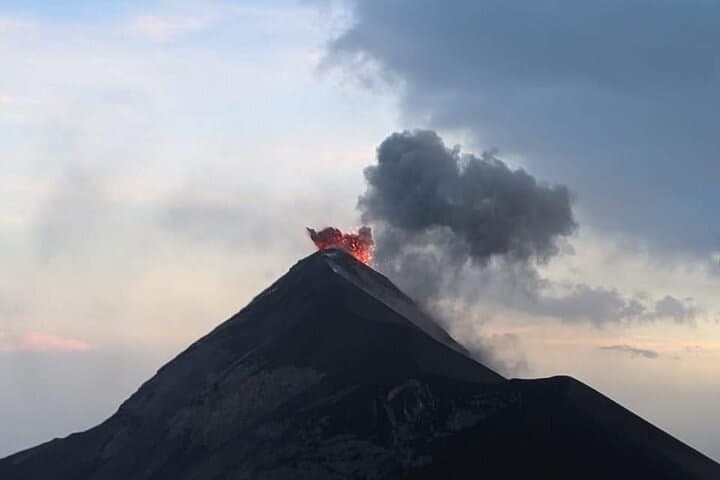
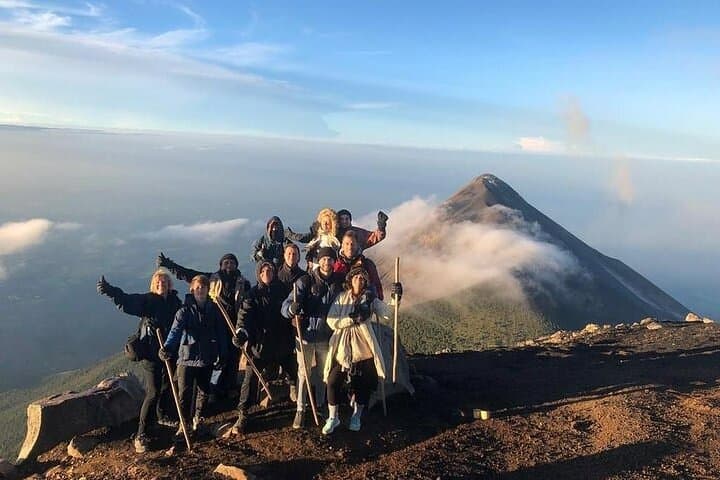
Dawn in the highlands breaks cold and clean. Hikers spill from an air-conditioned van near Antigua and climb into the scrub and pine that fingers up Acatenango’s lower slopes; by night the camp sits on a ridge with Volcán de Fuego breathing incandescent sparks across the valley. The trek feels immediate — a steady climb, the wind pressing against your layers, and a skyline that redraws Antigua’s colonial silhouette into raw geology.
Verified experiences and guided adventures in the surrounding area.
Operated by Colonial Travel Agency · Antigua Guatemala, Sacatepéquez
Dawn in the highlands breaks cold and clean. Hikers spill from an air-conditioned van near Antigua and climb into the scrub and pine that fingers up Acatenango’s lower slopes; by night the camp sits on a ridge with Volcán de Fuego breathing incandescent sparks across the valley. The trek feels immediate — a steady climb, the wind pressing against your layers, and a skyline that redraws Antigua’s colonial silhouette into raw geology.
Acatenango is part of a paired volcanic complex with Fuego, the active neighbor whose nightly eruptions have shaped routes, viewpoints, and local lore. The massif rises to about 3,976 m; most 2-day itineraries start near 1,700–2,000 m and gain roughly 1,300–1,500 m over 7–8 km of trail. Trail surfaces vary from packed dirt and volcanic scree to exposed ridgelines. Indigenous and colonial histories converge in the valleys below — coffee fincas and small villages still tethered to traditional rhythms — and local guides run the camps, providing gear and meals.
Practically, expect a 4–6 hour uphill on day one to camp (about 3,300–3,600 m), an overnight that can drop near freezing, then a 1.5–3 hour pre-dawn push for sunrise and close views of Fuego. Bring a warm sleeping bag (they often supply one but check), layered clothing, sturdy boots, water (2–3 L), trekking poles, and a headlamp. Altitude and steep, loose sections make fitness and acclimatization important; hire a reputable guide, respect campsite rules, pack out trash, and plan for weather shifts — clear sunrise views are reward, not guarantee.
challenging.
18–24 hours.
Good cardiovascular fitness and lower-body endurance; prior multi-hour hikes at elevation recommended
Participants should be in good aerobic shape and comfortable hiking 4–6 hours with significant elevation gain; prior multi-hour hikes are a strong advantage.
Most operators provide basic camping gear and a sleeping bag, plus three meals; confirm specific inclusions with your provider before booking.
Weather and physical condition determine access; many groups reach a high viewpoint or crater rim, while others stay at a nearby ridge for safety and better views of Fuego.
Yes — the rapid gain to 3,300–3,600 m can cause symptoms; hydrate, ascend slowly, and inform guides of any issues immediately.
Acatenango and its neighbor Fuego form a volcanic complex long embedded in local agricultural life; nearby Antigua was a colonial center whose history is visible in surrounding fincas and villages.
Stick to established trails and campsites, avoid collecting firewood, and use local guides who support community economies; volcanic soils are sensitive and overuse accelerates erosion.
Colonial Travel Agency operates guided outdoor trips and adventures with an emphasis on safety, stewardship, and memorable experiences.
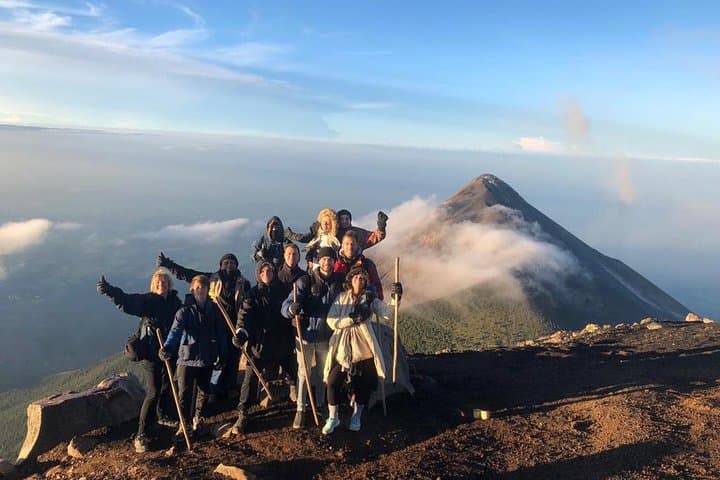
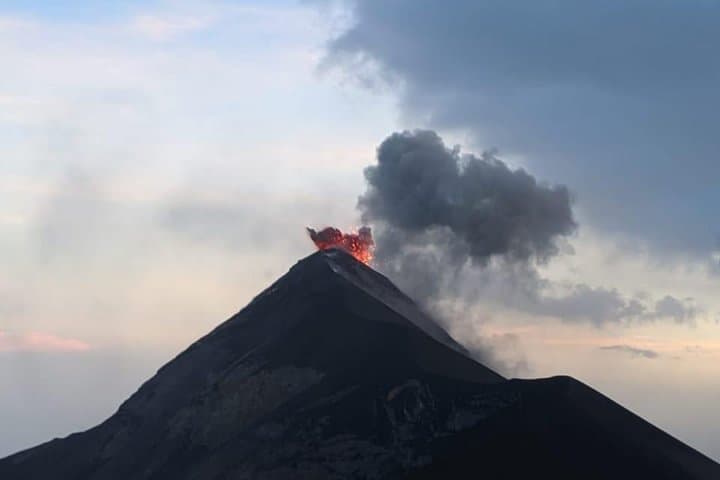
Dawn in the highlands breaks cold and clean. Hikers spill from an air-conditioned van near Antigua and climb into the scrub and pine that fingers up Acatenango’s lower slopes; by night the camp sits on a ridge with Volcán de Fuego breathing incandescent sparks across the valley. The trek feels immediate — a steady climb, the wind pressing against your layers, and a skyline that redraws Antigua’s colonial silhouette into raw geology.
Dawn in the highlands breaks cold and clean. Hikers spill from an air-conditioned van near Antigua and climb into the scrub and pine that fingers up Acatenango’s lower slopes; by night the camp sits on a ridge with Volcán de Fuego breathing incandescent sparks across the valley. The trek feels immediate — a steady climb, the wind pressing against your layers, and a skyline that redraws Antigua’s colonial silhouette into raw geology.
Acatenango is part of a paired volcanic complex with Fuego, the active neighbor whose nightly eruptions have shaped routes, viewpoints, and local lore. The massif rises to about 3,976 m; most 2-day itineraries start near 1,700–2,000 m and gain roughly 1,300–1,500 m over 7–8 km of trail. Trail surfaces vary from packed dirt and volcanic scree to exposed ridgelines. Indigenous and colonial histories converge in the valleys below — coffee fincas and small villages still tethered to traditional rhythms — and local guides run the camps, providing gear and meals.
Practically, expect a 4–6 hour uphill on day one to camp (about 3,300–3,600 m), an overnight that can drop near freezing, then a 1.5–3 hour pre-dawn push for sunrise and close views of Fuego. Bring a warm sleeping bag (they often supply one but check), layered clothing, sturdy boots, water (2–3 L), trekking poles, and a headlamp. Altitude and steep, loose sections make fitness and acclimatization important; hire a reputable guide, respect campsite rules, pack out trash, and plan for weather shifts — clear sunrise views are reward, not guarantee.