THE ADVENTURE COLLECTIVE® · Independent discovery and booking for outdoor travel

Spend a night on Acatenango and watch Volcán de Fuego erupt under a canopy of stars. This two-day hike combines steep volcanic climbs, high-altitude camping, and dramatic summit views—ideal for fit hikers prepared for cold and altitude.
Spend a night on Acatenango and watch Volcán de Fuego erupt under a canopy of stars. This two-day hike combines steep volcanic climbs, high-altitude camping, and dramatic summit views—ideal for fit hikers prepared for cold and altitude.
You crest a final ridge as the late afternoon light thins and the wind begins to sharpen; below, Fuego inhales and then spits glowing shards into a darkening sky. The campsite sits on a bare saddle where the earth smells of ash and wild grass, and guides pitch tents with practiced hands while the group moves slowly to rewarm cold feet.
Verified experiences and guided adventures in the surrounding area.
Operated by MB Guatemaya Travel · Antigua Guatemala, Sacatepéquez
You crest a final ridge as the late afternoon light thins and the wind begins to sharpen; below, Fuego inhales and then spits glowing shards into a darkening sky. The campsite sits on a bare saddle where the earth smells of ash and wild grass, and guides pitch tents with practiced hands while the group moves slowly to rewarm cold feet.
Acatenango (about 3,976 m / 13,045 ft) is the older sibling to the perpetually active Volcán de Fuego. Its bulk is built from layers of andesitic lava and tephra; each summit view is a cross-section of the highland’s volcanic history. The approach from La Soledad follows volcanic trails and volcanic scree, crossing agricultural slopes that reflect local Maya-Ladino farming traditions—coffee and subsistence plots that have shaped the mountain’s human story.
Expect a demanding two-day itinerary: roughly 3–5 hours uphill on day one depending on pace, an overnight camp at high elevation, and a shorter descent the next morning. The night often rewards patience with dramatic views of Fuego’s incandescent bursts; the wind and altitude will be constant companions, nudging you to layer up.
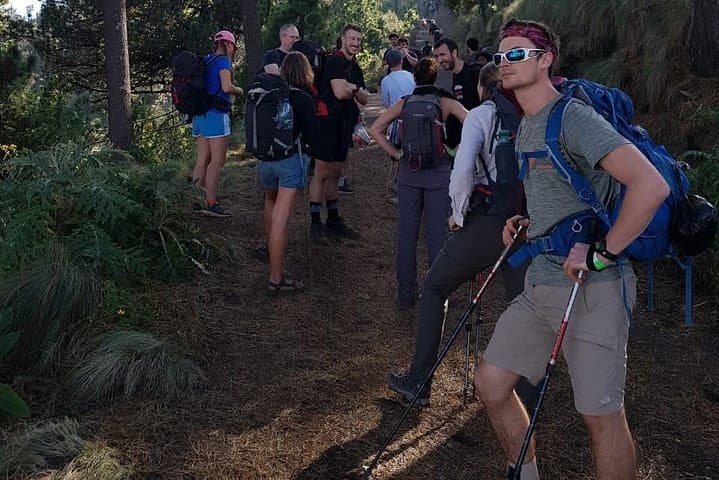
Practical guidance: allow time to acclimatize in Antigua before departure, carry at least 2–3 liters of water and electrolytes, and choose sturdy, ankle-supporting boots for steep, rocky sections. Weather can switch from sun to sleet in hours—pack an insulated layer and a reliable headlamp. Guides supply sleeping gear and three meals, but personal layered clothing, trekking poles, and a good attitude toward steep climbs make the experience safer and more enjoyable.
challenging.
2 days.
Good cardiovascular fitness and experience with sustained uphill hiking; be prepared for steep, rocky terrain and high altitude.
The route is steep and high-altitude; expect 3–5 hours uphill to camp and a shorter descent. It’s challenging for those without hiking experience or poor cardiovascular fitness.
Guides typically provide a sleeping bag, sleeping pad, basic tent/shelter, three meals, and some cold-weather accessories like a jacket, hat, and gloves—verify specifics before departure.
Yes—Acatenango’s summit is nearly 4,000 m. Symptoms can include headache, nausea, and shortness of breath; pacing, hydration, and prior acclimatization reduce risk.
Fit beginners with recent uphill hiking experience can do the trek, but those with heart or spine conditions, pregnancy, or severe mobility limits should not; consider guided acclimatization hikes first.
Acatenango and neighboring Fuego are part of a volcanic complex that has shaped the Central Highlands’ landscapes and agriculture for centuries; local communities have long adapted farming practices around volcanic soils.
High-elevation trails are fragile—stick to established paths, pack out all trash, and avoid disturbing vegetation and wildlife to protect the mountain’s sensitive ecosystems.
MB Guatemaya Travel operates guided outdoor trips and adventures with an emphasis on safety, stewardship, and memorable experiences.
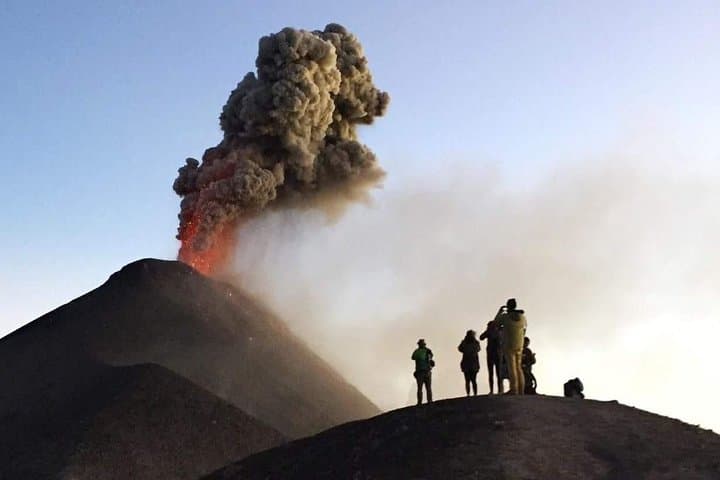
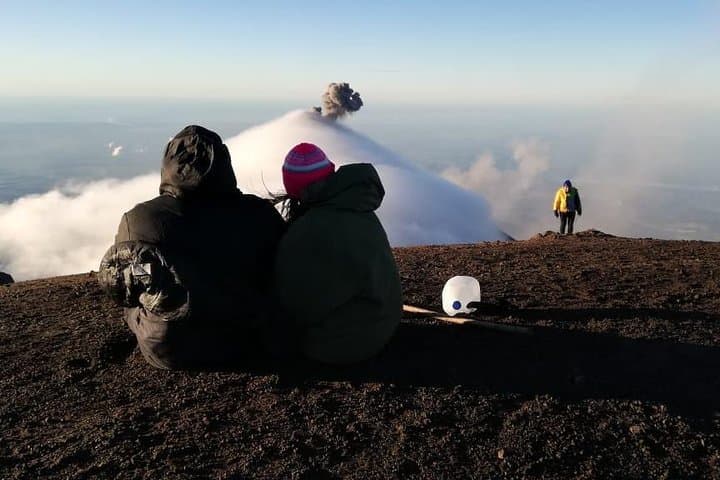
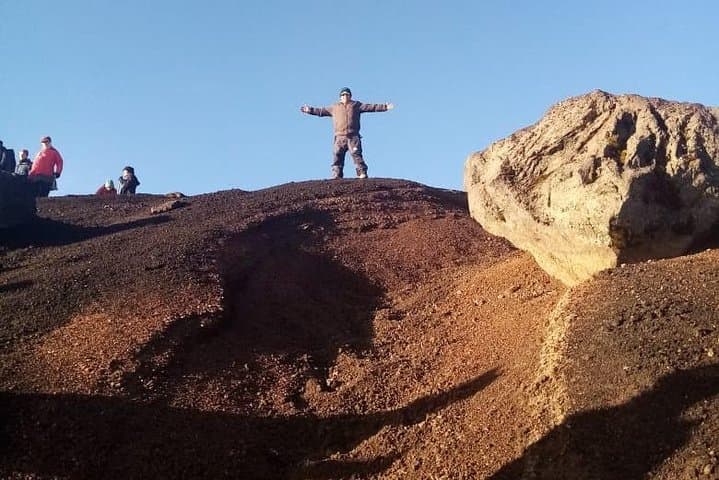
You crest a final ridge as the late afternoon light thins and the wind begins to sharpen; below, Fuego inhales and then spits glowing shards into a darkening sky. The campsite sits on a bare saddle where the earth smells of ash and wild grass, and guides pitch tents with practiced hands while the group moves slowly to rewarm cold feet.
You crest a final ridge as the late afternoon light thins and the wind begins to sharpen; below, Fuego inhales and then spits glowing shards into a darkening sky. The campsite sits on a bare saddle where the earth smells of ash and wild grass, and guides pitch tents with practiced hands while the group moves slowly to rewarm cold feet.
Acatenango (about 3,976 m / 13,045 ft) is the older sibling to the perpetually active Volcán de Fuego. Its bulk is built from layers of andesitic lava and tephra; each summit view is a cross-section of the highland’s volcanic history. The approach from La Soledad follows volcanic trails and volcanic scree, crossing agricultural slopes that reflect local Maya-Ladino farming traditions—coffee and subsistence plots that have shaped the mountain’s human story.
Expect a demanding two-day itinerary: roughly 3–5 hours uphill on day one depending on pace, an overnight camp at high elevation, and a shorter descent the next morning. The night often rewards patience with dramatic views of Fuego’s incandescent bursts; the wind and altitude will be constant companions, nudging you to layer up.
Practical guidance: allow time to acclimatize in Antigua before departure, carry at least 2–3 liters of water and electrolytes, and choose sturdy, ankle-supporting boots for steep, rocky sections. Weather can switch from sun to sleet in hours—pack an insulated layer and a reliable headlamp. Guides supply sleeping gear and three meals, but personal layered clothing, trekking poles, and a good attitude toward steep climbs make the experience safer and more enjoyable.