THE ADVENTURE COLLECTIVE® · Independent discovery and booking for outdoor travel

A two-day, overnight hike from Antigua to Acatenango’s basecamp and summit delivers a summit sunrise, close views of neighboring Fuego, and shared mountain camping. Expect steep trails, cold nights, and spectacular volcanic vistas.
A two-day, overnight hike from Antigua to Acatenango’s basecamp and summit delivers a summit sunrise, close views of neighboring Fuego, and shared mountain camping. Expect steep trails, cold nights, and spectacular volcanic vistas.
Dawn in Antigua is a cool, clear promise. You board a shuttle as the town yawns and roll toward La Soledad, where the trailhead begins and the forest tightens around the path. The ascent curves through pine and scrub, the air thinning and the view widening until the volcano’s silhouette cuts the sky.
Verified experiences and guided adventures in the surrounding area.
Operated by Tours / Activities SA ((T&ASA)) · Antigua Guatemala, Sacatepéquez
Dawn in Antigua is a cool, clear promise. You board a shuttle as the town yawns and roll toward La Soledad, where the trailhead begins and the forest tightens around the path. The ascent curves through pine and scrub, the air thinning and the view widening until the volcano’s silhouette cuts the sky.
Geology here is blunt and honest: Acatenango is an ancient stratovolcano, its ridgelines built by long eras of eruption and erosion. It shares a saddle with the often-active Fuego, offering one of Central America’s best vantage points for watching another volcano breathe. Culturally, the highlands hold layered Maya and colonial histories—antique stone terraces, farmsteads, and villages whose rhythms still follow planting and market days.
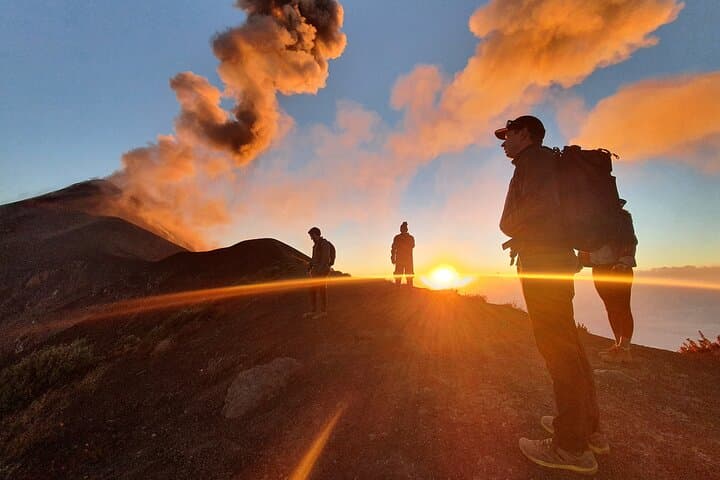
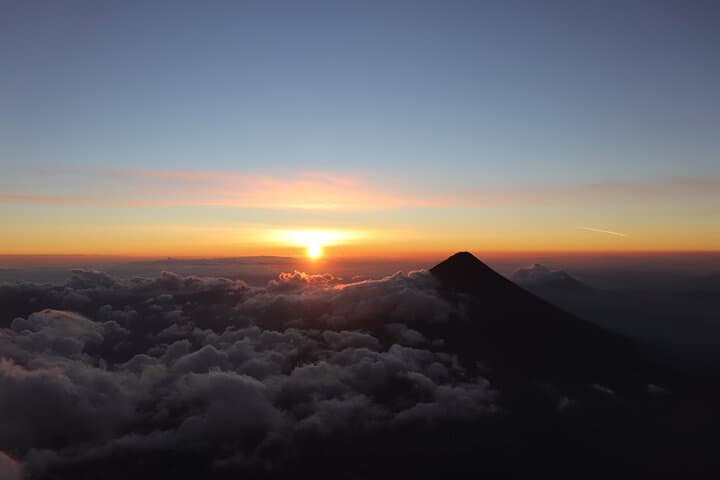
The trip is straightforward but serious: a roughly 5-hour climb to basecamp (about 2,600–3,600 m depending on your start), an overnight in shared cabins or tents with provided sleeping bags and mattresses, then a pre-dawn push to the summit at 3,976 m to watch sunrise and distant volcanic steam.
Practical notes: pack for cold nights, bring 3–4 liters of water, and plan for sharp temperature swings and wind. Expect rocky, sometimes muddy terrain and thin air above 3,000 m; pace conservatively on the final ascent. Guides arrange transport, meals, and basic bedding, but personal layers, a solid headlamp, and good boots make the difference between a memorable summit and a miserable night.
This overnight climb delivers raw highland weather, close-up volcanic scenery, and an attainable summit sunrise for fit hikers ready to manage altitude and cold.
challenging.
2 days (overnight).
Good aerobic fitness and experience with sustained uphill hiking; comfortable with multi-hour ascents and steep, rocky terrain.
The route is physically demanding due to steep, sustained climbing and altitude near 4,000 m; hikers should be fit and prepared for cold nights.
Guides typically provide shared cabins or camping space, a sleeping bag and mattress, hot drinks, dinner and breakfast, and a campsite guide.
Not required, but prior multi-hour hikes and familiarity with altitude symptoms improve safety and enjoyment; acclimatize when possible.
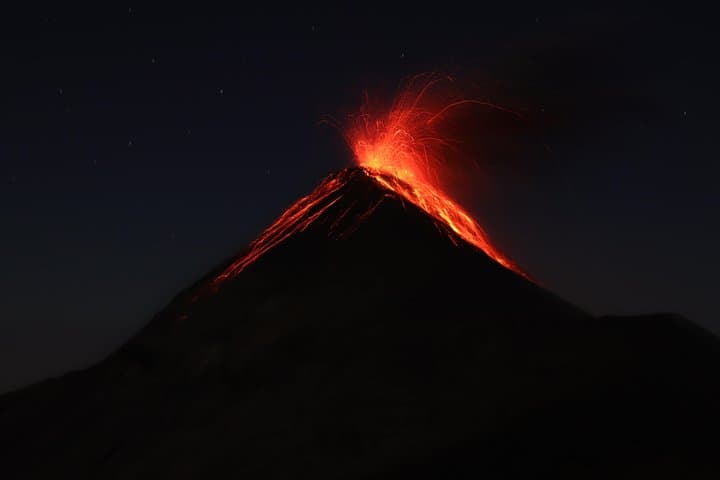
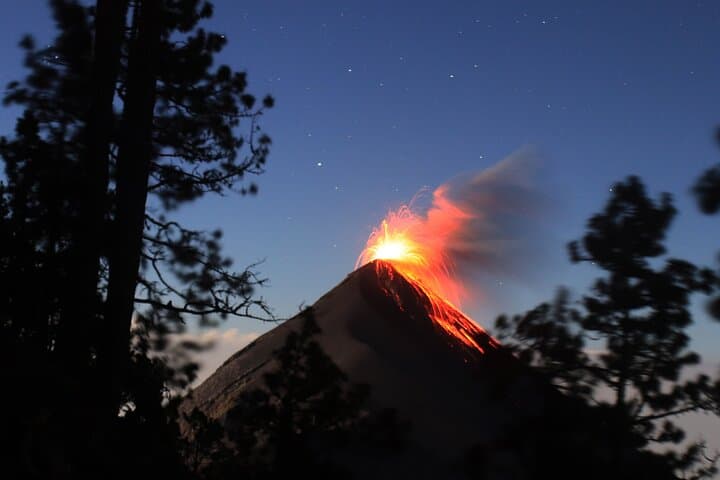
Yes—on clear nights or mornings, you may see glowing activity or ash plumes from nearby Fuego, but viewing depends on weather and volcanic behavior.
Acatenango’s slopes have supported indigenous highland communities for centuries; its volcanic neighbors shaped settlement, agriculture, and local legends.
Stay on established trails and pack out waste; volcanic highland ecosystems are fragile and recovery from erosion and litter is slow.
Tours / Activities SA ((T&ASA)) operates guided outdoor trips and adventures with an emphasis on safety, stewardship, and memorable experiences.
Dawn in Antigua is a cool, clear promise. You board a shuttle as the town yawns and roll toward La Soledad, where the trailhead begins and the forest tightens around the path. The ascent curves through pine and scrub, the air thinning and the view widening until the volcano’s silhouette cuts the sky.
Dawn in Antigua is a cool, clear promise. You board a shuttle as the town yawns and roll toward La Soledad, where the trailhead begins and the forest tightens around the path. The ascent curves through pine and scrub, the air thinning and the view widening until the volcano’s silhouette cuts the sky.
Geology here is blunt and honest: Acatenango is an ancient stratovolcano, its ridgelines built by long eras of eruption and erosion. It shares a saddle with the often-active Fuego, offering one of Central America’s best vantage points for watching another volcano breathe. Culturally, the highlands hold layered Maya and colonial histories—antique stone terraces, farmsteads, and villages whose rhythms still follow planting and market days.
The trip is straightforward but serious: a roughly 5-hour climb to basecamp (about 2,600–3,600 m depending on your start), an overnight in shared cabins or tents with provided sleeping bags and mattresses, then a pre-dawn push to the summit at 3,976 m to watch sunrise and distant volcanic steam.
Practical notes: pack for cold nights, bring 3–4 liters of water, and plan for sharp temperature swings and wind. Expect rocky, sometimes muddy terrain and thin air above 3,000 m; pace conservatively on the final ascent. Guides arrange transport, meals, and basic bedding, but personal layers, a solid headlamp, and good boots make the difference between a memorable summit and a miserable night.
This overnight climb delivers raw highland weather, close-up volcanic scenery, and an attainable summit sunrise for fit hikers ready to manage altitude and cold.