THE ADVENTURE COLLECTIVE® · Independent discovery and booking for outdoor travel

Two days, three ancient capitals: fly from Marsa Alam to Cairo’s pyramids and museums, then onward to Luxor’s temples and the Valley of the Kings. A private guide, internal flights and two lunches make this a compact, high-impact Egyptian sweep.
Two days, three ancient capitals: fly from Marsa Alam to Cairo’s pyramids and museums, then onward to Luxor’s temples and the Valley of the Kings. A private guide, internal flights and two lunches make this a compact, high-impact Egyptian sweep.
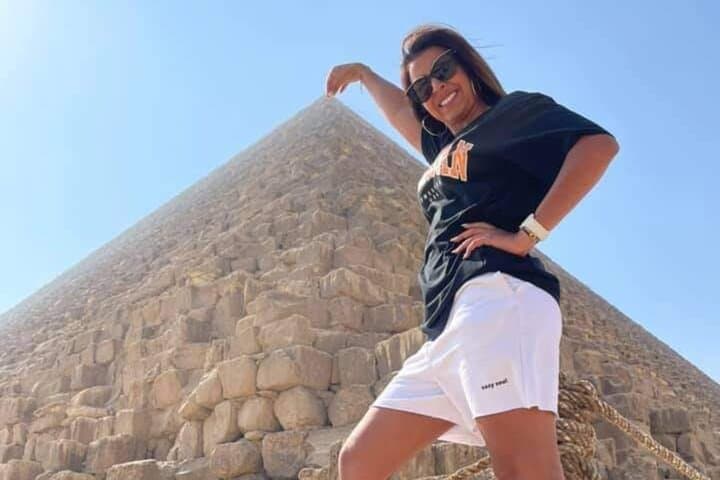
The air tastes of dust and citrus as your private van eases away from the Red Sea—Marsa Alam shrinking behind you—while a two-day sprint through Egypt’s deepest chapters begins. By midday you stand beneath the Giza plateau: the pyramids loom like stones that refused to fall, and the Sphinx studies the horizon with a half-smile. Night travel stitches the Nile’s lights together until Luxor unfolds its temple-lined shore.
Verified experiences and guided adventures in the surrounding area.
Operated by Egypt Best Day Tours · Marsa Alam, Red Sea Governorate
The air tastes of dust and citrus as your private van eases away from the Red Sea—Marsa Alam shrinking behind you—while a two-day sprint through Egypt’s deepest chapters begins. By midday you stand beneath the Giza plateau: the pyramids loom like stones that refused to fall, and the Sphinx studies the horizon with a half-smile. Night travel stitches the Nile’s lights together until Luxor unfolds its temple-lined shore.
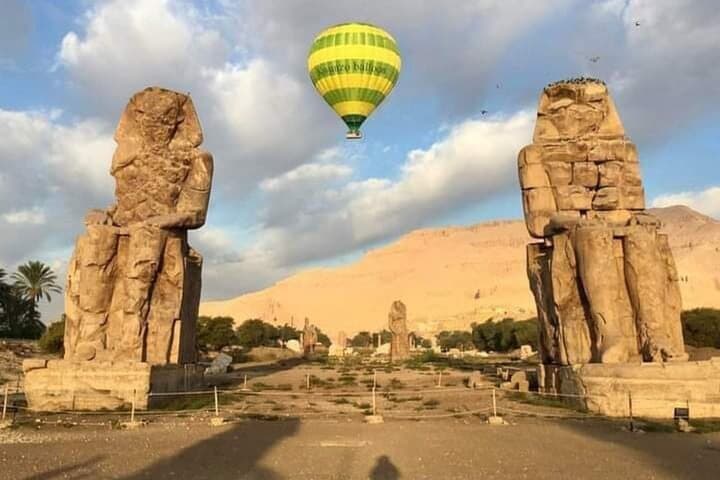
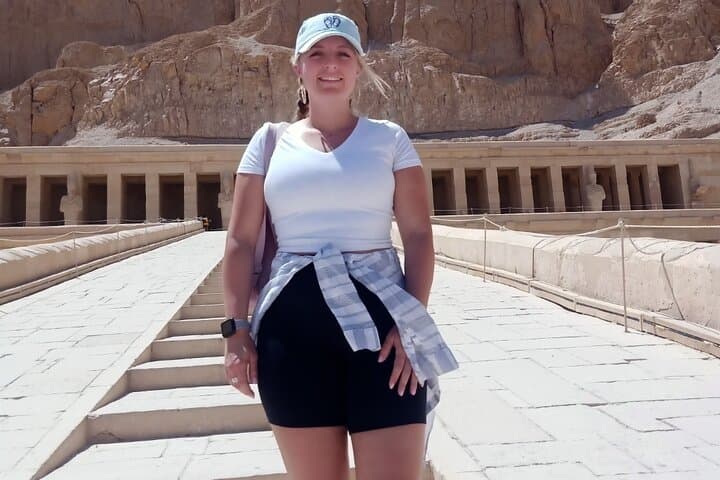
These two cities bookend 3,000 years of pharaonic power. Giza’s monuments date to Egypt’s Old Kingdom; Cairo layers Islamic and Coptic histories atop Pharaonic relics; Luxor was once Thebes, the ceremonial heart of Middle and New Kingdom rulership where kings were buried in painted rock-cut tombs. Geologically, the Nile valley’s soft sediments preserved tombs while nearby deserts preserved colossal stone work, leaving temples and tombs remarkably exposed to both sun and sand.
Culturally, bargaining at Khan el-Khalili and the cadence of calls to prayer in Cairo contrast with Luxor’s quiet West Bank mornings where the wind seems to carry ritual. Practicalities shape the trip: internal flights connect long distances, a licensed Egyptologist guides site visits, and many monuments require short walks and steps on uneven surfaces.
Bring sun protection, a passport for ticketing, comfortable shoes for cobbled paths, and a light layer for cooler desert nights. Expect early starts to beat heat and crowds, and allow time between flights—this is fast-paced travel that rewards planning and curiosity.
easy.
2 days.
Suitable for most fitness levels; requires walking short distances, stairs and uneven ground for several hours each day.
Internal flights (Marsa Alam–Cairo–Luxor) and admission to the listed monuments are included in the tour price as described in the itinerary.
The tour states wheelchair-accessible transfers and surfaces where possible, but some ancient sites have steps or uneven ground—check specific accessibility needs with the operator ahead of booking.
Expect several hours of walking each day at sites like Giza and the Valley of the Kings; distances are moderate but include stairs and uneven terrain.
Tipping is customary for guides, drivers and service staff; carry small bills in Egyptian pounds and dress modestly at religious sites to respect local norms.
Luxor sits on the site of ancient Thebes, a capital for pharaohs in the Middle and New Kingdoms; Giza’s pyramids were constructed during the Old Kingdom around 4,500 years ago.
High visitor numbers strain fragile monuments and desert ecosystems—stay on marked paths, avoid touching reliefs, and use licensed guides to support responsible site management.
Egypt Best Day Tours operates guided outdoor trips and adventures with an emphasis on safety, stewardship, and memorable experiences.

The air tastes of dust and citrus as your private van eases away from the Red Sea—Marsa Alam shrinking behind you—while a two-day sprint through Egypt’s deepest chapters begins. By midday you stand beneath the Giza plateau: the pyramids loom like stones that refused to fall, and the Sphinx studies the horizon with a half-smile. Night travel stitches the Nile’s lights together until Luxor unfolds its temple-lined shore.
The air tastes of dust and citrus as your private van eases away from the Red Sea—Marsa Alam shrinking behind you—while a two-day sprint through Egypt’s deepest chapters begins. By midday you stand beneath the Giza plateau: the pyramids loom like stones that refused to fall, and the Sphinx studies the horizon with a half-smile. Night travel stitches the Nile’s lights together until Luxor unfolds its temple-lined shore.
These two cities bookend 3,000 years of pharaonic power. Giza’s monuments date to Egypt’s Old Kingdom; Cairo layers Islamic and Coptic histories atop Pharaonic relics; Luxor was once Thebes, the ceremonial heart of Middle and New Kingdom rulership where kings were buried in painted rock-cut tombs. Geologically, the Nile valley’s soft sediments preserved tombs while nearby deserts preserved colossal stone work, leaving temples and tombs remarkably exposed to both sun and sand.
Culturally, bargaining at Khan el-Khalili and the cadence of calls to prayer in Cairo contrast with Luxor’s quiet West Bank mornings where the wind seems to carry ritual. Practicalities shape the trip: internal flights connect long distances, a licensed Egyptologist guides site visits, and many monuments require short walks and steps on uneven surfaces.
Bring sun protection, a passport for ticketing, comfortable shoes for cobbled paths, and a light layer for cooler desert nights. Expect early starts to beat heat and crowds, and allow time between flights—this is fast-paced travel that rewards planning and curiosity.