THE ADVENTURE COLLECTIVE® · Independent discovery and booking for outdoor travel

Explore 19th‑century Chester on a 90‑minute guided walk through Overleigh Cemetery. Hear stories of Victorian lives, see ornate memorials and learn local history in a compact, accessible tour.
Explore 19th‑century Chester on a 90‑minute guided walk through Overleigh Cemetery. Hear stories of Victorian lives, see ornate memorials and learn local history in a compact, accessible tour.
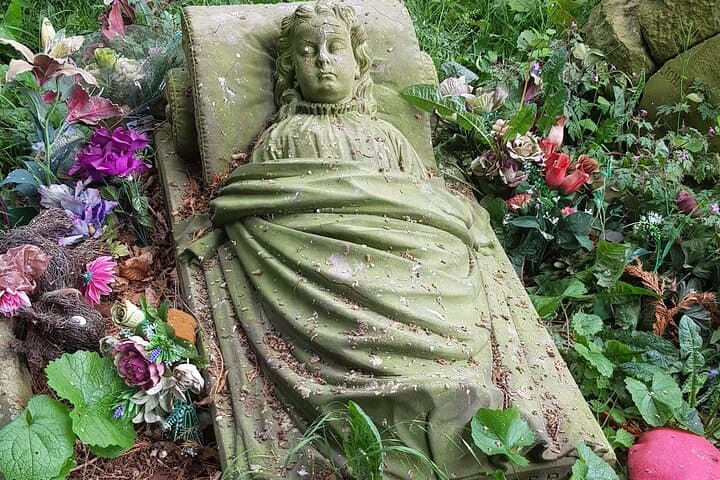
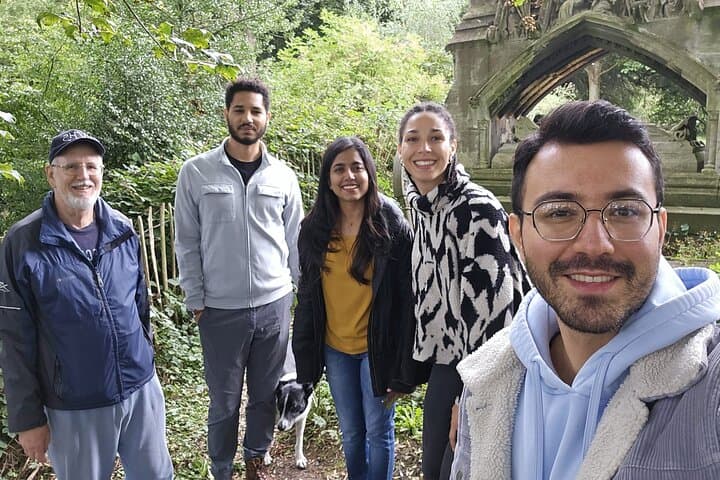
A low sun filters through bare yews as you step through the iron gates of Overleigh Cemetery, the city’s 19th‑century burial ground where stone and grass keep score of Chester’s past. For 90 minutes a Green Badge guide leads a small group across gravel paths and soft turf, pointing out carved angels, eccentric epitaphs and weathered memorials while the pond’s islands watch like small, reflective islands of time.
Verified experiences and guided adventures in the surrounding area.
Operated by Paul's Chester Tours · Chester, Cheshire
A low sun filters through bare yews as you step through the iron gates of Overleigh Cemetery, the city’s 19th‑century burial ground where stone and grass keep score of Chester’s past. For 90 minutes a Green Badge guide leads a small group across gravel paths and soft turf, pointing out carved angels, eccentric epitaphs and weathered memorials while the pond’s islands watch like small, reflective islands of time.
Opened in 1850 and laid out by T.M. Penson, Overleigh replaced overcrowded churchyards and was conceived with Victorian formality: two lodges, twin chapels and an ornamental lake with three islands. The stones record everything from local architects and archaeologists to tragic accidents and odd personal histories—Mary Jonas and her 33 children, William Bidulph Cross’s handmade coffin of matchboxes, and the stories tied to the Lusitania.
Geology here is simple—gently undulating Cheshire clay with shaded glades under mature trees—yet the cemetery’s layout and monuments tell social and industrial histories of Victorian Chester. The walking rhythm of the tour alternates quiet listening with close reading of inscriptions; the guide fills gaps between dates with context about class, local industry and wartime displacement.
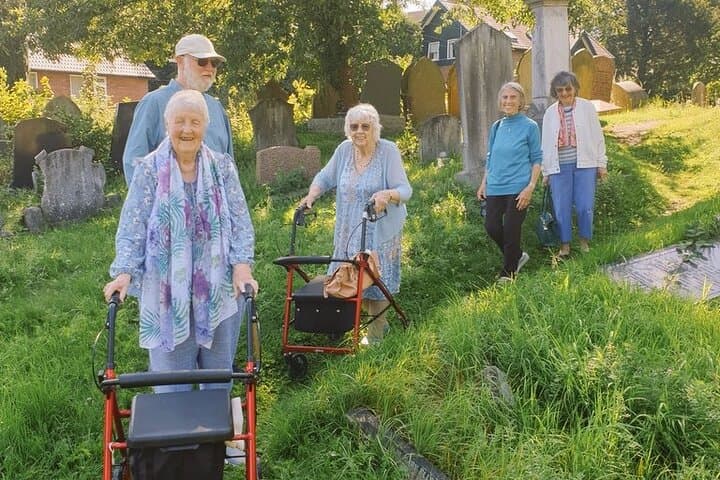
Practical notes: expect uneven ground and mud in wet seasons, bring sturdy shoes, and allow 90 minutes. The tour suits anyone comfortable on a moderate walk; it’s wheelchair accessible in main areas but some grave-side approaches may be rough. Book ahead for guaranteed spots; cancelations are refundable up to 24 hours. Move respectfully, photograph sensitively and leave the stones—this is both a history lesson and a active, contemplative walk through a living archive.
moderate.
1–1.5 hours.
Able to walk on uneven ground for up to 90 minutes with short stops; comfortable for most hikers with moderate fitness
The guided tour lasts approximately 90 minutes and typically stops at around 25 notable graves and monuments.
Main paths and several stops are wheelchair accessible, but some grave‑side approaches are uneven—contact the operator about specific mobility needs.
Children welcome; the tour content includes sensitive subjects so parental discretion is advised. Service animals are allowed.
Full refunds are available if you cancel at least 24 hours before the scheduled departure time.
Overleigh Cemetery was established in 1850 and designed by T.M. Penson to serve Chester’s expanding population when churchyards were full; many monuments reflect Victorian social hierarchies.
The cemetery is cared for as both a heritage site and green space—respect for plantings and avoidance of disturbing lichens and mosses helps preserve monuments and ecology.
Paul's Chester Tours operates guided outdoor trips and adventures with an emphasis on safety, stewardship, and memorable experiences.
A low sun filters through bare yews as you step through the iron gates of Overleigh Cemetery, the city’s 19th‑century burial ground where stone and grass keep score of Chester’s past. For 90 minutes a Green Badge guide leads a small group across gravel paths and soft turf, pointing out carved angels, eccentric epitaphs and weathered memorials while the pond’s islands watch like small, reflective islands of time.
A low sun filters through bare yews as you step through the iron gates of Overleigh Cemetery, the city’s 19th‑century burial ground where stone and grass keep score of Chester’s past. For 90 minutes a Green Badge guide leads a small group across gravel paths and soft turf, pointing out carved angels, eccentric epitaphs and weathered memorials while the pond’s islands watch like small, reflective islands of time.
Opened in 1850 and laid out by T.M. Penson, Overleigh replaced overcrowded churchyards and was conceived with Victorian formality: two lodges, twin chapels and an ornamental lake with three islands. The stones record everything from local architects and archaeologists to tragic accidents and odd personal histories—Mary Jonas and her 33 children, William Bidulph Cross’s handmade coffin of matchboxes, and the stories tied to the Lusitania.
Geology here is simple—gently undulating Cheshire clay with shaded glades under mature trees—yet the cemetery’s layout and monuments tell social and industrial histories of Victorian Chester. The walking rhythm of the tour alternates quiet listening with close reading of inscriptions; the guide fills gaps between dates with context about class, local industry and wartime displacement.
Practical notes: expect uneven ground and mud in wet seasons, bring sturdy shoes, and allow 90 minutes. The tour suits anyone comfortable on a moderate walk; it’s wheelchair accessible in main areas but some grave-side approaches may be rough. Book ahead for guaranteed spots; cancelations are refundable up to 24 hours. Move respectfully, photograph sensitively and leave the stones—this is both a history lesson and a active, contemplative walk through a living archive.