THE ADVENTURE COLLECTIVE® · Independent discovery and booking for outdoor travel

Swap the Lukla flight for a slow, scenic overland route that links Annapurna’s Sanctuary with the Khumbu approach to Everest. This 30‑day combo trek trades speed for acclimatization, village encounters, and glacier-side perspectives.
Swap the Lukla flight for a slow, scenic overland route that links Annapurna’s Sanctuary with the Khumbu approach to Everest. This 30‑day combo trek trades speed for acclimatization, village encounters, and glacier-side perspectives.
Morning light slices the Himalaya as a shared bus unspools out of Kathmandu, and the road becomes your slow ascent into alpine air. The overland route to Pokhara and onward to Jiri replaces a quick Lukla flight with a gradual acclimatization that lets villages, terraced fields, and rhododendron forests reveal themselves on foot.
Verified experiences and guided adventures in the surrounding area.
Operated by Nepal Mountain Club Pvt Ltd · Kathmandu, Bagmati Province
Morning light slices the Himalaya as a shared bus unspools out of Kathmandu, and the road becomes your slow ascent into alpine air. The overland route to Pokhara and onward to Jiri replaces a quick Lukla flight with a gradual acclimatization that lets villages, terraced fields, and rhododendron forests reveal themselves on foot.
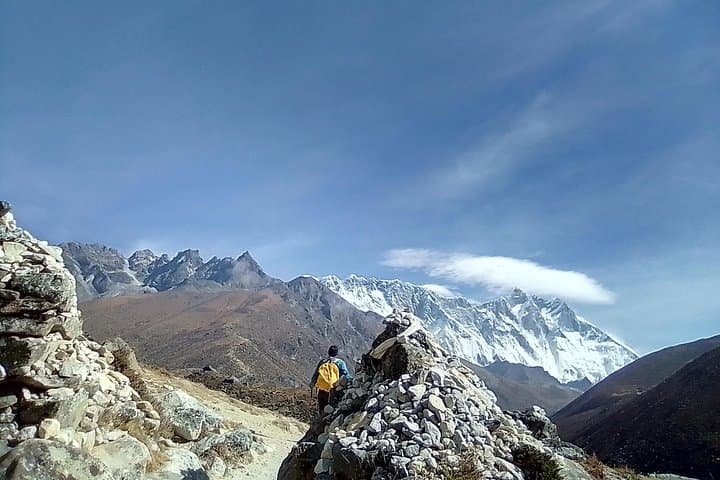
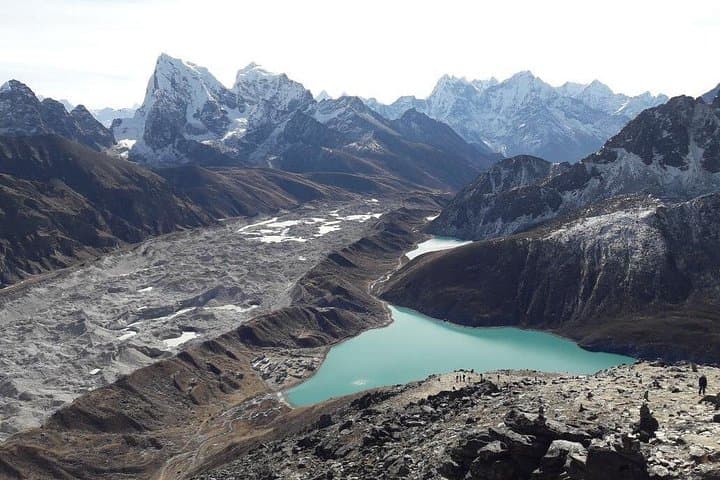
This combo trek stitches two of Nepal’s most famous circuits: the Annapurna Sanctuary’s amphitheater of peaks and the Khumbu’s ice-carved corridors toward Everest Base Camp. Geologically, you move from younger fold-and-thrust ranges of the Annapurnas to the glacial moraine and seracs of the Khumbu, where the Khumbu Glacier grinds rock into flour and icefall ladders mark the approach to the world’s highest summits. Culturally, Sherpa monasteries, Mani walls, and tea-house hospitality frame the path—local trade and Buddhism have shaped village life for centuries.
Expect varied terrain: long uphill staircases, high passes, lateral moraines, and exposed ridgelines. Rivers dare you to steady your step on suspension bridges; winds push across open plateaus; thin air makes every step more deliberate. Practical guidance: plan 30 days, permit TIMS and national park passes are required, and pace for acclimatization—scheduled rest days at Namche and Dingboche matter. Bring layered insulation, a sleeping bag rated for -15°C, and footwear with solid ankle support. Hydrate often, eat calorically dense meals, and carry a basic altitude plan including Diamox if recommended by a physician.
This overland combo is strenuous but rewarding: it trades a short flight for deeper cultural contact and a steadier climb into high Himalayan country.
challenging.
30 days.
Requires excellent cardiovascular fitness and endurance for daily hikes up to 6–8 hours at altitude; prior multi‑day trekking experience recommended.
Yes—TIMS and national park permits are required for Annapurna and Sagarmatha (Everest) regions; your operator typically arranges them.
The overland option is longer but eases acclimatization by adding gradual elevation gain and village stops; it's more physically and logistically demanding due to extra days.
Not strictly required, but previous multi‑day trekking experience and good fitness significantly reduce risk and improve enjoyment.
Fall (Sept–Nov) and spring (Mar–May) offer the most stable weather and best summit visibility; avoid monsoon season for Annapurna if clear views are a priority.
These trails have been trade and pilgrimage routes for centuries; Sherpa culture and Buddhism dominate the Khumbu, while Gurung and Magar communities shape Annapurna village life.
Both regions are within protected areas; stick to marked trails, avoid single‑use plastics, and support local teahouses to ensure tourism benefits communities.
Nepal Mountain Club Pvt Ltd operates guided outdoor trips and adventures with an emphasis on safety, stewardship, and memorable experiences.
Morning light slices the Himalaya as a shared bus unspools out of Kathmandu, and the road becomes your slow ascent into alpine air. The overland route to Pokhara and onward to Jiri replaces a quick Lukla flight with a gradual acclimatization that lets villages, terraced fields, and rhododendron forests reveal themselves on foot.
Morning light slices the Himalaya as a shared bus unspools out of Kathmandu, and the road becomes your slow ascent into alpine air. The overland route to Pokhara and onward to Jiri replaces a quick Lukla flight with a gradual acclimatization that lets villages, terraced fields, and rhododendron forests reveal themselves on foot.
This combo trek stitches two of Nepal’s most famous circuits: the Annapurna Sanctuary’s amphitheater of peaks and the Khumbu’s ice-carved corridors toward Everest Base Camp. Geologically, you move from younger fold-and-thrust ranges of the Annapurnas to the glacial moraine and seracs of the Khumbu, where the Khumbu Glacier grinds rock into flour and icefall ladders mark the approach to the world’s highest summits. Culturally, Sherpa monasteries, Mani walls, and tea-house hospitality frame the path—local trade and Buddhism have shaped village life for centuries.
Expect varied terrain: long uphill staircases, high passes, lateral moraines, and exposed ridgelines. Rivers dare you to steady your step on suspension bridges; winds push across open plateaus; thin air makes every step more deliberate. Practical guidance: plan 30 days, permit TIMS and national park passes are required, and pace for acclimatization—scheduled rest days at Namche and Dingboche matter. Bring layered insulation, a sleeping bag rated for -15°C, and footwear with solid ankle support. Hydrate often, eat calorically dense meals, and carry a basic altitude plan including Diamox if recommended by a physician.
This overland combo is strenuous but rewarding: it trades a short flight for deeper cultural contact and a steadier climb into high Himalayan country.