THE ADVENTURE COLLECTIVE® · Independent discovery and booking for outdoor travel

Walk one mile through Over-the-Rhine to see Cincinnati’s 19th-century brewery architecture, ride a streetcar to historic landmarks, and descend into three-story lagering cellars. Expect steep stairs, rich local history, and a pint at a neighborhood taproom to finish.
Walk one mile through Over-the-Rhine to see Cincinnati’s 19th-century brewery architecture, ride a streetcar to historic landmarks, and descend into three-story lagering cellars. Expect steep stairs, rich local history, and a pint at a neighborhood taproom to finish.
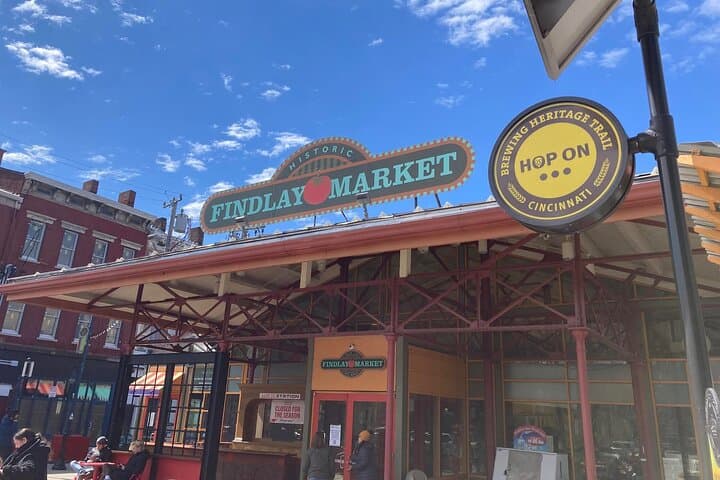
A late-afternoon light slides through the ironwork of Findlay Market as a small group gathers beneath the Brewing Heritage Trail sign. The streetcar clatters past while guides point out brick façades stamped with German names, and the smell of warm pretzels drifts from market stalls. This is Over-the-Rhine—Cincinnati’s layered neighborhood where the city’s industrial heartbeat is as present above ground as it is three stories below.
Verified experiences and guided adventures in the surrounding area.
Operated by Brewing Heritage Trail · Cincinnati, Ohio
A late-afternoon light slides through the ironwork of Findlay Market as a small group gathers beneath the Brewing Heritage Trail sign. The streetcar clatters past while guides point out brick façades stamped with German names, and the smell of warm pretzels drifts from market stalls. This is Over-the-Rhine—Cincinnati’s layered neighborhood where the city’s industrial heartbeat is as present above ground as it is three stories below.
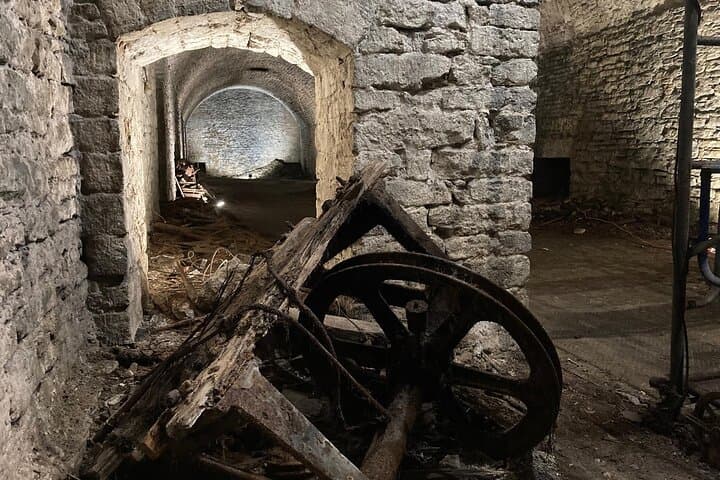
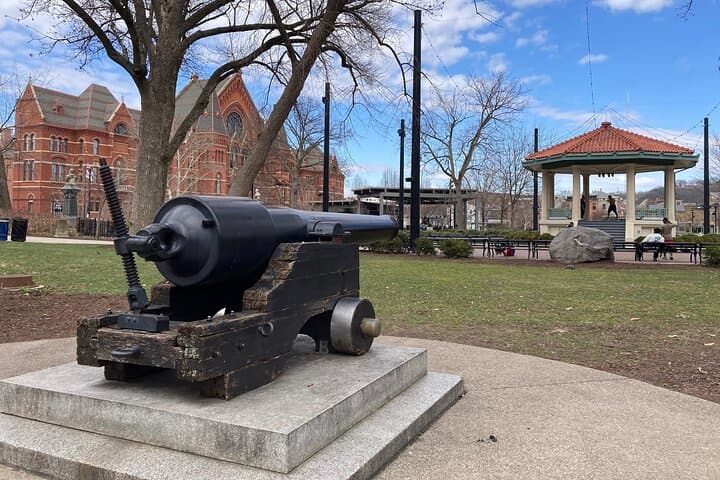
The tour traces roughly one mile on foot with short streetcar hops to major topside landmarks: Findlay Market (1855), Music Hall, Washington Park and traces of the Miami-Erie Canal. Guests learn how 19th-century German immigrants built a brewing economy, carving lagering cellars into the earth; the Gerke and Lafayette brewery sites show how geology and groundwater created natural refrigeration for cold storage. Below Central Parkway lie the abandoned Cincinnati subway sections, a reminder of civic ambitions that stalled in the 20th century.
Culturally, Over-the-Rhine has been a center for working-class life, immigration, decline, and recent revitalization—street art, repurposed warehouses, and a lively taproom scene. Guides balance architecture, oral histories and material culture while encouraging respect for fragile subterranean spaces.
Practicalities: expect steep staircases to reach 1850s cellars—those with mobility concerns can remain topside. The walk lasts about two hours, so wear sturdy shoes, bring government ID for the pint at the end, and arrive 15 minutes early to check in. Public transit and the Findlay Garage are nearby; tours end at a local taproom for a final taste of Cincinnati’s brewing past and present.
moderate.
2 hours.
Participants should be comfortable walking about a mile with stair climbs; basic cardiovascular fitness and stable balance recommended.
The tour covers about one mile on foot with several short stops and includes a descent three stories via steep stairs—overall duration is approximately two hours and is rated moderate.
No; the historic cellar access requires multiple flights of steep stairs and is not wheelchair or stroller accessible. Guests may remain topside during the underground visit.
A pint at a nearby taproom is included; non-alcoholic options are available if you prefer not to drink.
Findlay Garage (1810 Logan St.) is the closest large parking structure; several bus and streetcar lines serve the area and the meeting point is a short walk from public transit stops.
Over-the-Rhine grew rapidly with mid-19th-century German immigration; its breweries used natural cellars and nearby groundwater for lagering, shaping both architecture and local economy.
Respect fragile underground structures by staying on guided paths, avoiding touching historic masonry, and supporting local preservation efforts that balance tourism with neighborhood stewardship.
Brewing Heritage Trail operates guided outdoor trips and adventures with an emphasis on safety, stewardship, and memorable experiences.
A late-afternoon light slides through the ironwork of Findlay Market as a small group gathers beneath the Brewing Heritage Trail sign. The streetcar clatters past while guides point out brick façades stamped with German names, and the smell of warm pretzels drifts from market stalls. This is Over-the-Rhine—Cincinnati’s layered neighborhood where the city’s industrial heartbeat is as present above ground as it is three stories below.
A late-afternoon light slides through the ironwork of Findlay Market as a small group gathers beneath the Brewing Heritage Trail sign. The streetcar clatters past while guides point out brick façades stamped with German names, and the smell of warm pretzels drifts from market stalls. This is Over-the-Rhine—Cincinnati’s layered neighborhood where the city’s industrial heartbeat is as present above ground as it is three stories below.
The tour traces roughly one mile on foot with short streetcar hops to major topside landmarks: Findlay Market (1855), Music Hall, Washington Park and traces of the Miami-Erie Canal. Guests learn how 19th-century German immigrants built a brewing economy, carving lagering cellars into the earth; the Gerke and Lafayette brewery sites show how geology and groundwater created natural refrigeration for cold storage. Below Central Parkway lie the abandoned Cincinnati subway sections, a reminder of civic ambitions that stalled in the 20th century.
Culturally, Over-the-Rhine has been a center for working-class life, immigration, decline, and recent revitalization—street art, repurposed warehouses, and a lively taproom scene. Guides balance architecture, oral histories and material culture while encouraging respect for fragile subterranean spaces.
Practicalities: expect steep staircases to reach 1850s cellars—those with mobility concerns can remain topside. The walk lasts about two hours, so wear sturdy shoes, bring government ID for the pint at the end, and arrive 15 minutes early to check in. Public transit and the Findlay Garage are nearby; tours end at a local taproom for a final taste of Cincinnati’s brewing past and present.