THE ADVENTURE COLLECTIVE® · Independent discovery and booking for outdoor travel

A full-day escape from Marrakech into the High Atlas to see Ouzoud, North Africa’s highest waterfall. This practical guide explains the terrain, travel time, cultural context, and tips to make the most of the 7–9 hour excursion.
A full-day escape from Marrakech into the High Atlas to see Ouzoud, North Africa’s highest waterfall. This practical guide explains the terrain, travel time, cultural context, and tips to make the most of the 7–9 hour excursion.
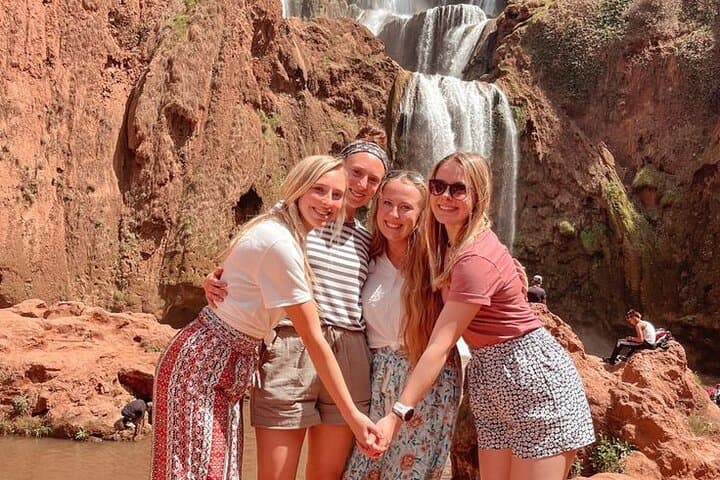
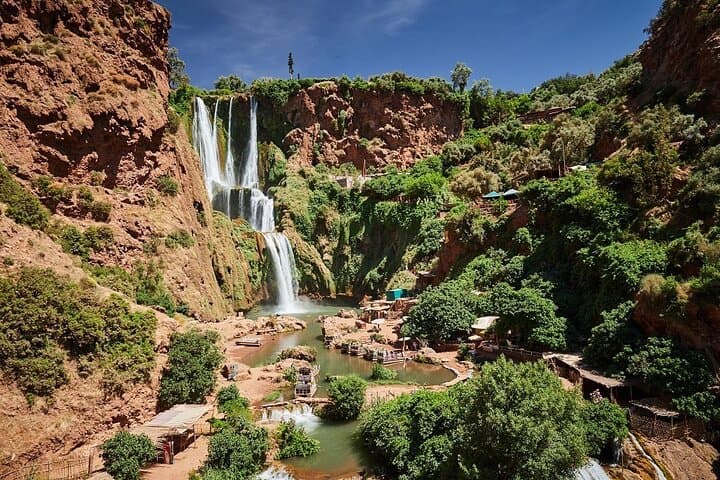
The first glimpse arrives before the car rounds the last ridge: a white ribbon of spray hanging in the air, catching the late-morning sun like a curtain. You step out onto a narrow overlook and the sound arrives second — a steady, patient roar as water unthreads itself over tiers of red rock. At 104 meters (360 feet), Ouzoud is North Africa's tallest waterfall and it announces itself with the confidence of an old landscape actor.
Verified experiences and guided adventures in the surrounding area.
Operated by Adventure masters · Ouzoud, Azilal Province
The first glimpse arrives before the car rounds the last ridge: a white ribbon of spray hanging in the air, catching the late-morning sun like a curtain. You step out onto a narrow overlook and the sound arrives second — a steady, patient roar as water unthreads itself over tiers of red rock. At 104 meters (360 feet), Ouzoud is North Africa's tallest waterfall and it announces itself with the confidence of an old landscape actor.
This day trip from Marrakech covers roughly 150 km (about a three-hour drive each way), cutting northeast from the city into the folded arms of the High Atlas. The falls sit in a shallow canyon carved from Miocene-era sandstone; over millennia the El Abid River has scoured terraces and plunge pools that now host a ring of restaurants, trails, and small olive groves. The name Ouzoud comes from the Berber word for grinding grain, a reminder that people have long worked these slopes — mills and terraces remain part of the human geography here.
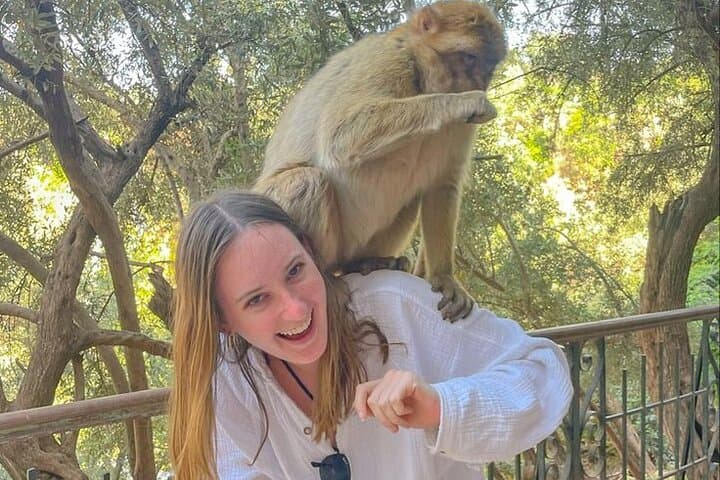
Culturally, Ouzoud is as much a social place as a natural one. Local guides and restaurant owners welcome visitors with steaming tagines and mint tea; traders line the approach road with woven rugs and olives. The area is also a pocket of biodiversity: bands of Barbary macaques hop across olive branches, and eagles and kingfishers patrol the canyon air. Geologically the falls demonstrate how seasonal flows and hard rock layers cooperate to create stepped cascades and deep plunge pools that dare you to come closer.
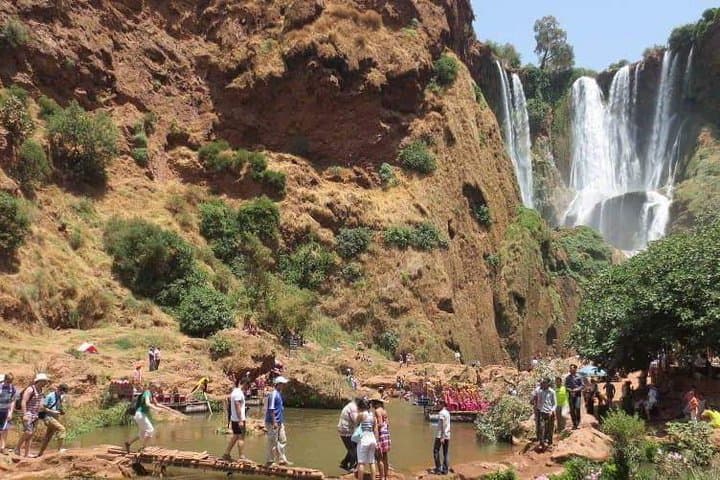
Practicalities shape a successful visit. Most organized tours include hotel pickup in Marrakech, and the full excursion runs 7–9 hours. Expect 2–3 hours of on-foot exploration on uneven stone steps and narrow trails — bring sturdy shoes and a light daypack. Walk the loop trail down to the base for close-up views and the clifftop circuit for panoramic photos; both are well signed but can be crowded mid-day. Vendors and small restaurants serve simple local food; tips on avoiding crowds: arrive early (before 10:30) or plan a late-afternoon visit when the light softens.
Wildlife is curious but opportunistic — keep food stowed and camera ready; the macaques are used to people and bold. Water levels peak after winter rains and in spring, offering the most dramatic flows; in late summer the falls thin to a gentler ribbon.
Safety and sustainability matter here: paths can be slippery, and the community depends on steady, respectful tourism. Stick to the trails, support local guides, and carry a refillable bottle — the restaurants will top it up. Ouzoud is a place where geological time moves in broad, patient strokes, and the human day fits into its rhythm: come prepared, stay aware, and let the falls do the rest.
moderate.
7–9 hours.
Suitable for anyone comfortable walking 2–3 hours on uneven terrain; moderate stamina recommended for steps and short climbs.
Expect about 2.5–3 hours each way depending on traffic and stops; organized tours plan for a full 7–9 hour day.
The trails include stone steps and narrow paths with some steep sections — moderate fitness and good footwear are advised.
Some plunge pools are used for wading and swimming in warmer months, but currents can be strong; follow local guidance and avoid risky spots.
Yes — regional mountain guides and local guides meet visitors; hiring one supports the community and provides insight into trails and wildlife.
Yes, several family-run restaurants and cafés line the canyon offering tagines, mint tea, and shaded terraces with views.
They are generally not dangerous but can become aggressive if fed; secure belongings and do not feed or provoke them.
The surrounding region has long been used for olive groves and small-scale milling; the name ‘Ouzoud’ refers to traditional grain grinding in Berber.
Tourism supports local livelihoods but also pressures trails and wildlife; stick to paths, avoid feeding animals, and choose locally run restaurants and guides.
Adventure masters operates guided outdoor trips and adventures with an emphasis on safety, stewardship, and memorable experiences.
The first glimpse arrives before the car rounds the last ridge: a white ribbon of spray hanging in the air, catching the late-morning sun like a curtain. You step out onto a narrow overlook and the sound arrives second — a steady, patient roar as water unthreads itself over tiers of red rock. At 104 meters (360 feet), Ouzoud is North Africa's tallest waterfall and it announces itself with the confidence of an old landscape actor.
The first glimpse arrives before the car rounds the last ridge: a white ribbon of spray hanging in the air, catching the late-morning sun like a curtain. You step out onto a narrow overlook and the sound arrives second — a steady, patient roar as water unthreads itself over tiers of red rock. At 104 meters (360 feet), Ouzoud is North Africa's tallest waterfall and it announces itself with the confidence of an old landscape actor.
This day trip from Marrakech covers roughly 150 km (about a three-hour drive each way), cutting northeast from the city into the folded arms of the High Atlas. The falls sit in a shallow canyon carved from Miocene-era sandstone; over millennia the El Abid River has scoured terraces and plunge pools that now host a ring of restaurants, trails, and small olive groves. The name Ouzoud comes from the Berber word for grinding grain, a reminder that people have long worked these slopes — mills and terraces remain part of the human geography here.
Culturally, Ouzoud is as much a social place as a natural one. Local guides and restaurant owners welcome visitors with steaming tagines and mint tea; traders line the approach road with woven rugs and olives. The area is also a pocket of biodiversity: bands of Barbary macaques hop across olive branches, and eagles and kingfishers patrol the canyon air. Geologically the falls demonstrate how seasonal flows and hard rock layers cooperate to create stepped cascades and deep plunge pools that dare you to come closer.
Practicalities shape a successful visit. Most organized tours include hotel pickup in Marrakech, and the full excursion runs 7–9 hours. Expect 2–3 hours of on-foot exploration on uneven stone steps and narrow trails — bring sturdy shoes and a light daypack. Walk the loop trail down to the base for close-up views and the clifftop circuit for panoramic photos; both are well signed but can be crowded mid-day. Vendors and small restaurants serve simple local food; tips on avoiding crowds: arrive early (before 10:30) or plan a late-afternoon visit when the light softens.
Wildlife is curious but opportunistic — keep food stowed and camera ready; the macaques are used to people and bold. Water levels peak after winter rains and in spring, offering the most dramatic flows; in late summer the falls thin to a gentler ribbon.
Safety and sustainability matter here: paths can be slippery, and the community depends on steady, respectful tourism. Stick to the trails, support local guides, and carry a refillable bottle — the restaurants will top it up. Ouzoud is a place where geological time moves in broad, patient strokes, and the human day fits into its rhythm: come prepared, stay aware, and let the falls do the rest.