THE ADVENTURE COLLECTIVE® · Independent discovery and booking for outdoor travel

A full‑day excursion from Marrakech, Ouzoud delivers 110 meters of cascading water, terraced groves, and village life. This guide covers what to expect on the hike, the optional boat ride, and the practical details to make the day comfortable and safe.
A full‑day excursion from Marrakech, Ouzoud delivers 110 meters of cascading water, terraced groves, and village life. This guide covers what to expect on the hike, the optional boat ride, and the practical details to make the day comfortable and safe.
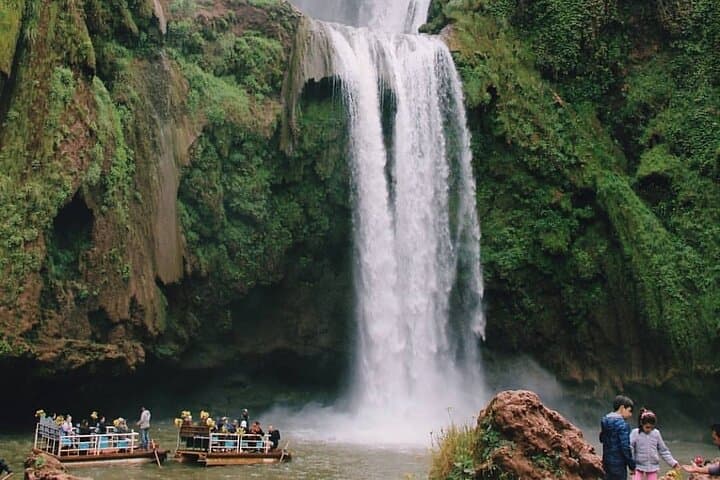
You step off the minibus and the roar arrives before the falls do—the sound of water folding over rock, throwing a fine, cool mist into the sunlit air. Narrow trails cut into terraced slopes lead toward the lip of a 110‑meter drop; citrus groves and olive trees frame the approach, and Barbary macaques watch from sunbaked boulders as visitors thread between cafes and old stone mills. By the time you reach the viewing platforms, spray beads on your camera lens and the canyon seems to inhale and exhale with the falls' pulse.
Verified experiences and guided adventures in the surrounding area.
Operated by morocco desert activities · Ouzoud, Marrakesh-Safi
You step off the minibus and the roar arrives before the falls do—the sound of water folding over rock, throwing a fine, cool mist into the sunlit air. Narrow trails cut into terraced slopes lead toward the lip of a 110‑meter drop; citrus groves and olive trees frame the approach, and Barbary macaques watch from sunbaked boulders as visitors thread between cafes and old stone mills. By the time you reach the viewing platforms, spray beads on your camera lens and the canyon seems to inhale and exhale with the falls' pulse.
Geology here is blunt and readable: streams from the High Atlas carve a channel through limestone, creating stepped cliffs and plunge pools. The name Ouzoud likely comes from the Amazigh word for 'olive', referencing the groves that feed the valley economy. For centuries local Berber communities built horizontal mills and terraced fields into these slopes; many of those mills still turn seasonally, grounding grain with water power as they have for generations.
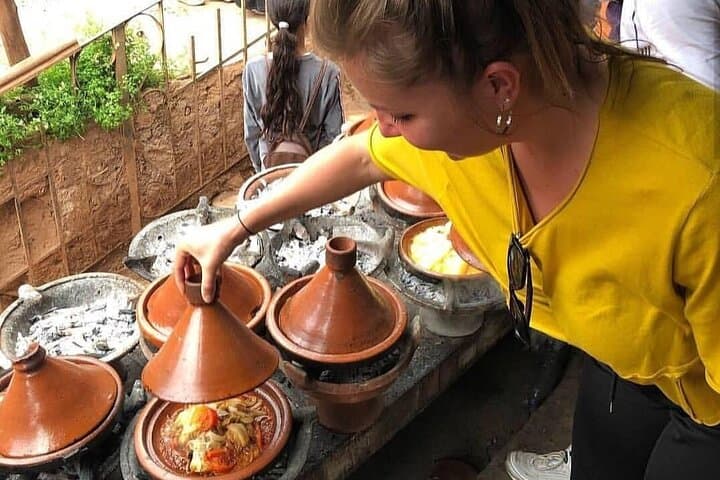
Culturally the site has been both workplace and gathering place — cafés perched on ledges, restaurants serving tagine and mint tea, and guides from neighboring villages who know every switchback and viewpoint. The waterfalls are popular with Moroccans and international travelers alike, which has shaped a small service economy: boat operators at the base, family-run eateries, and souvenir stalls hawking woven rugs and argan oil.
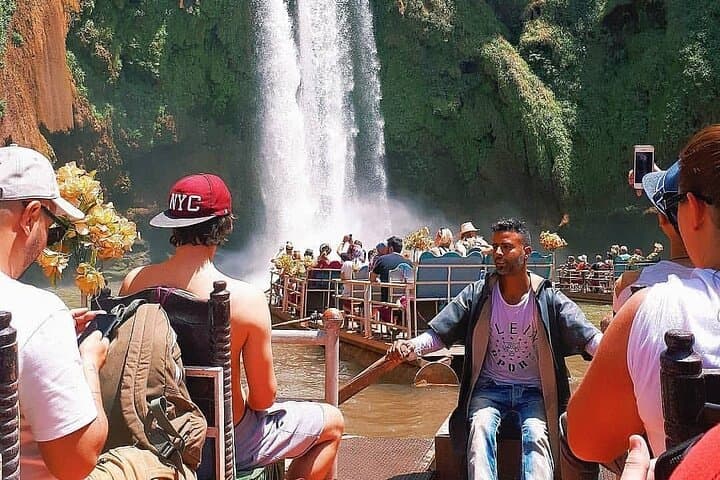
Practically, the excursion is a long day from Marrakech—expect a roughly three‑hour drive each way with a full four hours at the site for hiking, swimming near the pools, a possible boat ride, and lunch. Trails vary from paved sections to rocky, uneven paths with short steep pitches; a moderate level of mobility makes the visit more comfortable, but the main viewpoints are accessible without technical gear. If you opt for the boat at the falls’ base, note the ride is short and wet—waterproof bags or sealed cases keep electronics safe.
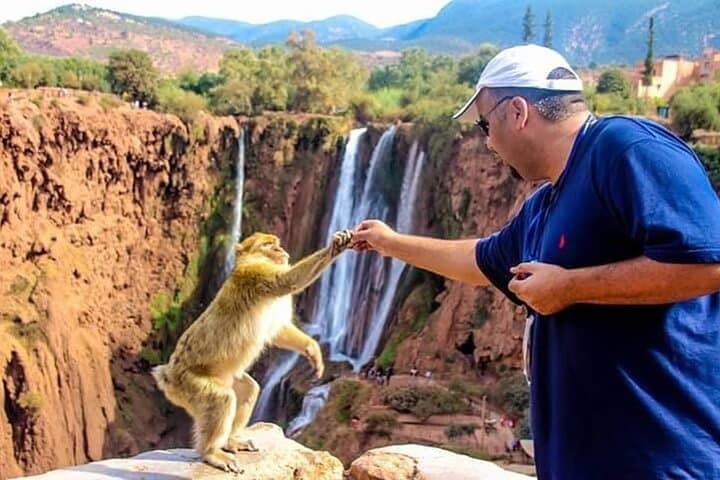
Timing matters: arrive early to avoid the largest crowds and catch clearer light for photos; late afternoon brings a golden cast to the mist but can be busier on weekends. Hydration and sun protection are nonnegotiable—there's limited shade on exposed stretches. Respect local wildlife by not feeding macaques; interactions that seem playful can stress animals and provoke bites.
For visitors who want a fuller cultural thread, plan a stop in Tamlalte for coffee and watch how village life arranges itself around the river. Whether you come for cliffside views, a refreshing dip in natural pools, or the theatrical boat approach to the falls, Ouzoud delivers a compact wilderness experience that reads like Morocco’s rugged interior in miniature.
moderate.
10–11 hours.
Comfortable walking ability for uneven trails and short climbs; not technical but expect several hours on your feet.
Approximately three hours each way depending on traffic and stops, making this a full‑day (about 10–11 hour) excursion.
Boat rides are usually optional and may be included depending on the chosen option—confirm at booking; boat operators often charge a small fee on site if not included.
Yes—many operators provide infant seats and stroller‑friendly areas for short sections, but some trails and steps are not stroller‑accessible.
There are natural pools below the falls where locals swim; exercise caution, check depth, and avoid strong currents near the base of the main plunge.
Yes — several family‑run restaurants and cafes near the viewpoints serve traditional tagines, salads, and mint tea; bring cash for smaller vendors.
Observe from a distance, secure loose items, and never feed them—feeding alters their behavior and increases bite risk.
The falls sit within a historically Berber landscape where terraced agriculture and water‑powered mills have supported local communities for centuries.
Visitor pressure affects trails and wildlife—stick to marked paths, use local guides to support the economy, and avoid feeding animals to reduce human‑wildlife conflict.
morocco desert activities operates guided outdoor trips and adventures with an emphasis on safety, stewardship, and memorable experiences.
You step off the minibus and the roar arrives before the falls do—the sound of water folding over rock, throwing a fine, cool mist into the sunlit air. Narrow trails cut into terraced slopes lead toward the lip of a 110‑meter drop; citrus groves and olive trees frame the approach, and Barbary macaques watch from sunbaked boulders as visitors thread between cafes and old stone mills. By the time you reach the viewing platforms, spray beads on your camera lens and the canyon seems to inhale and exhale with the falls' pulse.
You step off the minibus and the roar arrives before the falls do—the sound of water folding over rock, throwing a fine, cool mist into the sunlit air. Narrow trails cut into terraced slopes lead toward the lip of a 110‑meter drop; citrus groves and olive trees frame the approach, and Barbary macaques watch from sunbaked boulders as visitors thread between cafes and old stone mills. By the time you reach the viewing platforms, spray beads on your camera lens and the canyon seems to inhale and exhale with the falls' pulse.
Geology here is blunt and readable: streams from the High Atlas carve a channel through limestone, creating stepped cliffs and plunge pools. The name Ouzoud likely comes from the Amazigh word for 'olive', referencing the groves that feed the valley economy. For centuries local Berber communities built horizontal mills and terraced fields into these slopes; many of those mills still turn seasonally, grounding grain with water power as they have for generations.
Culturally the site has been both workplace and gathering place — cafés perched on ledges, restaurants serving tagine and mint tea, and guides from neighboring villages who know every switchback and viewpoint. The waterfalls are popular with Moroccans and international travelers alike, which has shaped a small service economy: boat operators at the base, family-run eateries, and souvenir stalls hawking woven rugs and argan oil.
Practically, the excursion is a long day from Marrakech—expect a roughly three‑hour drive each way with a full four hours at the site for hiking, swimming near the pools, a possible boat ride, and lunch. Trails vary from paved sections to rocky, uneven paths with short steep pitches; a moderate level of mobility makes the visit more comfortable, but the main viewpoints are accessible without technical gear. If you opt for the boat at the falls’ base, note the ride is short and wet—waterproof bags or sealed cases keep electronics safe.
Timing matters: arrive early to avoid the largest crowds and catch clearer light for photos; late afternoon brings a golden cast to the mist but can be busier on weekends. Hydration and sun protection are nonnegotiable—there's limited shade on exposed stretches. Respect local wildlife by not feeding macaques; interactions that seem playful can stress animals and provoke bites.
For visitors who want a fuller cultural thread, plan a stop in Tamlalte for coffee and watch how village life arranges itself around the river. Whether you come for cliffside views, a refreshing dip in natural pools, or the theatrical boat approach to the falls, Ouzoud delivers a compact wilderness experience that reads like Morocco’s rugged interior in miniature.