THE ADVENTURE COLLECTIVE® · Independent discovery and booking for outdoor travel

A full-day from Marrakech that pairs a brisk descent to Africa's 110m Ouzoud Falls with lunch on a terrace, optional raft rides, and a close encounter with Barbary macaques. This guide covers what to expect, how to prepare, and the best ways to photograph the falls.
A full-day from Marrakech that pairs a brisk descent to Africa's 110m Ouzoud Falls with lunch on a terrace, optional raft rides, and a close encounter with Barbary macaques. This guide covers what to expect, how to prepare, and the best ways to photograph the falls.
You arrive before the busiest hours, the minibus releasing a ribbon of travelers onto a rough parking terrace. The first view is immediate: water tearing over stone in three broad curtains, white spray scenting the air, the gorge below opening like a green throat. At 110 meters the falls command attention — the river insists forward, the currents daring anyone to stand too close. Guides call out across the rim; children sprint along rocky paths, and the village terraces above the gorge hum with the slow business of olive oil presses and cafes.
Verified experiences and guided adventures in the surrounding area.
Operated by Marrakech Tours Advisor · Ouzoud, Béni Mellal-Khénifra
You arrive before the busiest hours, the minibus releasing a ribbon of travelers onto a rough parking terrace. The first view is immediate: water tearing over stone in three broad curtains, white spray scenting the air, the gorge below opening like a green throat. At 110 meters the falls command attention — the river insists forward, the currents daring anyone to stand too close. Guides call out across the rim; children sprint along rocky paths, and the village terraces above the gorge hum with the slow business of olive oil presses and cafes.
Geology here is blunt and readable: ancient limestone and sandstone cliffs cut by the El-Abid River, exposed over millennia and now carved into steps and plunge pools. Ouzoud's Azilal Province sits at roughly 1,060 meters above sea level, where Atlas foothills ease into deeper valleys. The name locals use in Amazigh, Imuzzar n'wuẓuḍ, points to the water’s central role in village life: irrigation, milling and seasonal grazing.
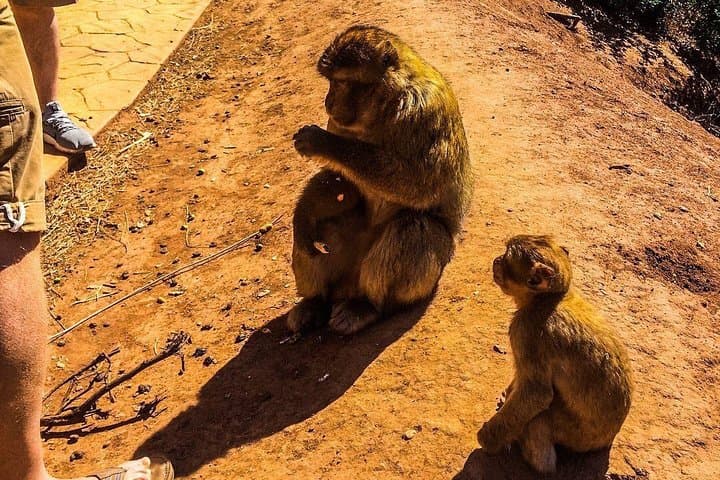
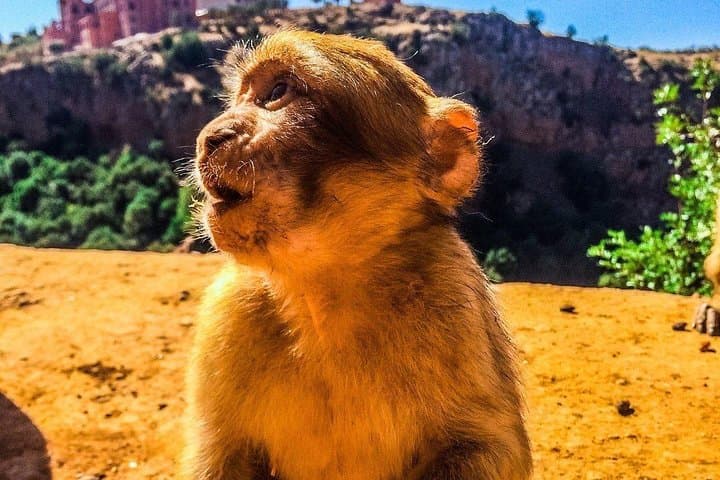
Culturally the site straddles two rhythms. The concrete terraces of restaurants and observation decks cater to incoming daytrippers from Marrakech; a few hundred meters away, stone tracks lead to small farms where native residents continue traditional practices. Barbary macaques frequent the cliffs as they have for decades, confident in the pull of visitors' cameras and snacks — a reminder to keep interactions respectful.
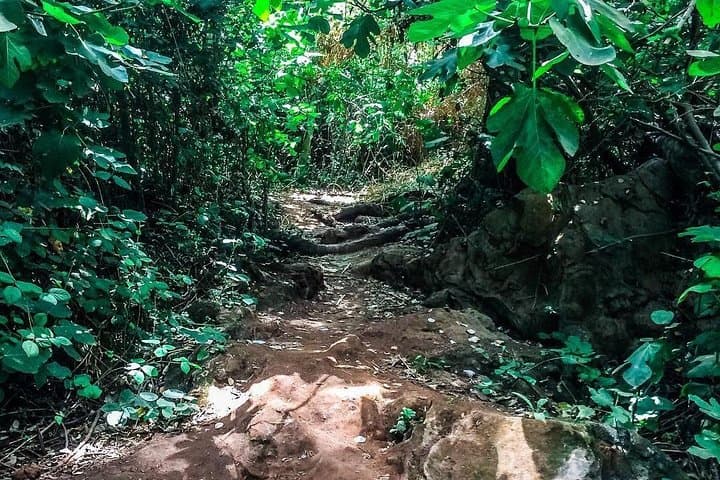
The experience is straightforward but sensory: a 1–1.5 km trail descends from the village rim to the river across stepped stone paths and wooden bridges, dropping about 110 meters. Expect uneven terrain — loose shale, worn steps and occasional river crossings. The full loop to the base and back, with stops, takes most groups three to five hours on foot; the operator schedules the full-day trip at nine hours including transit from Marrakech (roughly 2–2.5 hours each way).
Practical edge: wear grippy shoes and bring a fresh water supply; the descent is easier than the climb back, and the sun in summer can be intense on exposed sections. For a different perspective, pay for a short raft trip to the plunge pool — the raft brings you close enough for dramatic photos but not so close that you can ignore the current’s force.
Insider moves: aim for early morning light for photos before tour buses arrive, choose a terrace restaurant for lunch looking directly at the falls, and keep cash for small purchases and tips. Respect local rules: don’t feed the macaques, avoid plastic waste, and consider hiring a local guide at the village to learn about olive pressing and the area's seasonal water management. The daytrip is both an accessible nature outing and a cultural window — high-contrast, immediate and memorable.
moderate.
9 hours (including transport).
Moderate fitness recommended: you should be comfortable on uneven trails and able to handle a 110m elevation change on the return climb.
Expect roughly 2 to 2.5 hours each way by air-conditioned vehicle, depending on traffic and your pickup location in Marrakech.
Some pools are used for swimming upstream of the main plunge; swimming directly beneath the largest drop is not recommended due to strong currents and shifting rocks.
They are generally not aggressive but can snatch food or valuables; do not feed them, keep bags zipped, and avoid direct eye contact if they approach.
Lunch is typically not included — the itinerary stops at a restaurant terrace where you can order local meals; bringing snacks is also an option.
The path is family-friendly but involves steep sections and many steps; parents and older travelers should consider pace and mobility when booking.
Yes — small vendors and tips are cash-preferred, and some facilities at the falls may not accept cards.
Ouzoud sits in the foothills of the Middle Atlas where Amazigh (Berber) communities historically used the river for irrigation and olive milling; the name Imuzzar n'wuẓuḍ reflects the waterfalls' role in local life.
Rising visitor numbers place pressure on trails and wildlife; support local guides, use marked paths, pack out waste, and do not feed the macaques to reduce human-wildlife conflict.
Marrakech Tours Advisor operates guided outdoor trips and adventures with an emphasis on safety, stewardship, and memorable experiences.
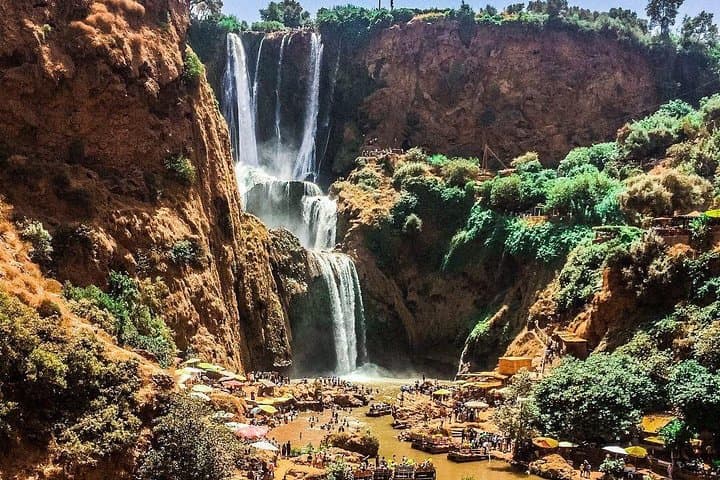
You arrive before the busiest hours, the minibus releasing a ribbon of travelers onto a rough parking terrace. The first view is immediate: water tearing over stone in three broad curtains, white spray scenting the air, the gorge below opening like a green throat. At 110 meters the falls command attention — the river insists forward, the currents daring anyone to stand too close. Guides call out across the rim; children sprint along rocky paths, and the village terraces above the gorge hum with the slow business of olive oil presses and cafes.
You arrive before the busiest hours, the minibus releasing a ribbon of travelers onto a rough parking terrace. The first view is immediate: water tearing over stone in three broad curtains, white spray scenting the air, the gorge below opening like a green throat. At 110 meters the falls command attention — the river insists forward, the currents daring anyone to stand too close. Guides call out across the rim; children sprint along rocky paths, and the village terraces above the gorge hum with the slow business of olive oil presses and cafes.
Geology here is blunt and readable: ancient limestone and sandstone cliffs cut by the El-Abid River, exposed over millennia and now carved into steps and plunge pools. Ouzoud's Azilal Province sits at roughly 1,060 meters above sea level, where Atlas foothills ease into deeper valleys. The name locals use in Amazigh, Imuzzar n'wuẓuḍ, points to the water’s central role in village life: irrigation, milling and seasonal grazing.
Culturally the site straddles two rhythms. The concrete terraces of restaurants and observation decks cater to incoming daytrippers from Marrakech; a few hundred meters away, stone tracks lead to small farms where native residents continue traditional practices. Barbary macaques frequent the cliffs as they have for decades, confident in the pull of visitors' cameras and snacks — a reminder to keep interactions respectful.
The experience is straightforward but sensory: a 1–1.5 km trail descends from the village rim to the river across stepped stone paths and wooden bridges, dropping about 110 meters. Expect uneven terrain — loose shale, worn steps and occasional river crossings. The full loop to the base and back, with stops, takes most groups three to five hours on foot; the operator schedules the full-day trip at nine hours including transit from Marrakech (roughly 2–2.5 hours each way).
Practical edge: wear grippy shoes and bring a fresh water supply; the descent is easier than the climb back, and the sun in summer can be intense on exposed sections. For a different perspective, pay for a short raft trip to the plunge pool — the raft brings you close enough for dramatic photos but not so close that you can ignore the current’s force.
Insider moves: aim for early morning light for photos before tour buses arrive, choose a terrace restaurant for lunch looking directly at the falls, and keep cash for small purchases and tips. Respect local rules: don’t feed the macaques, avoid plastic waste, and consider hiring a local guide at the village to learn about olive pressing and the area's seasonal water management. The daytrip is both an accessible nature outing and a cultural window — high-contrast, immediate and memorable.