THE ADVENTURE COLLECTIVE® · Independent discovery and booking for outdoor travel

Head northeast from Marrakech for a full-day private excursion to Ouzoud Falls — North Africa’s highest cascades, a network of cliffside viewpoints, monkey encounters and riverside dining. This guide explains what to expect on the hike, how to plan your day and local tips to make the most of the visit.
Head northeast from Marrakech for a full-day private excursion to Ouzoud Falls — North Africa’s highest cascades, a network of cliffside viewpoints, monkey encounters and riverside dining. This guide explains what to expect on the hike, how to plan your day and local tips to make the most of the visit.
You arrive on a sun-warm road that drops into a green amphitheater: the El-Abid River carving the rock into tiers, water leaping and spraying like a dare into the canyon below. From the rim the falls read clearly across the valley — three main drops that together measure roughly 110 meters — and the trail threads down through olive terraces and stone houses toward the spray.
Verified experiences and guided adventures in the surrounding area.
Operated by DESERT MOROCCO ADVENTURE · Ouzoud, Azilal Province
You arrive on a sun-warm road that drops into a green amphitheater: the El-Abid River carving the rock into tiers, water leaping and spraying like a dare into the canyon below. From the rim the falls read clearly across the valley — three main drops that together measure roughly 110 meters — and the trail threads down through olive terraces and stone houses toward the spray.
The cascades are fed by Atlas foothill springs and have long been a seasonal resource for Berber villages in Azilal Province. Geologically the falls trace soft sedimentary layers cut by the river; over millennia the water has sculpted plunge pools, cliffs and the steep terraces walkers now use. Local villages still serve tagines on patios overlooking the canyon, and small footbridges direct hikers to viewpoints where families of Barbary macaques watch, curious but opportunistic.
The day trip from Marrakech is primarily a land-adventure: a full-day drive (about 150 km one-way), guided walks on uneven stone and dirt paths, optional swims in calm pools at the base, and time for a local meal. Expect stairs and loose rock on descent and ascent, bright sun on exposed sections, and cooler air near the spray. Practical choices make the day easier: start early to avoid heat and crowds, bring layered clothing and a refillable water bottle, and carry small change for village cafés and tips. Respect wildlife by not feeding monkeys and pack out trash — the falls remain best experienced when left largely as the people who live around them have always known them.
moderate.
7 hours (full day).
Suitable for travelers with reasonable mobility who can handle several hundred meters of elevation change on stone steps and uneven paths.
The drive is about 2.5–3 hours each way (roughly 150 km) so expect a 7–8 hour full-day outing including walking and meal stops.
The trail includes stone steps and uneven terrain; it's moderate — doable for most people comfortable with stairs and short steep sections.
Yes — there are calm plunge pools at the base suitable for swimming in warmer months, but always assess current conditions and avoid fast water.
Barbary macaques are generally accustomed to humans but can become aggressive if fed; keep distance, secure your belongings and do not offer food.
The falls sit on the El-Abid River and have been an important water and grazing resource for Berber communities in Azilal Province; they are often cited as the highest in North Africa at about 110 meters.
Tourism brings revenue but also pressure; avoid feeding wildlife, stay on marked trails and carry out trash to reduce erosion and disturbance.
DESERT MOROCCO ADVENTURE operates guided outdoor trips and adventures with an emphasis on safety, stewardship, and memorable experiences.
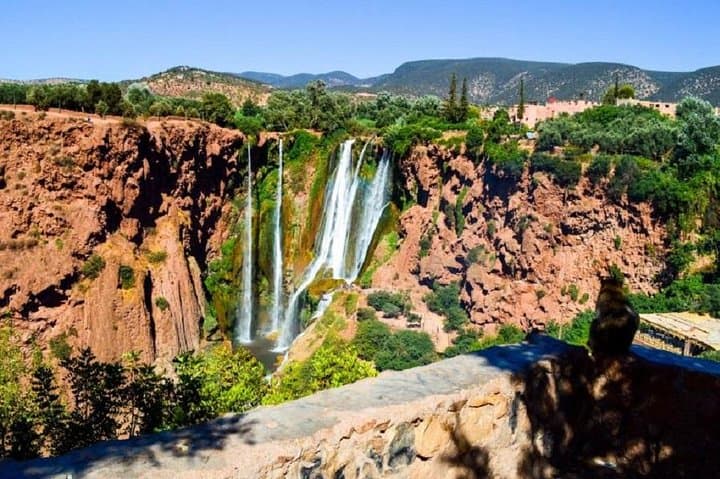
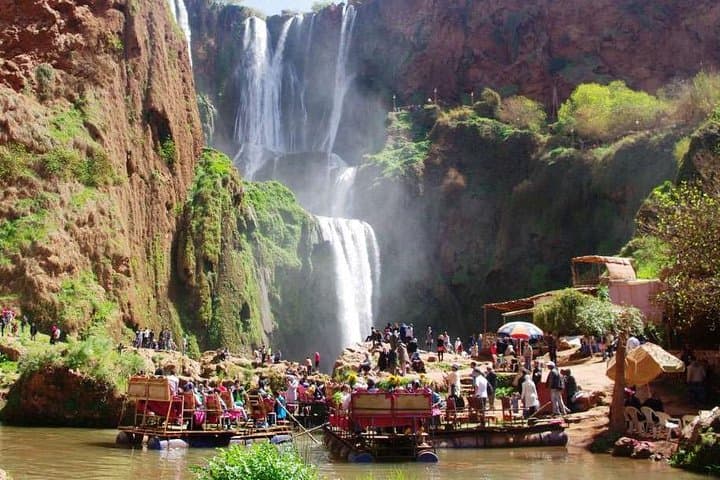
You arrive on a sun-warm road that drops into a green amphitheater: the El-Abid River carving the rock into tiers, water leaping and spraying like a dare into the canyon below. From the rim the falls read clearly across the valley — three main drops that together measure roughly 110 meters — and the trail threads down through olive terraces and stone houses toward the spray.
You arrive on a sun-warm road that drops into a green amphitheater: the El-Abid River carving the rock into tiers, water leaping and spraying like a dare into the canyon below. From the rim the falls read clearly across the valley — three main drops that together measure roughly 110 meters — and the trail threads down through olive terraces and stone houses toward the spray.
The cascades are fed by Atlas foothill springs and have long been a seasonal resource for Berber villages in Azilal Province. Geologically the falls trace soft sedimentary layers cut by the river; over millennia the water has sculpted plunge pools, cliffs and the steep terraces walkers now use. Local villages still serve tagines on patios overlooking the canyon, and small footbridges direct hikers to viewpoints where families of Barbary macaques watch, curious but opportunistic.
The day trip from Marrakech is primarily a land-adventure: a full-day drive (about 150 km one-way), guided walks on uneven stone and dirt paths, optional swims in calm pools at the base, and time for a local meal. Expect stairs and loose rock on descent and ascent, bright sun on exposed sections, and cooler air near the spray. Practical choices make the day easier: start early to avoid heat and crowds, bring layered clothing and a refillable water bottle, and carry small change for village cafés and tips. Respect wildlife by not feeding monkeys and pack out trash — the falls remain best experienced when left largely as the people who live around them have always known them.