THE ADVENTURE COLLECTIVE® · Independent discovery and booking for outdoor travel

A full-day escape from Marrakech to the thunderous Ouzoud Waterfalls—tiered cliffs, olive groves, optional boat rides and short, scenic loops. This guided tour pairs easy walking with local history and a close-up view of one of Morocco's most dramatic cascades.
A full-day escape from Marrakech to the thunderous Ouzoud Waterfalls—tiered cliffs, olive groves, optional boat rides and short, scenic loops. This guided tour pairs easy walking with local history and a close-up view of one of Morocco's most dramatic cascades.
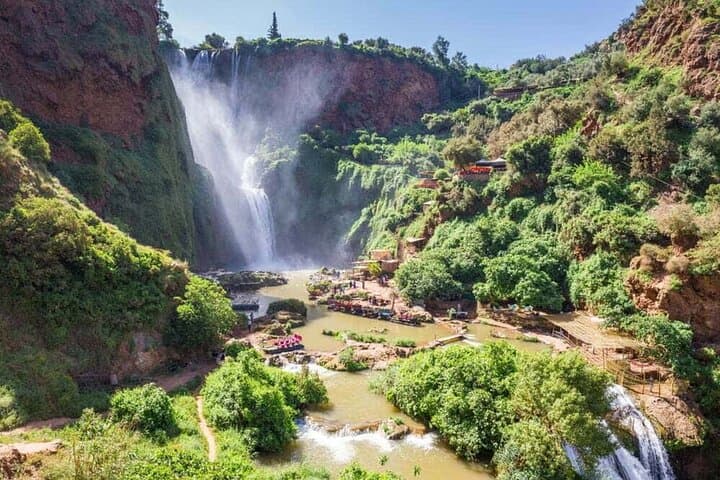
A motorcoach eases out of Marrakech at dawn and cuts across folded olive terraces; after roughly three hours and about 150 km the valley opens and the falls announce themselves—water plunging, spray freckling the light. Visitors step onto a ring of paths that follow a short 2–3 km loop with stone steps and terraces, the trail rising and falling roughly 100–150 m as it winds through scattered cafes, centuries-old mills, and pockets of cork and olive trees.
Verified experiences and guided adventures in the surrounding area.
Operated by morocco travel holidays · Ouzoud, Béni Mellal-Khénifra
A motorcoach eases out of Marrakech at dawn and cuts across folded olive terraces; after roughly three hours and about 150 km the valley opens and the falls announce themselves—water plunging, spray freckling the light. Visitors step onto a ring of paths that follow a short 2–3 km loop with stone steps and terraces, the trail rising and falling roughly 100–150 m as it winds through scattered cafes, centuries-old mills, and pockets of cork and olive trees.
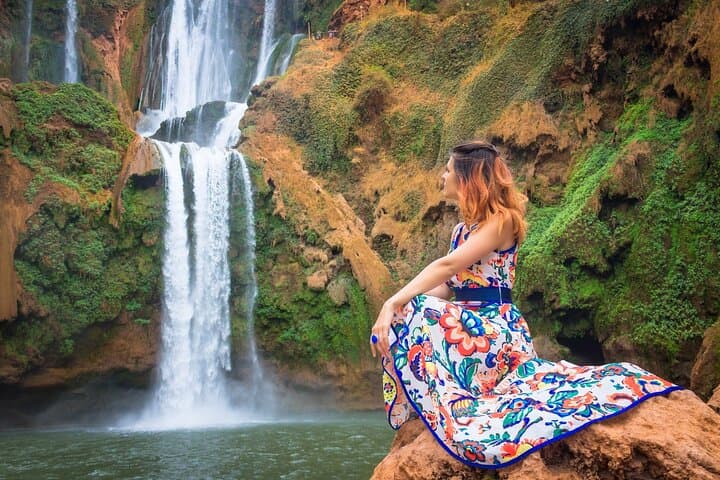
Ouzoud—whose name reflects the region's long association with olives and local oil presses—sits on the northern edge of the Middle Atlas. Geologically the falls descend a series of banded cliffs carved by the El-Abid river, creating multiple tiers and plunge pools. Local Berber villages line the approach; guides often point out traditional grinding stones and explain how seasonal irrigation shaped the slopes.
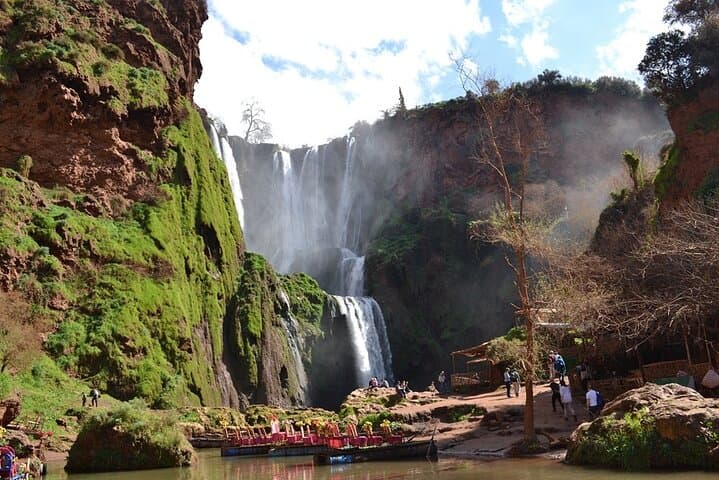
Practically, the tour balances easy walking with optional boat time at the base of the main drop: expect uneven stone steps, short steep sections, and damp surfaces near viewing points. A guided loop highlights lookout points, the old mills, and quiet coves where the current dares you nearer the water. Plan for a full-day outing (about 9 hours round trip), bring sun protection and a refillable bottle, and keep a modest pace—there are monkeys along the path that will test your snack discipline.
Timing matters: mid-morning or late afternoon light shows the falls best and the crowds thin after lunch. Respect local signage, stay on marked trails, and consider a local guide or boat option to deepen the experience while supporting the community.
easy.
9 hours (full day, including transit).
Minimal fitness required; comfortable walking on uneven surfaces and stairs recommended
Expect about a 2.5–3 hour drive each way (roughly 150 km) depending on traffic and stops.
Boat rides depend on river conditions and season; your guide or operator will confirm availability day-of and include it as an optional extra.
Yes—paths are suitable for most ages but include stairs; the tour is marked as physically easy, though mobility limitations may make certain viewpoints difficult.
Most standard options include hotel pickup and transport only; lunch at a local cafe is typically paid on-site with guide recommendations provided.
The area around Ouzoud has long been shaped by olive cultivation and small Berber communities; traditional mills near the falls recall older agricultural practices.
High visitor traffic strains trails and generates litter; stick to marked paths, carry out waste, and hire local guides who help support conservation-aware practices.
morocco travel holidays operates guided outdoor trips and adventures with an emphasis on safety, stewardship, and memorable experiences.

A motorcoach eases out of Marrakech at dawn and cuts across folded olive terraces; after roughly three hours and about 150 km the valley opens and the falls announce themselves—water plunging, spray freckling the light. Visitors step onto a ring of paths that follow a short 2–3 km loop with stone steps and terraces, the trail rising and falling roughly 100–150 m as it winds through scattered cafes, centuries-old mills, and pockets of cork and olive trees.
A motorcoach eases out of Marrakech at dawn and cuts across folded olive terraces; after roughly three hours and about 150 km the valley opens and the falls announce themselves—water plunging, spray freckling the light. Visitors step onto a ring of paths that follow a short 2–3 km loop with stone steps and terraces, the trail rising and falling roughly 100–150 m as it winds through scattered cafes, centuries-old mills, and pockets of cork and olive trees.
Ouzoud—whose name reflects the region's long association with olives and local oil presses—sits on the northern edge of the Middle Atlas. Geologically the falls descend a series of banded cliffs carved by the El-Abid river, creating multiple tiers and plunge pools. Local Berber villages line the approach; guides often point out traditional grinding stones and explain how seasonal irrigation shaped the slopes.
Practically, the tour balances easy walking with optional boat time at the base of the main drop: expect uneven stone steps, short steep sections, and damp surfaces near viewing points. A guided loop highlights lookout points, the old mills, and quiet coves where the current dares you nearer the water. Plan for a full-day outing (about 9 hours round trip), bring sun protection and a refillable bottle, and keep a modest pace—there are monkeys along the path that will test your snack discipline.
Timing matters: mid-morning or late afternoon light shows the falls best and the crowds thin after lunch. Respect local signage, stay on marked trails, and consider a local guide or boat option to deepen the experience while supporting the community.