THE ADVENTURE COLLECTIVE® · Independent discovery and booking for outdoor travel

A six-hour day trip from Marrakech brings you to Ouzoud’s dramatic 330-foot cascades, olive-lined switchbacks, and riverside tagine cafés. This guide covers what to expect on the trail, local insights, and practical tips to plan your visit.
A six-hour day trip from Marrakech brings you to Ouzoud’s dramatic 330-foot cascades, olive-lined switchbacks, and riverside tagine cafés. This guide covers what to expect on the trail, local insights, and practical tips to plan your visit.
A narrow road loosens Marrakech’s hotel-grid and, after about 150 km of scrub and olive terraces, the valley opens. Water hurls itself from a cliff roughly 330 feet high and the falls fill the gorge with a cool spray that dares you to step closer. Olive trees line the path, their trunks blackened from centuries of harvest, and cafes crawl along the stream where locals serve tagine beside rushing water.
Verified experiences and guided adventures in the surrounding area.
Operated by Mission Travel Morocco · Ouzoud, Azilal Province
A narrow road loosens Marrakech’s hotel-grid and, after about 150 km of scrub and olive terraces, the valley opens. Water hurls itself from a cliff roughly 330 feet high and the falls fill the gorge with a cool spray that dares you to step closer. Olive trees line the path, their trunks blackened from centuries of harvest, and cafes crawl along the stream where locals serve tagine beside rushing water.
Geologically the falls drain the Moulouya watershed where tectonic uplift and erosion carved a steep gorge through Miocene sedimentary rocks; from the rim the water plunges in segmented curtains. Culturally the site has long been a meeting place for mountain Berber communities—today small boatmen, café owners and guides receive visitors while traditional tagine offers a genuine regional taste.
Expect a well-constructed switchback trail through olive groves down to the gorge, with viewpoints at intervals and optional steps to the base. The air can be humid near the spray; camera lenses fog and birds wheel on the updrafts. Barbary macaques and kingfishers are common sights.
Practical guidance: depart Marrakech early to avoid midday heat, bring closed shoes for rocky, sometimes muddy paths, and carry cash—cafés and local sellers often don’t take cards. Respect local customs: ask before photographing people, and avoid feeding wildlife. If you want to swim, check water flow and local advice first—after heavy rain currents strengthen. The full excursion, including transport and a relaxed lunch by the stream, typically fills a six-hour day before returning to Marrakech around early evening.
easy.
6 hours (including transport).
Reasonable mobility for walking on uneven paths and stairs; suitable for most fitness levels
The falls are about 150 km northeast of Marrakech; road travel typically takes around 2.5–3 hours each way depending on traffic.
No—the path is a well-constructed trail with steps and switchbacks; it can be steep in sections but is accessible to most visitors with reasonable mobility.
Swimming is possible in some pools during low flow, but currents strengthen after rain—always check with local guides and avoid risky areas.
Yes—there are several waterside cafés serving tagine and drinks; bring cash as many vendors may not accept cards.
Local Berber communities have used the Ouzoud area for centuries for olive cultivation and seasonal grazing; the falls became a popular day-trip destination with improved roads in the 20th century.
Tourism supports local livelihoods but also stresses trails and waste; stick to paths, pack out trash, and use local guides to ensure income benefits the community.
Mission Travel Morocco operates guided outdoor trips and adventures with an emphasis on safety, stewardship, and memorable experiences.
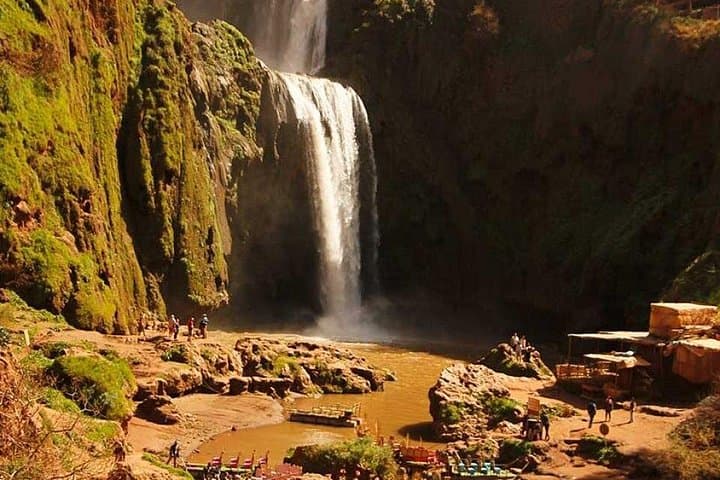
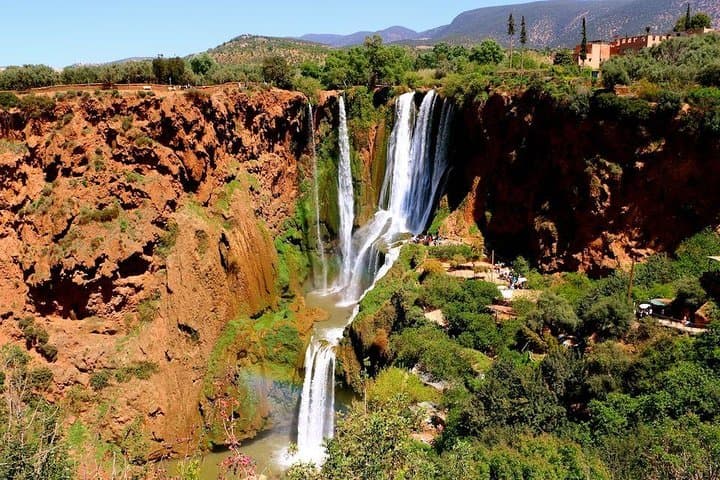

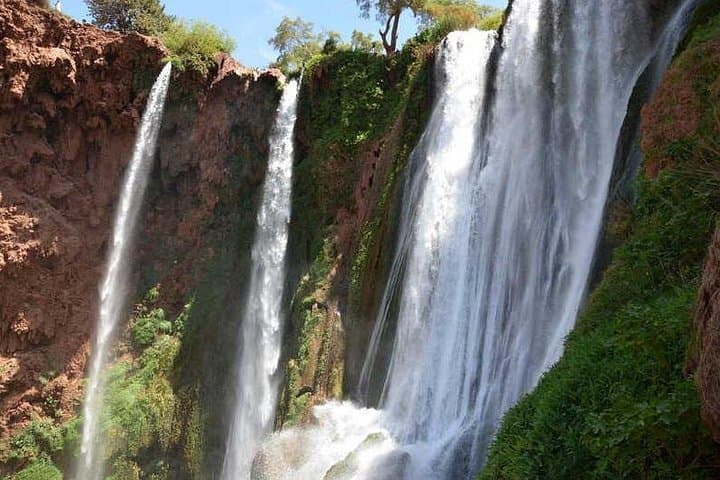
A narrow road loosens Marrakech’s hotel-grid and, after about 150 km of scrub and olive terraces, the valley opens. Water hurls itself from a cliff roughly 330 feet high and the falls fill the gorge with a cool spray that dares you to step closer. Olive trees line the path, their trunks blackened from centuries of harvest, and cafes crawl along the stream where locals serve tagine beside rushing water.
A narrow road loosens Marrakech’s hotel-grid and, after about 150 km of scrub and olive terraces, the valley opens. Water hurls itself from a cliff roughly 330 feet high and the falls fill the gorge with a cool spray that dares you to step closer. Olive trees line the path, their trunks blackened from centuries of harvest, and cafes crawl along the stream where locals serve tagine beside rushing water.
Geologically the falls drain the Moulouya watershed where tectonic uplift and erosion carved a steep gorge through Miocene sedimentary rocks; from the rim the water plunges in segmented curtains. Culturally the site has long been a meeting place for mountain Berber communities—today small boatmen, café owners and guides receive visitors while traditional tagine offers a genuine regional taste.
Expect a well-constructed switchback trail through olive groves down to the gorge, with viewpoints at intervals and optional steps to the base. The air can be humid near the spray; camera lenses fog and birds wheel on the updrafts. Barbary macaques and kingfishers are common sights.
Practical guidance: depart Marrakech early to avoid midday heat, bring closed shoes for rocky, sometimes muddy paths, and carry cash—cafés and local sellers often don’t take cards. Respect local customs: ask before photographing people, and avoid feeding wildlife. If you want to swim, check water flow and local advice first—after heavy rain currents strengthen. The full excursion, including transport and a relaxed lunch by the stream, typically fills a six-hour day before returning to Marrakech around early evening.