THE ADVENTURE COLLECTIVE® · Independent discovery and booking for outdoor travel

A fast-moving day trip from Marrakech through the Atlas foothills brings you to the 110‑meter Ouzoud Waterfalls—boating at the base, close monkey encounters, and village-side argan cooperatives. This guide tells you what to expect, when to go, and how to prepare for a safe, memorable visit.
A fast-moving day trip from Marrakech through the Atlas foothills brings you to the 110‑meter Ouzoud Waterfalls—boating at the base, close monkey encounters, and village-side argan cooperatives. This guide tells you what to expect, when to go, and how to prepare for a safe, memorable visit.
The van leaves Marrakech before dawn, headlights carving a warm line through the Atlas foothills as olive groves and ochre villages slide by. By late morning the air cools and the sound changes—the steady hum of the road replaced by a distant, insistent roar. Then the falls reveal themselves: three tiers of water tumbling 110 meters into a plunge pool that throws spray across the gorge. Tourists shuffle along stone paths, local sellers set up mint tea under olive trees, and Barbary macaques flit from boulder to boulder, unafraid of the human spectacle.
Verified experiences and guided adventures in the surrounding area.
Operated by Atlas Trips Tours · Ouzoud, Béni Mellal-Khénifra
The van leaves Marrakech before dawn, headlights carving a warm line through the Atlas foothills as olive groves and ochre villages slide by. By late morning the air cools and the sound changes—the steady hum of the road replaced by a distant, insistent roar. Then the falls reveal themselves: three tiers of water tumbling 110 meters into a plunge pool that throws spray across the gorge. Tourists shuffle along stone paths, local sellers set up mint tea under olive trees, and Barbary macaques flit from boulder to boulder, unafraid of the human spectacle.
Geology here is blunt and honest. The falls carve through red sandstone and schist; seasonal snowmelt from the High Atlas feeds the river and creates the stepped cascades you see today. For centuries the valleys below Ouzoud supported Berber villages whose terraced fields and stone houses still cling to the slopes. The name Ouzoud comes from the Berber word for “the act of touching,” a nod to the water’s tactile presence in local life.
Culture and commerce meet at the falls. Small cooperatives sell artisanal argan oil and woven goods, and vendors offer freshly grilled trout caught from the river. Guides and drivers—often from the region—share stories about the seasonal festivals, and the hospitality is practical and direct: a strong mint tea, directions for a safe descent, and a recommendation for the best viewpoint.
Practical route info: the main loop around the falls is roughly 1.5–3 km if you include side trails, with an elevation change of about 150–200 m between the rim and the river. Surfaces vary: paved lookouts, packed dirt steps, and slick rocks near the water. A boat ride at the base takes you close to the curtain of water; swimming is possible in calm pockets but current and rocks make caution essential.
Timing matters. Mid-morning to early afternoon offers the fullest flow and warm light for photos; late afternoon reduces crowds but can be cooler in the gorge. Expect a full-day excursion from Marrakech—8–10 hours including round-trip driving—so plan for sun, shade, snacks, and cash for small purchases.
Conservation-minded travelers should resist feeding monkeys, stick to signed paths, and support local cooperatives rather than single-use vendors. With steady footwear, layered clothes, and a willingness to navigate uneven steps, Ouzoud is an accessible, striking day away from the city: a place where water keeps moving—and keeps asking you to pay attention.
moderate.
8–10 hours.
Suitable for travelers with basic fitness who can handle stairs, short steep sections and a 150–200 m elevation change.
Expect about 2.5–3 hours each way depending on traffic and stops; most operators plan a full 8–10 hour day.
Yes in calm pools near the river, but currents and rocks can be hazardous—only swim where locals indicate it’s safe.
Barbary macaques are wild—observe from a distance, avoid feeding them and secure loose items to prevent grabbing.
Most day trips include a stop where you can buy local food (trout, salads, mint tea); bring snacks if you prefer specific dietary options.
The site is family-friendly if participants can manage stairs and uneven paths; consider mobility when planning the descent to the river.
No—boat rides at the base are typically arranged on-site for a small additional fee, weather permitting.
The Ouzoud area has long been home to Berber farming communities; the terraces and water management systems reflect generations of small-scale agriculture.
Trails and local cooperatives rely on sustainable tourism—avoid single-use plastics, stay on paths, and buy directly from village producers to benefit the local economy.
Atlas Trips Tours operates guided outdoor trips and adventures with an emphasis on safety, stewardship, and memorable experiences.
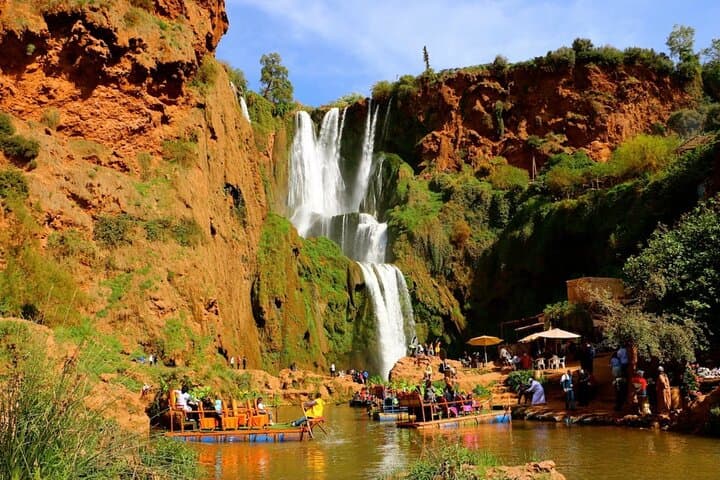
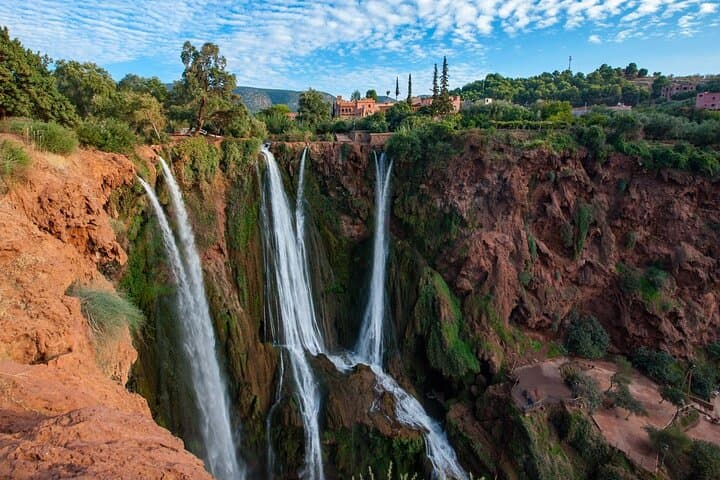
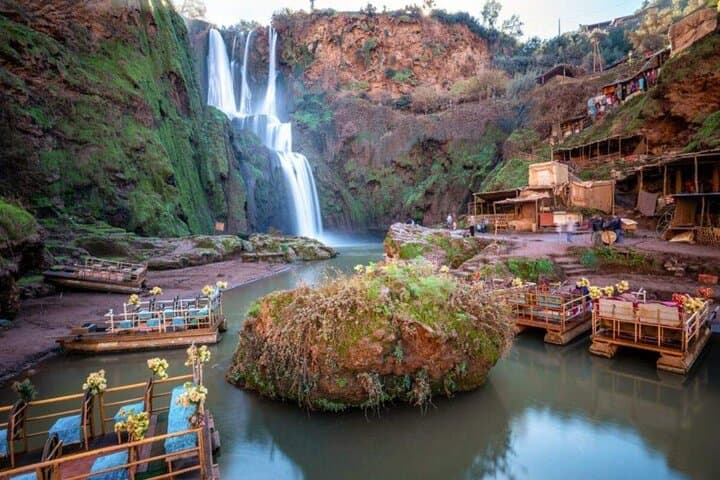
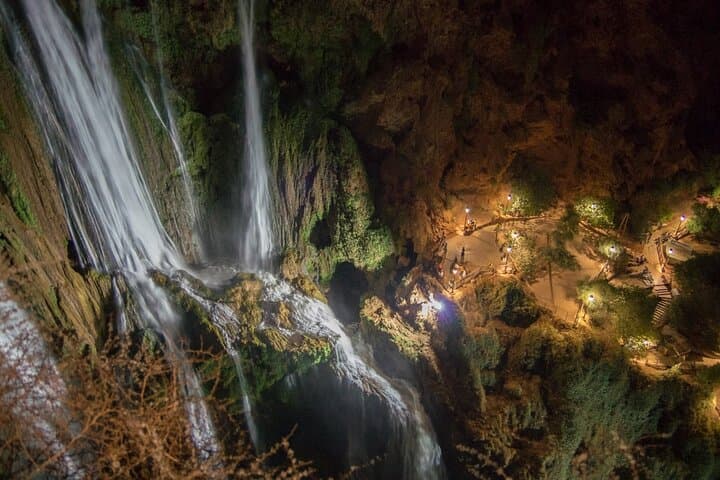
The van leaves Marrakech before dawn, headlights carving a warm line through the Atlas foothills as olive groves and ochre villages slide by. By late morning the air cools and the sound changes—the steady hum of the road replaced by a distant, insistent roar. Then the falls reveal themselves: three tiers of water tumbling 110 meters into a plunge pool that throws spray across the gorge. Tourists shuffle along stone paths, local sellers set up mint tea under olive trees, and Barbary macaques flit from boulder to boulder, unafraid of the human spectacle.
The van leaves Marrakech before dawn, headlights carving a warm line through the Atlas foothills as olive groves and ochre villages slide by. By late morning the air cools and the sound changes—the steady hum of the road replaced by a distant, insistent roar. Then the falls reveal themselves: three tiers of water tumbling 110 meters into a plunge pool that throws spray across the gorge. Tourists shuffle along stone paths, local sellers set up mint tea under olive trees, and Barbary macaques flit from boulder to boulder, unafraid of the human spectacle.
Geology here is blunt and honest. The falls carve through red sandstone and schist; seasonal snowmelt from the High Atlas feeds the river and creates the stepped cascades you see today. For centuries the valleys below Ouzoud supported Berber villages whose terraced fields and stone houses still cling to the slopes. The name Ouzoud comes from the Berber word for “the act of touching,” a nod to the water’s tactile presence in local life.
Culture and commerce meet at the falls. Small cooperatives sell artisanal argan oil and woven goods, and vendors offer freshly grilled trout caught from the river. Guides and drivers—often from the region—share stories about the seasonal festivals, and the hospitality is practical and direct: a strong mint tea, directions for a safe descent, and a recommendation for the best viewpoint.
Practical route info: the main loop around the falls is roughly 1.5–3 km if you include side trails, with an elevation change of about 150–200 m between the rim and the river. Surfaces vary: paved lookouts, packed dirt steps, and slick rocks near the water. A boat ride at the base takes you close to the curtain of water; swimming is possible in calm pockets but current and rocks make caution essential.
Timing matters. Mid-morning to early afternoon offers the fullest flow and warm light for photos; late afternoon reduces crowds but can be cooler in the gorge. Expect a full-day excursion from Marrakech—8–10 hours including round-trip driving—so plan for sun, shade, snacks, and cash for small purchases.
Conservation-minded travelers should resist feeding monkeys, stick to signed paths, and support local cooperatives rather than single-use vendors. With steady footwear, layered clothes, and a willingness to navigate uneven steps, Ouzoud is an accessible, striking day away from the city: a place where water keeps moving—and keeps asking you to pay attention.