THE ADVENTURE COLLECTIVE® · Independent discovery and booking for outdoor travel

Escape Marrakech for a day and trade alleys for spray: a private full‑day tour to Ouzoud Waterfalls delivers 110‑metre falls, olive‑grove hikes, cliff‑top lunches, and close encounters with Barbary macaques. Practical tips on routes, boat rides, and timing help you plan a seamless day trip.
Escape Marrakech for a day and trade alleys for spray: a private full‑day tour to Ouzoud Waterfalls delivers 110‑metre falls, olive‑grove hikes, cliff‑top lunches, and close encounters with Barbary macaques. Practical tips on routes, boat rides, and timing help you plan a seamless day trip.
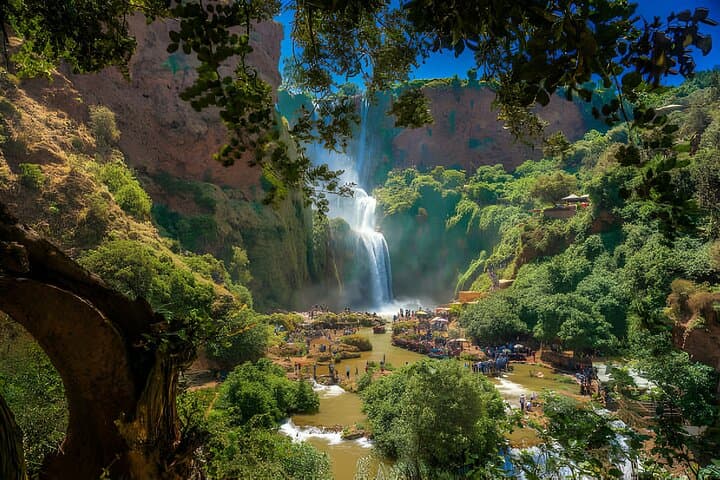
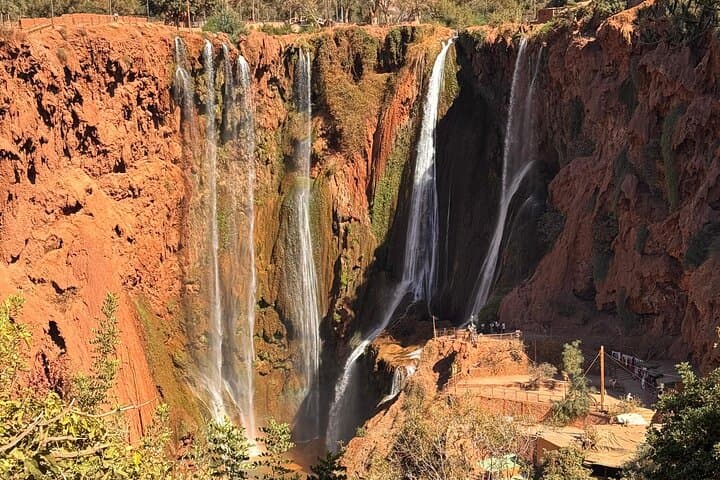
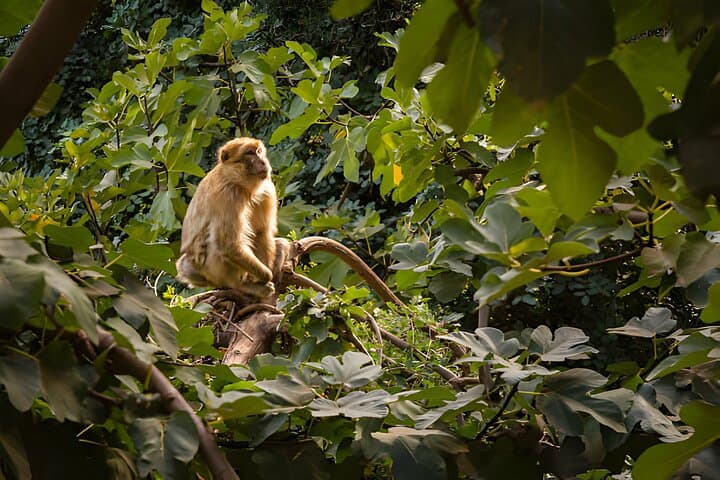
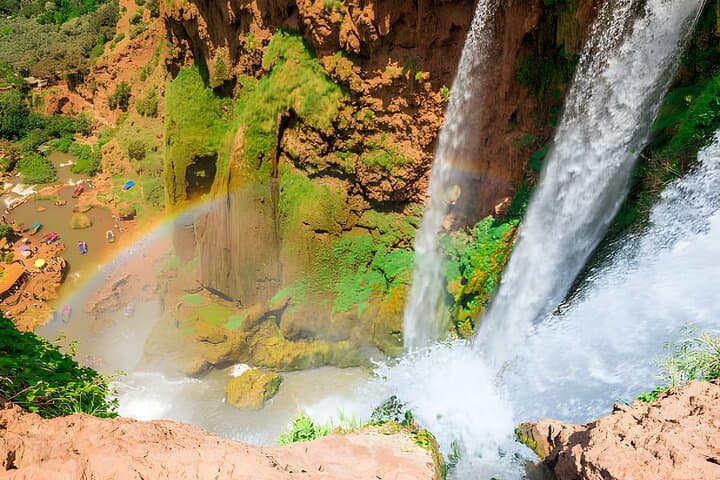
You leave Marrakech before the heat thickens, the city’s ochre walls shrinking behind the van as the road climbs toward the Middle Atlas. Pines and olive terraces replace the ochre, and the first hints of mist arrive on the wind: Ouzoud’s 110‑metre curtain of water is nearby, its spray softening the valley like a cool invitation. By the time you slip out of the vehicle the waterfall has already staked its claim on every sense — a steady thunder, the scent of wet stone, and a scatter of Barbary macaques moving through the trees like curious hosts.
Verified experiences and guided adventures in the surrounding area.
Operated by Marrakech City Travel · Ouzoud (Tanaghmeilt), Béni Mellal-Khénifra
You leave Marrakech before the heat thickens, the city’s ochre walls shrinking behind the van as the road climbs toward the Middle Atlas. Pines and olive terraces replace the ochre, and the first hints of mist arrive on the wind: Ouzoud’s 110‑metre curtain of water is nearby, its spray softening the valley like a cool invitation. By the time you slip out of the vehicle the waterfall has already staked its claim on every sense — a steady thunder, the scent of wet stone, and a scatter of Barbary macaques moving through the trees like curious hosts.
Ouzoud sits in a geologic fold where older schists and younger river deposits meet; over millennia the river has cut a steep amphitheater into the plateau, producing the multi‑tiered drop you see today. The name Ouzoud refers to the grain mills that still dot the top of the falls — traditional stone wheels once powered by the river and now preserved as a living reminder of Berber and Amazigh village life in the Azilal province. Local restaurants perch on cliffsides, offering tagine and mint tea with a view; a short stroll through the olive groves will bring you into contact with small farming communities that have worked this land for generations.
The tour from Marrakech covers roughly 150 km each way (expect about 1h15–1h45 driving per leg depending on traffic). On arrival you can choose short walks that thread switchback stone steps and packed‑dirt trails to the base and back up to the rim; plan for 1–3 km of walking, with intermittent stone stairs and a cumulative elevation change roughly in the 150–250 m range depending on how far you explore. Sections are uneven and can be slippery when wet — good footwear matters.
Practically speaking: pick‑up is usually around 8:30 a.m. for a nine‑hour day; a local guide is commonly available (the tour lists ~EUR 30) and a small boat ride under the falls is affordable (around EUR 2). Carry cash for boat operators, cafés, and tips. Bring 1–2 liters of water, sun protection, and a lightweight rain shell for spray. Be cautious with the macaques — they’re charismatic but wild: keep bags zipped, avoid feeding them, and keep a respectful distance. If you want photos, time your visit for the softer morning light or late afternoon to avoid the harsh midday contrast and capture the falls with people and the valley for scale.
This private full‑day format is straightforward: a comfortable air‑conditioned transfer, optional guided walks, a cliff‑top lunch, and time to wander. It’s a compact way to trade Marrakech’s alleys for a landscape where water keeps moving — and keeps daring you to step closer.
moderate.
8–9 hours.
Suitable for travelers in average fitness—able to walk 1–3 km on uneven paths and manage several dozen stone steps.
The tour covers about 150 km each way; expect roughly 1h15–1h45 driving per leg depending on traffic and stops.
Boat rides are not typically included in the base tour price; they cost about EUR 2 per person and are paid locally in cash.
Feeding macaques is discouraged for their health and safety—keep food secured and observe from a distance.
Yes—there are basic public toilets and several cliff‑side restaurants offering tagine and tea; bring small change.
The paths include stone steps and short steep stretches; they’re manageable for most visitors but require steady footing and moderate fitness.
A local guide (tour lists ~EUR 30) enhances cultural context and navigation of trails but is optional if you prefer to explore independently.
Traditional grain mills powered by the river are visible at the top of the falls—these mills give Ouzoud its name and reflect long‑standing local agricultural practices.
Tourism supports village incomes but brings pressure on trails and wildlife; stick to paths, avoid feeding animals, and carry out waste to minimize impact.
Marrakech City Travel operates guided outdoor trips and adventures with an emphasis on safety, stewardship, and memorable experiences.
You leave Marrakech before the heat thickens, the city’s ochre walls shrinking behind the van as the road climbs toward the Middle Atlas. Pines and olive terraces replace the ochre, and the first hints of mist arrive on the wind: Ouzoud’s 110‑metre curtain of water is nearby, its spray softening the valley like a cool invitation. By the time you slip out of the vehicle the waterfall has already staked its claim on every sense — a steady thunder, the scent of wet stone, and a scatter of Barbary macaques moving through the trees like curious hosts.
You leave Marrakech before the heat thickens, the city’s ochre walls shrinking behind the van as the road climbs toward the Middle Atlas. Pines and olive terraces replace the ochre, and the first hints of mist arrive on the wind: Ouzoud’s 110‑metre curtain of water is nearby, its spray softening the valley like a cool invitation. By the time you slip out of the vehicle the waterfall has already staked its claim on every sense — a steady thunder, the scent of wet stone, and a scatter of Barbary macaques moving through the trees like curious hosts.
Ouzoud sits in a geologic fold where older schists and younger river deposits meet; over millennia the river has cut a steep amphitheater into the plateau, producing the multi‑tiered drop you see today. The name Ouzoud refers to the grain mills that still dot the top of the falls — traditional stone wheels once powered by the river and now preserved as a living reminder of Berber and Amazigh village life in the Azilal province. Local restaurants perch on cliffsides, offering tagine and mint tea with a view; a short stroll through the olive groves will bring you into contact with small farming communities that have worked this land for generations.
The tour from Marrakech covers roughly 150 km each way (expect about 1h15–1h45 driving per leg depending on traffic). On arrival you can choose short walks that thread switchback stone steps and packed‑dirt trails to the base and back up to the rim; plan for 1–3 km of walking, with intermittent stone stairs and a cumulative elevation change roughly in the 150–250 m range depending on how far you explore. Sections are uneven and can be slippery when wet — good footwear matters.
Practically speaking: pick‑up is usually around 8:30 a.m. for a nine‑hour day; a local guide is commonly available (the tour lists ~EUR 30) and a small boat ride under the falls is affordable (around EUR 2). Carry cash for boat operators, cafés, and tips. Bring 1–2 liters of water, sun protection, and a lightweight rain shell for spray. Be cautious with the macaques — they’re charismatic but wild: keep bags zipped, avoid feeding them, and keep a respectful distance. If you want photos, time your visit for the softer morning light or late afternoon to avoid the harsh midday contrast and capture the falls with people and the valley for scale.
This private full‑day format is straightforward: a comfortable air‑conditioned transfer, optional guided walks, a cliff‑top lunch, and time to wander. It’s a compact way to trade Marrakech’s alleys for a landscape where water keeps moving — and keeps daring you to step closer.