THE ADVENTURE COLLECTIVE® · Independent discovery and booking for outdoor travel

A full-day private trip from Marrakech delivers Ouzoud’s 110m cascades, olive-slung viewpoints and village culture in one accessible outing. Expect stepped limestone falls, steep stairs, and options to boat or swim when conditions allow.
A full-day private trip from Marrakech delivers Ouzoud’s 110m cascades, olive-slung viewpoints and village culture in one accessible outing. Expect stepped limestone falls, steep stairs, and options to boat or swim when conditions allow.
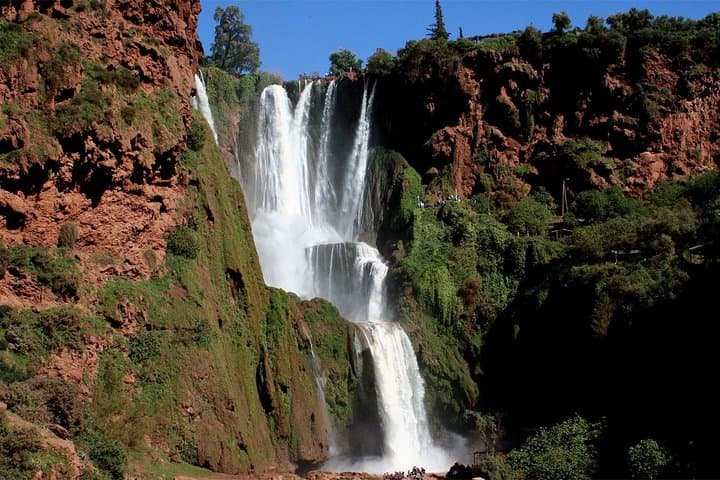
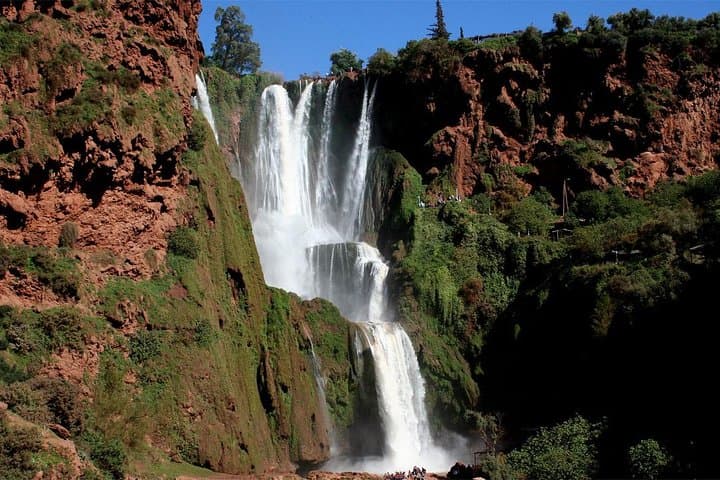
By midmorning the driver eases the van onto the dusty turnout above the gorge and the first sound arrives — a distant, full-bodied roar that grows as you walk toward the lip. Sunlight slices through olive branches and, at the cliff’s edge, water drops in tiers for roughly 110 meters, catching light like strewn coins. The group moves quietly; vendors call from shaded terraces and children wave from stone houses in the village a short scramble uphill.
Verified experiences and guided adventures in the surrounding area.
Operated by Morocco Sahara Desert Travel · Ouzoud, Azilal Province
By midmorning the driver eases the van onto the dusty turnout above the gorge and the first sound arrives — a distant, full-bodied roar that grows as you walk toward the lip. Sunlight slices through olive branches and, at the cliff’s edge, water drops in tiers for roughly 110 meters, catching light like strewn coins. The group moves quietly; vendors call from shaded terraces and children wave from stone houses in the village a short scramble uphill.
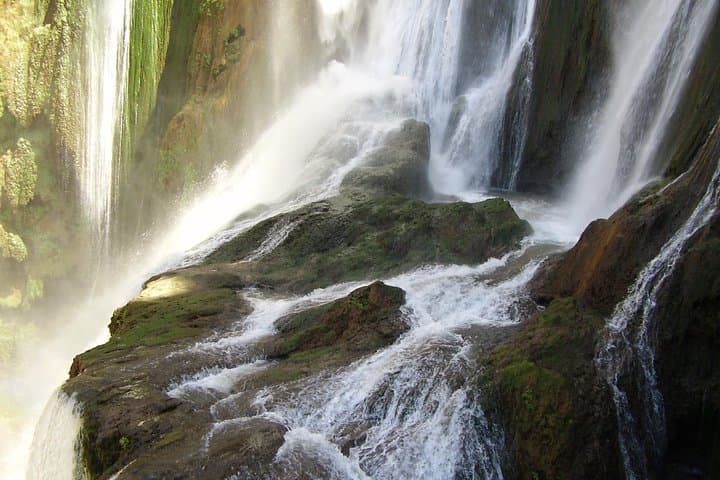
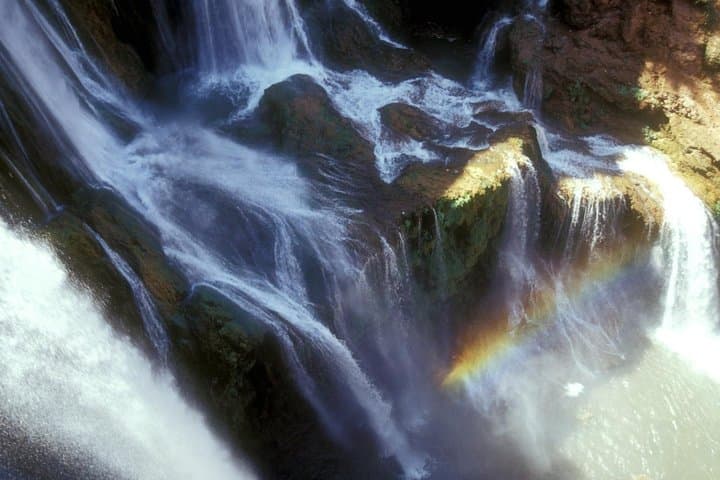
Ouzoud’s falls sit where the El-Abid River cuts a rosier band through the Atlas foothills. The geology here is blunt and readable: river-sculpted limestone and eroded sandstone have given way to stepped ledges, so the water does not plunge in a single ribbon but tumbles in curtains and plunge pools. Locals — many of Berber heritage — have farmed olive groves on the slopes for generations. Old watermills and narrow paths point to a working landscape that still uses the river’s pull.
Culturally, a day at Ouzoud is as much about people as the falls. Small cafés perch at viewpoints; families set out picnics of fresh flatbread, olives and mint tea. Guides arrange short boat rides to the base when flows are gentle, and you’ll find the occasional mule track that once carried grain. Conservation efforts in the area focus on preventing litter and managing tourist pressure; some local associations now run cleanup days and encourage low-impact visits.
Practicalities make or break the day. The typical loop around the falls is short — plan on 2–4 km of walking with many stairs and several viewpoint detours — but steps are steep and uneven; expect vertical changes of roughly 100–150 meters depending on how low you go. Trails range from packed earth and flagged stones to rocky, wet scrambles near the water. Bring good traction on your shoes and a lightweight daypack.
Timing matters. If you want quieter vantage points and softer light for photos, leave Marrakech before dawn and aim to arrive between 09:00–10:00; late afternoon draws the largest crowds. Summer heat can be intense; spring and fall offer milder hiking conditions and greener banks. Swimming is possible in some pools when the current is low, but check with your guide — the river can shift fast.
This private day trip from Marrakech typically includes hotel pickup, door-to-door transport and a few hours to explore — a practical way to see Morocco’s highest waterfalls without an overnight. Pack water, a rain layer in shoulder seasons, and leave time to sip mint tea on a terrace while the falls keep their slow, relentless work down below.
moderate.
8–12 hours.
Moderate fitness for 2–4 km of walking over uneven ground and multiple stair sections; comfortable on short uphill and downhill stretches.
Pick-up from Marrakech is typically 2.5–3 hours each way depending on traffic; the full day tends to be 8–12 hours door-to-door.
This private day trip usually covers transport only; any local park fees, boat rides or optional guide services at Ouzoud are paid on site.
Swimming is possible in calm, seasonal pools but currents can be deceptive — always check conditions with a guide and avoid swimming after heavy rain.
Families and older travelers can join, but note there are steep, uneven stairs; if mobility is limited, ask about viewpoint-only options near the upper terraces.
Yes — cafés and small restaurants near the main viewpoints serve mint tea, tagines and simple lunches; bringing snacks is still recommended for the walk.
Expect to see Barbary macaques around the falls and river birds such as kingfishers; do not feed or attempt to touch wild animals.
Ouzoud sits in the Atlas foothills and grew as a milling and olive-farming area where small watermills harnessed the El-Abid River; the falls became a popular visitor site in the 20th century.
Local groups work to manage litter and visitor flow; avoid single-use plastics and follow marked trails to protect riparian plants and nesting birds.
Morocco Sahara Desert Travel operates guided outdoor trips and adventures with an emphasis on safety, stewardship, and memorable experiences.
By midmorning the driver eases the van onto the dusty turnout above the gorge and the first sound arrives — a distant, full-bodied roar that grows as you walk toward the lip. Sunlight slices through olive branches and, at the cliff’s edge, water drops in tiers for roughly 110 meters, catching light like strewn coins. The group moves quietly; vendors call from shaded terraces and children wave from stone houses in the village a short scramble uphill.
By midmorning the driver eases the van onto the dusty turnout above the gorge and the first sound arrives — a distant, full-bodied roar that grows as you walk toward the lip. Sunlight slices through olive branches and, at the cliff’s edge, water drops in tiers for roughly 110 meters, catching light like strewn coins. The group moves quietly; vendors call from shaded terraces and children wave from stone houses in the village a short scramble uphill.
Ouzoud’s falls sit where the El-Abid River cuts a rosier band through the Atlas foothills. The geology here is blunt and readable: river-sculpted limestone and eroded sandstone have given way to stepped ledges, so the water does not plunge in a single ribbon but tumbles in curtains and plunge pools. Locals — many of Berber heritage — have farmed olive groves on the slopes for generations. Old watermills and narrow paths point to a working landscape that still uses the river’s pull.
Culturally, a day at Ouzoud is as much about people as the falls. Small cafés perch at viewpoints; families set out picnics of fresh flatbread, olives and mint tea. Guides arrange short boat rides to the base when flows are gentle, and you’ll find the occasional mule track that once carried grain. Conservation efforts in the area focus on preventing litter and managing tourist pressure; some local associations now run cleanup days and encourage low-impact visits.
Practicalities make or break the day. The typical loop around the falls is short — plan on 2–4 km of walking with many stairs and several viewpoint detours — but steps are steep and uneven; expect vertical changes of roughly 100–150 meters depending on how low you go. Trails range from packed earth and flagged stones to rocky, wet scrambles near the water. Bring good traction on your shoes and a lightweight daypack.
Timing matters. If you want quieter vantage points and softer light for photos, leave Marrakech before dawn and aim to arrive between 09:00–10:00; late afternoon draws the largest crowds. Summer heat can be intense; spring and fall offer milder hiking conditions and greener banks. Swimming is possible in some pools when the current is low, but check with your guide — the river can shift fast.
This private day trip from Marrakech typically includes hotel pickup, door-to-door transport and a few hours to explore — a practical way to see Morocco’s highest waterfalls without an overnight. Pack water, a rain layer in shoulder seasons, and leave time to sip mint tea on a terrace while the falls keep their slow, relentless work down below.