THE ADVENTURE COLLECTIVE® · Independent discovery and booking for outdoor travel

A full-day escape from Marrakech to Ouzoud Falls brings dramatic 110m cascades, riverside hikes, optional boat rides, and cheeky Barbary macaques. This guide covers what to expect on the road, how to prepare, and where to get the best views.
A full-day escape from Marrakech to Ouzoud Falls brings dramatic 110m cascades, riverside hikes, optional boat rides, and cheeky Barbary macaques. This guide covers what to expect on the road, how to prepare, and where to get the best views.
You arrive as the valley wakes: a ribbon of road peels away from Marrakech and opens into olive-splashed hills, the Atlas Mountains pressing in like a promise. After a two- to three-hour drive, the canyon announces itself with thunder — the falls arrive before the village does. Water drops in columns, white against red rock, and the air tastes of spray and crushed earth. Barbary macaques watch from terraces and the old stone mills keep time with the current.
Verified experiences and guided adventures in the surrounding area.
Operated by Merzouga desert experience · Ouzoud, Béni Mellal-Khénifra
You arrive as the valley wakes: a ribbon of road peels away from Marrakech and opens into olive-splashed hills, the Atlas Mountains pressing in like a promise. After a two- to three-hour drive, the canyon announces itself with thunder — the falls arrive before the village does. Water drops in columns, white against red rock, and the air tastes of spray and crushed earth. Barbary macaques watch from terraces and the old stone mills keep time with the current.
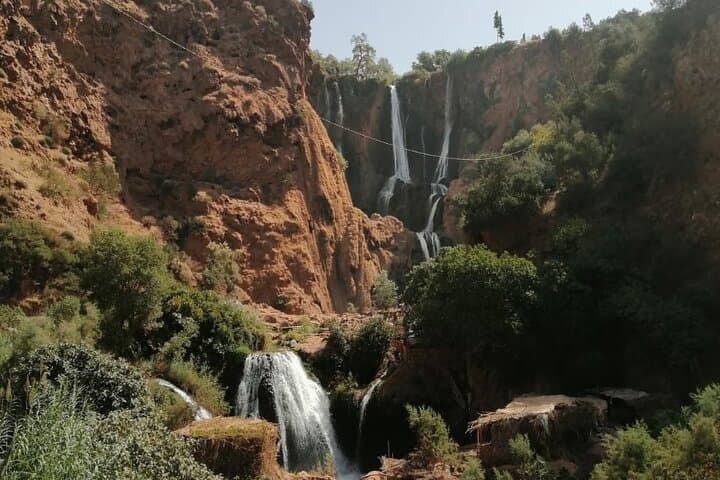
Ouzoud is one of Morocco’s most striking waterfalls, plunging roughly 110 metres in three main tiers into a narrow gorge carved from Miocene-era sedimentary rock. The site has been shaped for centuries by small agrarian communities: olive groves on steep terraces, ancient mills powered by diverted streams, and pathways that link village life to the river. European travelers first popularized the falls in the 19th century, but the landscape remains guided by local hands — family-run restaurants, souvenir stalls, and the occasional mule track.
Geology and culture collide here. The cascade’s plunge pool has hollowed the canyon, while seasonal flows paint different characters on the falls; in spring they roar, in late summer they reduce to a silver ribbon. The surrounding cliffs host raptors and hedgerows; nearby villages are predominantly Berber, where hospitality is practiced with steep tea-pouring ceremony and tagine on low tables.
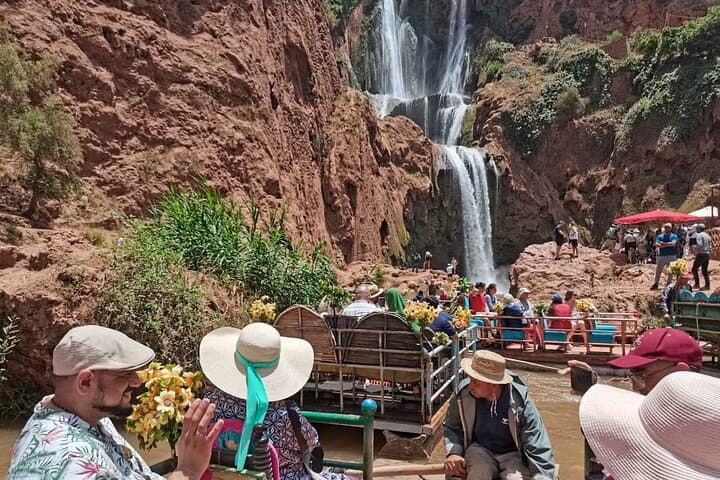
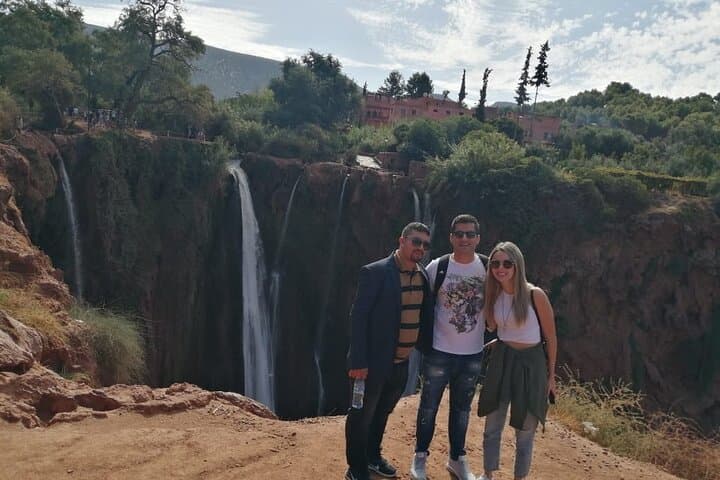
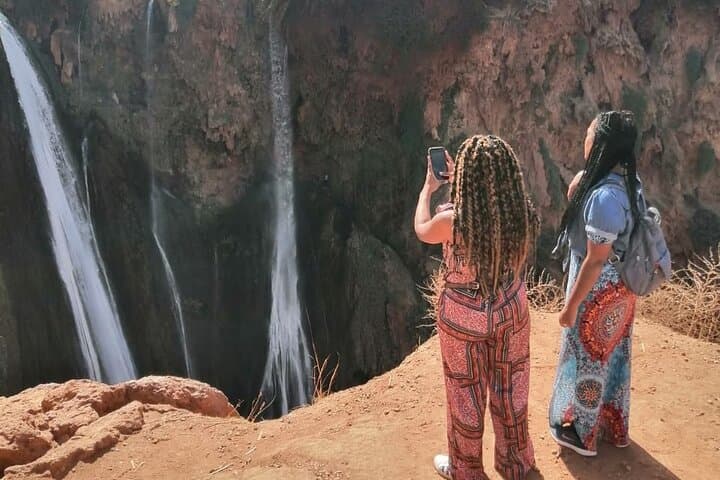
Practically, the day unfolds simply. Most operators collect you from Marrakech before sunrise, take the scenic route through foothills and olive farms, and leave four hours for exploration at Ouzoud. You can stick to an easy riverside loop with paved viewpoints, descend stone steps for closer views, or take a steeper track that gains the canyon rim for panoramic shots. Optional wooden boat rides take you near the lower cascades when water levels permit.
Tips that matter: wear grippy shoes — the stairs and river rocks get slippery; bring at least 1–2 liters of water and a sun hat for exposed viewpoints; keep a respectful distance from monkeys — they’re bold and can grab food; and allow time for a leisurely lunch at a terrace restaurant where mint tea and grilled trout are local favorites.
For photographers the light is best earlier and later in the day; midday spray can wash out contrast. Pack a light rain shell, a small towel, and cash for village purchases. Whether you come for the hike, the boat, or to watch the monkeys, Ouzoud delivers a compact, all-day taste of Morocco’s wild and cultivated landscapes.
moderate.
10–11 hours.
Moderate fitness: comfortable with stairs, short steep sections, and a few hours on uneven terrain.
Expect roughly 2.5–3 hours each way depending on traffic — the tour itinerary typically allocates three hours for the drive to allow for scenic stops.
No technical climbing is required, but paths include many stone steps and occasional steep stretches; set aside comfortable shoes and average fitness is sufficient.
Yes — optional wooden boat rides are available near the lower cascades when water levels are safe; these usually cost extra and depend on river conditions.
Barbary macaques are wild and can be bold; do not feed them, keep a respectful distance, and secure food and loose items to avoid snatching.
The itinerary includes a sit-down lunch at a restaurant overlooking the falls; confirm details with your operator at booking for dietary needs.
Pickup and transport may be wheelchair accessible, but the falls’ viewpoints and paths have stairs and uneven sections that limit accessibility on site.
Ouzoud’s mills and terraces reflect centuries of small-scale agriculture; the falls have been a local gathering place long before tourism expanded in the 19th century.
Visitors should avoid feeding wildlife, pack out trash, and support local eateries that use sustainable water and waste practices to minimize impact.
Merzouga desert experience operates guided outdoor trips and adventures with an emphasis on safety, stewardship, and memorable experiences.
You arrive as the valley wakes: a ribbon of road peels away from Marrakech and opens into olive-splashed hills, the Atlas Mountains pressing in like a promise. After a two- to three-hour drive, the canyon announces itself with thunder — the falls arrive before the village does. Water drops in columns, white against red rock, and the air tastes of spray and crushed earth. Barbary macaques watch from terraces and the old stone mills keep time with the current.
You arrive as the valley wakes: a ribbon of road peels away from Marrakech and opens into olive-splashed hills, the Atlas Mountains pressing in like a promise. After a two- to three-hour drive, the canyon announces itself with thunder — the falls arrive before the village does. Water drops in columns, white against red rock, and the air tastes of spray and crushed earth. Barbary macaques watch from terraces and the old stone mills keep time with the current.
Ouzoud is one of Morocco’s most striking waterfalls, plunging roughly 110 metres in three main tiers into a narrow gorge carved from Miocene-era sedimentary rock. The site has been shaped for centuries by small agrarian communities: olive groves on steep terraces, ancient mills powered by diverted streams, and pathways that link village life to the river. European travelers first popularized the falls in the 19th century, but the landscape remains guided by local hands — family-run restaurants, souvenir stalls, and the occasional mule track.
Geology and culture collide here. The cascade’s plunge pool has hollowed the canyon, while seasonal flows paint different characters on the falls; in spring they roar, in late summer they reduce to a silver ribbon. The surrounding cliffs host raptors and hedgerows; nearby villages are predominantly Berber, where hospitality is practiced with steep tea-pouring ceremony and tagine on low tables.
Practically, the day unfolds simply. Most operators collect you from Marrakech before sunrise, take the scenic route through foothills and olive farms, and leave four hours for exploration at Ouzoud. You can stick to an easy riverside loop with paved viewpoints, descend stone steps for closer views, or take a steeper track that gains the canyon rim for panoramic shots. Optional wooden boat rides take you near the lower cascades when water levels permit.
Tips that matter: wear grippy shoes — the stairs and river rocks get slippery; bring at least 1–2 liters of water and a sun hat for exposed viewpoints; keep a respectful distance from monkeys — they’re bold and can grab food; and allow time for a leisurely lunch at a terrace restaurant where mint tea and grilled trout are local favorites.
For photographers the light is best earlier and later in the day; midday spray can wash out contrast. Pack a light rain shell, a small towel, and cash for village purchases. Whether you come for the hike, the boat, or to watch the monkeys, Ouzoud delivers a compact, all-day taste of Morocco’s wild and cultivated landscapes.