THE ADVENTURE COLLECTIVE® · Independent discovery and booking for outdoor travel

A long day trip from Marrakech, the Ouzoud Waterfalls deliver towering drops, riverside mills and lively wildlife. This guide covers what to expect on the walk, local history, and practical tips for a full-day visit.
A long day trip from Marrakech, the Ouzoud Waterfalls deliver towering drops, riverside mills and lively wildlife. This guide covers what to expect on the walk, local history, and practical tips for a full-day visit.
Book with Majestic Spring Tours
Book directly with Majestic Spring Tours for the best rates and real-time scheduling.
Reserve NowVerified experiences and guided adventures in the surrounding area.
Operated by Majestic Spring Tours · Ouzoud, Azilal Province
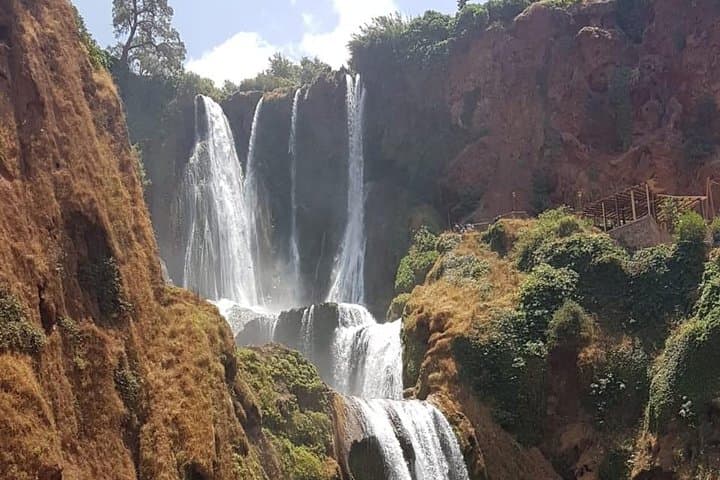
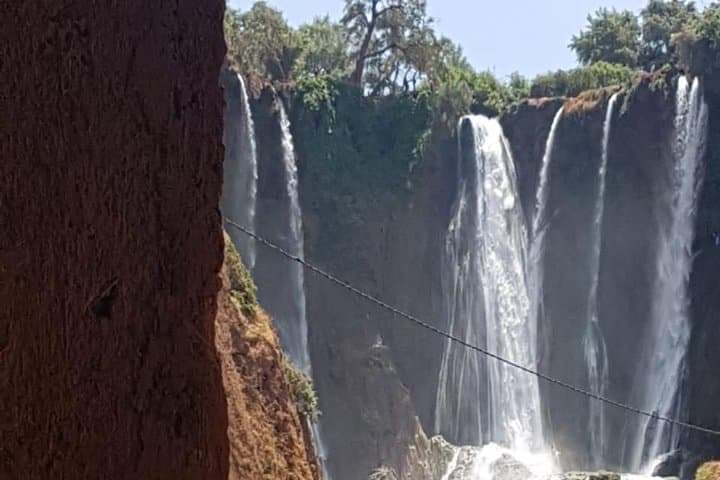
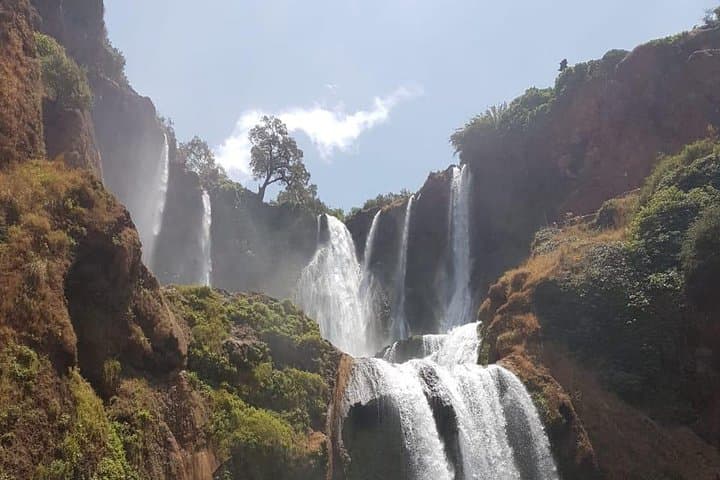
Morning light strips the palm-filled plains as the minivan winds away from Marrakech toward the craggy shoulders of the Middle Atlas. You climb through olive terraces and scattered Berber hamlets until the canyon opens and the falls call: a thunderous curtain dropping roughly 360 feet into a stepped gorge. Spray tastes of river and rock; the path threads past old stone mills and terraces where water still turns grinding stones, and Barbary macaques appear above the falls like sentries watching the visitors below. Geologically the falls trace a limestone escarpment carved by the El-Abid River, its tiers shaped over millennia into plunge pools and ledges that catch light at different hours. Culturally the valley has long been worked by local Amazigh communities; the hand-built mills and riverside cafés reflect a simple, agrarian rhythm that contrasts with the quick bustle of Marrakech. Expect a day that mixes easy walking with stair-descents: the main loop to viewpoints is under 5 miles total but includes many stone steps and uneven trails. Bring steady shoes, water, and a sense of patience for narrow, crowded viewpoints at peak hours. Lunch is typically at a café overlooking the main drop (own expense); local olive oil and tagine are common options. Practical timing matters: arrive earlier in the day to find quieter viewpoints and softer light for photos; late afternoon softens the glare but can make the return drive feel long. The standard day tour includes hotel pickup and drop-off—plan for a 12–13 hour outing and leave room in your itinerary for a relaxed evening back in Marrakech.
moderate.
12–13 hours.
Moderate — should be comfortable walking 3–8 miles with stairs and uneven terrain; endurance for a long day required
Expect about 2.5–3 hours each way depending on traffic and stops; tours typically include hotel pickup and drop-off.
The main viewpoints are accessible by well-worn paths, but there are many steps; consider mobility and avoid if you have serious joint or back problems.
Most standard day tours do not include lunch or optional boat rides—bring cash for meals and services at the site.
Yes, local guides and boat operators are available on-site; agree on prices up front and avoid feeding wildlife.
The falls sit in a landscape long inhabited by Amazigh (Berber) communities; water-driven mills along the river reflect centuries of small-scale olive and grain processing.
High visitor numbers can strain trails and wildlife; stick to marked paths, don’t feed animals, and take rubbish back to reduce impact.
Majestic Spring Tours operates guided outdoor trips and adventures with an emphasis on safety, stewardship, and memorable experiences.

Book with Majestic Spring Tours
Book directly with Majestic Spring Tours for the best rates and real-time scheduling.
Reserve Now