THE ADVENTURE COLLECTIVE® · Independent discovery and booking for outdoor travel

A full-day escape from Marrakech that combines a three-hour drive into the High Atlas foothills with a moderate hike, a boat ride across the falls’ basin and a traditional Berber lunch. Ouzoud’s 110-meter cascades reward early arrivals with quieter viewpoints, cool plunge pools and lively wildlife.
A full-day escape from Marrakech that combines a three-hour drive into the High Atlas foothills with a moderate hike, a boat ride across the falls’ basin and a traditional Berber lunch. Ouzoud’s 110-meter cascades reward early arrivals with quieter viewpoints, cool plunge pools and lively wildlife.
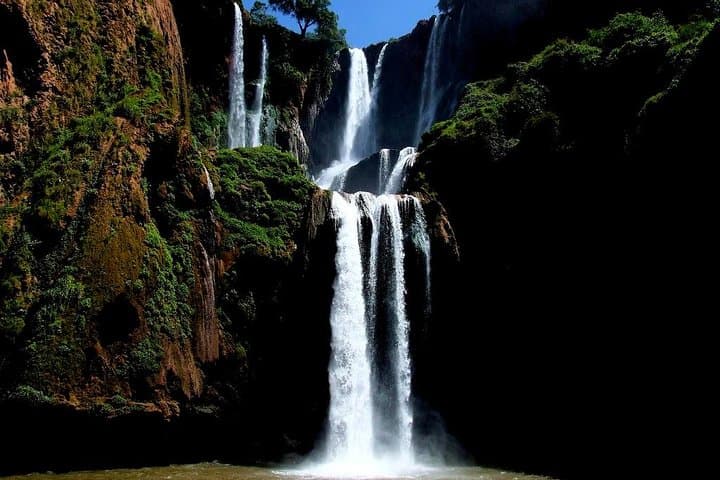
The minibus peels away from the ochre of Marrakech before dawn, headlights cutting through a ribbon of dust and early light. As the road climbs the High Atlas foothills, the air changes—cooler, scented with olive leaves—and the village roofs grow smaller. Then the falls announce themselves: a white curtain, sudden and loud, spilling off a cliff and throwing spray into terraces of olives. You stand on a stone staircase carved into the ravine, the river daring you to come closer, and the falls reveal why Moroccans call them Cascades d’Ouzoud—water of the olive trees.
Verified experiences and guided adventures in the surrounding area.
Operated by Great Travel Morocco · Ouzoud, Azilal Province
The minibus peels away from the ochre of Marrakech before dawn, headlights cutting through a ribbon of dust and early light. As the road climbs the High Atlas foothills, the air changes—cooler, scented with olive leaves—and the village roofs grow smaller. Then the falls announce themselves: a white curtain, sudden and loud, spilling off a cliff and throwing spray into terraces of olives. You stand on a stone staircase carved into the ravine, the river daring you to come closer, and the falls reveal why Moroccans call them Cascades d’Ouzoud—water of the olive trees.
Geology here is plain and direct. The El Abid river has carved a 110-meter drop through limestone and clay over millennia, cutting a wedge into a high plateau at roughly 1,060 meters altitude. Human history threads through that geology: old water mills still turn where channels divert flow, and Berber communities in the valley have farmed olives and tended terraces for generations. Local cafés and restaurants line the rim, their terraces geared toward rinsing eyes and appetites with the same view.
The experience is quietly varied: a village walk past craft stalls, a two-hour guided hike through shaded scrub and stone paths, a short boat crossing across the basin, and a leisurely lunch of tagine and fresh bread. Monkeys—Barbary macaques—call the rocks home and birds ride the spray; both are part of the scene but must be treated responsibly. The tour packages a cultural encounter as much as a natural one, with friendly local guides pointing out mills, viewpoints and the best plunge pools.
Practicals: the drive from Marrakech takes about three hours each way (expect 150–180 km depending on route), so it’s a full 8–9 hour day. The hike is moderate—stone steps, loose scree and several short steep sections—so bring sturdy footwear. Swimming in the pools below the falls is possible in warmer months but check local conditions and watch for currents at the base. Cash is king for small restaurants and boatmen; there’s limited card acceptance in the village.
Timing matters: arrive early to avoid coach crowds and get the calm viewpoints; late afternoon light softens the spray for photos. Respect local customs—modest dress in village areas—and do not feed the macaques. For a balanced day, pack water (at least 2 liters), sun protection, and a light waterproof layer for the spray. Ouzoud is straightforward to visit yet honest in its rewards: loud water, olive-scented air, and a routed path that invites you to slow down and step into a cooler, wetter corner of Morocco.
moderate.
8–9 hours.
You should be comfortable walking 3–5 miles on uneven ground and climbing stairs; basic cardio and leg strength required
Expect about three hours each way depending on traffic and exact pickup location—plan for a full 8–9 hour day.
Yes, there are swimming spots in the pools below the falls, but currents and water levels vary—follow local guidance and avoid risky areas.
The site has many stone steps and uneven paths; it’s not well-suited to wheelchair users or those with significant mobility issues.
Most day tours include a traditional lunch—commonly tagine with local vegetables or meat, bread and tea—served on a terrace with views of the falls.
Barbary macaques are commonly seen, but feeding them is discouraged and can lead to aggressive behavior; keep food stored and cameras ready.
You can explore independently, but a local guide adds context, points out less obvious viewpoints and helps navigate trails and boat options.
Local Berber communities have farmed the olive terraces and operated water mills here for centuries; the name Ouzoud references the olive groves that frame the falls.
Visitors are asked not to feed wildlife, to stay on marked paths to protect vegetation and to support local businesses that fund trail maintenance.
Great Travel Morocco operates guided outdoor trips and adventures with an emphasis on safety, stewardship, and memorable experiences.


The minibus peels away from the ochre of Marrakech before dawn, headlights cutting through a ribbon of dust and early light. As the road climbs the High Atlas foothills, the air changes—cooler, scented with olive leaves—and the village roofs grow smaller. Then the falls announce themselves: a white curtain, sudden and loud, spilling off a cliff and throwing spray into terraces of olives. You stand on a stone staircase carved into the ravine, the river daring you to come closer, and the falls reveal why Moroccans call them Cascades d’Ouzoud—water of the olive trees.
The minibus peels away from the ochre of Marrakech before dawn, headlights cutting through a ribbon of dust and early light. As the road climbs the High Atlas foothills, the air changes—cooler, scented with olive leaves—and the village roofs grow smaller. Then the falls announce themselves: a white curtain, sudden and loud, spilling off a cliff and throwing spray into terraces of olives. You stand on a stone staircase carved into the ravine, the river daring you to come closer, and the falls reveal why Moroccans call them Cascades d’Ouzoud—water of the olive trees.
Geology here is plain and direct. The El Abid river has carved a 110-meter drop through limestone and clay over millennia, cutting a wedge into a high plateau at roughly 1,060 meters altitude. Human history threads through that geology: old water mills still turn where channels divert flow, and Berber communities in the valley have farmed olives and tended terraces for generations. Local cafés and restaurants line the rim, their terraces geared toward rinsing eyes and appetites with the same view.
The experience is quietly varied: a village walk past craft stalls, a two-hour guided hike through shaded scrub and stone paths, a short boat crossing across the basin, and a leisurely lunch of tagine and fresh bread. Monkeys—Barbary macaques—call the rocks home and birds ride the spray; both are part of the scene but must be treated responsibly. The tour packages a cultural encounter as much as a natural one, with friendly local guides pointing out mills, viewpoints and the best plunge pools.
Practicals: the drive from Marrakech takes about three hours each way (expect 150–180 km depending on route), so it’s a full 8–9 hour day. The hike is moderate—stone steps, loose scree and several short steep sections—so bring sturdy footwear. Swimming in the pools below the falls is possible in warmer months but check local conditions and watch for currents at the base. Cash is king for small restaurants and boatmen; there’s limited card acceptance in the village.
Timing matters: arrive early to avoid coach crowds and get the calm viewpoints; late afternoon light softens the spray for photos. Respect local customs—modest dress in village areas—and do not feed the macaques. For a balanced day, pack water (at least 2 liters), sun protection, and a light waterproof layer for the spray. Ouzoud is straightforward to visit yet honest in its rewards: loud water, olive-scented air, and a routed path that invites you to slow down and step into a cooler, wetter corner of Morocco.