THE ADVENTURE COLLECTIVE® · Independent discovery and booking for outdoor travel

Escape Marrakech for a full-day trip to the Cascades d'Ouzoud: a 2½-hour drive leads to 120+ meter falls, a riverside lunch, short hikes and close encounters with Barbary macaques. This guide covers what to expect, when to go and how to prepare.
Escape Marrakech for a full-day trip to the Cascades d'Ouzoud: a 2½-hour drive leads to 120+ meter falls, a riverside lunch, short hikes and close encounters with Barbary macaques. This guide covers what to expect, when to go and how to prepare.
You step out of the air-conditioned van and the first sound is the water — not a whisper but a steady, expectation-setting roar. The trail from the village of Ouzoud drops toward a bowl of terraces and olive trees, and then, at a turn in the path, the falls reveal themselves: a column of water plunging more than 120 meters, throwing spray that pins a permanent half-arc of light across the gorge.
Verified experiences and guided adventures in the surrounding area.
Operated by DEEP SOUTH TRAVEL · Ouzoud, Azilal
You step out of the air-conditioned van and the first sound is the water — not a whisper but a steady, expectation-setting roar. The trail from the village of Ouzoud drops toward a bowl of terraces and olive trees, and then, at a turn in the path, the falls reveal themselves: a column of water plunging more than 120 meters, throwing spray that pins a permanent half-arc of light across the gorge.
This is a day designed around contrasts. Marrakech’s alleys and call to prayer give way to high-Atlas foothills and a river that seems intent on wiping the city noise clean. Geologically, Ouzoud sits where soft sedimentary beds have been cut by millennia of running water, carving stepped ledges that send the cascade in multiple ribbons. Culturally, the area is shaped by Berber villages and riverside cafés where locals still grind olives and orange groves scent the air.
Wildlife is part of the scene. Groups of Barbary macaques move like punctuation marks through the trees, inquisitive and territorial; kingfishers and wagtails patrol the river margins. Local guides know where the monkeys gather, how to observe them without escalating curiosity into conflict, and they point out old stone mills half-hidden in the vegetation — reminders that this place has been worked and lived in for generations.
The itinerary is straightforward: roughly a 2½-hour drive from Marrakech (about 170 km) each way, plus a guided hike at the falls and a riverside lunch. The route down to the main viewpoint is paved in sections but includes steep stone steps and uneven earth; for those who want more, a rougher path leads to quieter plunge pools and narrower viewpoints.
Practicalities matter on a day like this. Wear stiff-soled shoes for the steps and slick stones, bring a lightweight rain shell for spray and weather changes, and carry at least 1–2 liters of water; the walk is easy to moderate but sun and humidity can add fatigue. Boat rides on the river are calm and optional; swimming is possible in calm pools but always check currents and local advice before entering the water.
Timing is everything: arrive before mid-afternoon if you want photos with the sun on the falls; late afternoon delivers softer light and cooler air. Respect the environment — avoid feeding wildlife, stick to marked paths, and take any trash back to the village bins. At day’s end you’ll climb back into the van sticky with good food and the memory of a place where river and rock still argue about who shapes the land.
moderate.
10–11 hours.
Suitable for travelers in average shape; includes walking on stairs and uneven trails and short uphill sections.
About 2.5 hours each way (approximately 170 km), depending on traffic and stops.
There are calm pools suitable for swimming in low-flow periods, but check local conditions and avoid strong currents below the main plunge.
Boat trips are typically available on-site and optional — they're a short, scenic float but not necessary to view the falls.
The primary trail is easy to moderate: paved and stepped sections with some uneven surfaces; a steeper rougher path is available for more adventurous visitors.
Yes — groups of Barbary macaques frequent the area; they’re used to people but can be bold, so observe without feeding or approaching.
This private day trip includes a riverside lunch at a local restaurant as part of the itinerary.
Ouzoud’s mills and terraced agriculture reflect centuries of Berber stewardship; the falls have long been a crossroads for local communities and seasonal water use.
Visitors should avoid feeding wildlife and carry out any trash; local guides encourage responsible tourism to protect riverine habitats and the macaque population.
DEEP SOUTH TRAVEL operates guided outdoor trips and adventures with an emphasis on safety, stewardship, and memorable experiences.
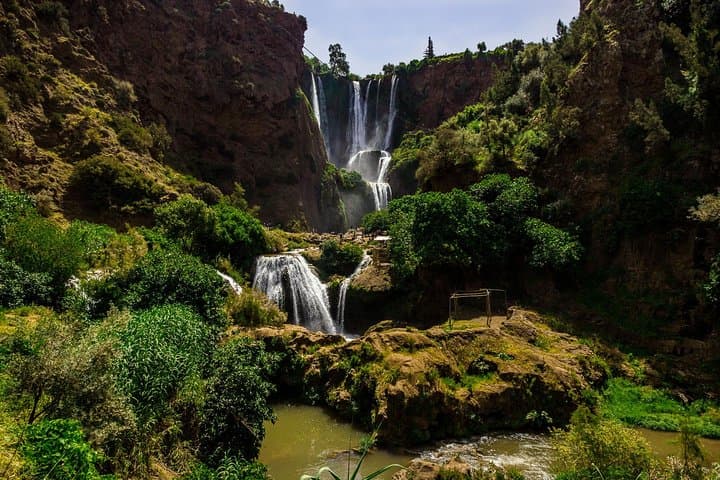
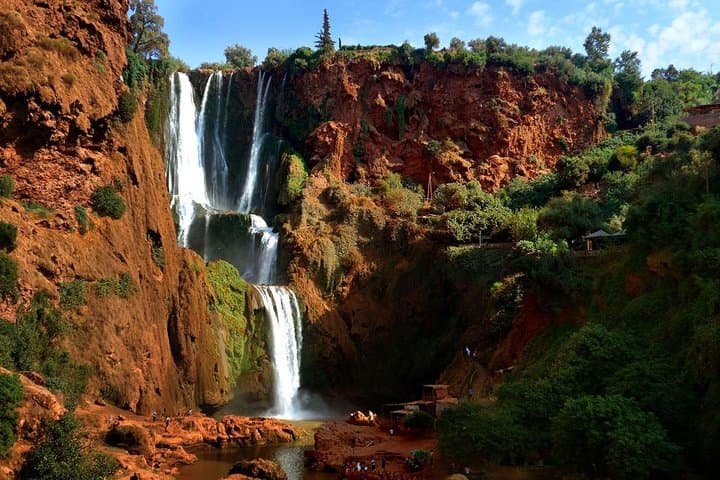
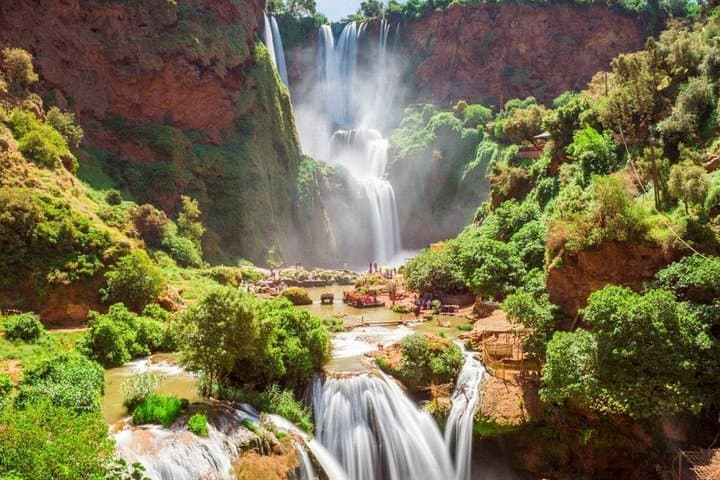
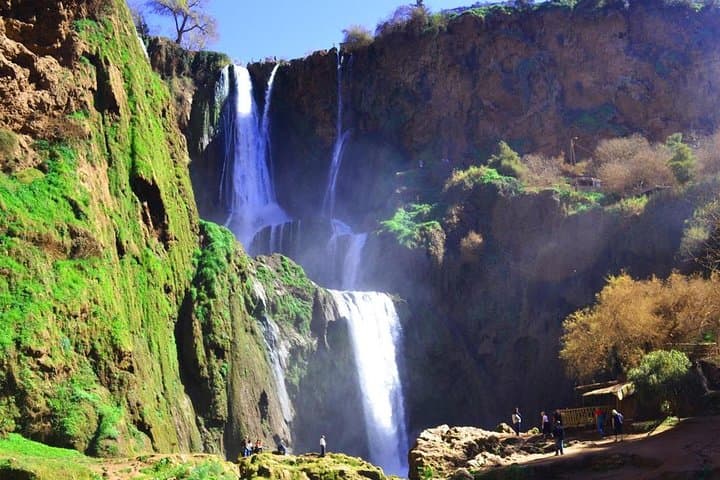
You step out of the air-conditioned van and the first sound is the water — not a whisper but a steady, expectation-setting roar. The trail from the village of Ouzoud drops toward a bowl of terraces and olive trees, and then, at a turn in the path, the falls reveal themselves: a column of water plunging more than 120 meters, throwing spray that pins a permanent half-arc of light across the gorge.
You step out of the air-conditioned van and the first sound is the water — not a whisper but a steady, expectation-setting roar. The trail from the village of Ouzoud drops toward a bowl of terraces and olive trees, and then, at a turn in the path, the falls reveal themselves: a column of water plunging more than 120 meters, throwing spray that pins a permanent half-arc of light across the gorge.
This is a day designed around contrasts. Marrakech’s alleys and call to prayer give way to high-Atlas foothills and a river that seems intent on wiping the city noise clean. Geologically, Ouzoud sits where soft sedimentary beds have been cut by millennia of running water, carving stepped ledges that send the cascade in multiple ribbons. Culturally, the area is shaped by Berber villages and riverside cafés where locals still grind olives and orange groves scent the air.
Wildlife is part of the scene. Groups of Barbary macaques move like punctuation marks through the trees, inquisitive and territorial; kingfishers and wagtails patrol the river margins. Local guides know where the monkeys gather, how to observe them without escalating curiosity into conflict, and they point out old stone mills half-hidden in the vegetation — reminders that this place has been worked and lived in for generations.
The itinerary is straightforward: roughly a 2½-hour drive from Marrakech (about 170 km) each way, plus a guided hike at the falls and a riverside lunch. The route down to the main viewpoint is paved in sections but includes steep stone steps and uneven earth; for those who want more, a rougher path leads to quieter plunge pools and narrower viewpoints.
Practicalities matter on a day like this. Wear stiff-soled shoes for the steps and slick stones, bring a lightweight rain shell for spray and weather changes, and carry at least 1–2 liters of water; the walk is easy to moderate but sun and humidity can add fatigue. Boat rides on the river are calm and optional; swimming is possible in calm pools but always check currents and local advice before entering the water.
Timing is everything: arrive before mid-afternoon if you want photos with the sun on the falls; late afternoon delivers softer light and cooler air. Respect the environment — avoid feeding wildlife, stick to marked paths, and take any trash back to the village bins. At day’s end you’ll climb back into the van sticky with good food and the memory of a place where river and rock still argue about who shapes the land.