THE ADVENTURE COLLECTIVE® · Independent discovery and booking for outdoor travel

Leave Marrakech for a day of red cliffs, olive groves and a 110-meter cascade crowned by rainbows. This full-day shared tour to Ouzoud Waterfalls mixes short hikes, riverside lunches, and close-up views of working oil mills and Barbary macaques.
Leave Marrakech for a day of red cliffs, olive groves and a 110-meter cascade crowned by rainbows. This full-day shared tour to Ouzoud Waterfalls mixes short hikes, riverside lunches, and close-up views of working oil mills and Barbary macaques.
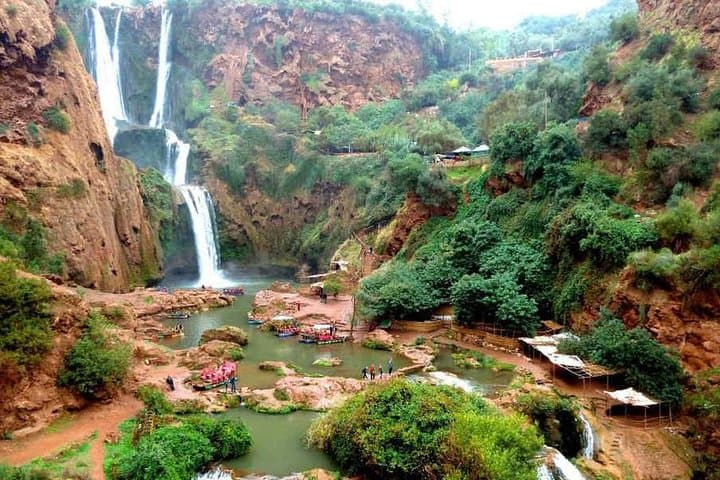
The group van eases out of Marrakech before dawn, city noise thinning into an open road that stretches toward the High Atlas. By midmorning the landscape has already changed: olive groves give way to red sandstone gullies, and the air takes on a cooler, river-scented edge. From the viewpoint above, the Ouzoud Waterfalls announce themselves with a roar and a spray — three stepped drops that together tumble about 110 meters into a green bowl. Visitors pause, cameras lifted, as rainbows appear and disappear in the mist.
Verified experiences and guided adventures in the surrounding area.
Operated by Fes Tours Guide · Ouzoud, Marrakesh-Safi
The group van eases out of Marrakech before dawn, city noise thinning into an open road that stretches toward the High Atlas. By midmorning the landscape has already changed: olive groves give way to red sandstone gullies, and the air takes on a cooler, river-scented edge. From the viewpoint above, the Ouzoud Waterfalls announce themselves with a roar and a spray — three stepped drops that together tumble about 110 meters into a green bowl. Visitors pause, cameras lifted, as rainbows appear and disappear in the mist.
Ouzoud — a Berber name meaning “grinding of the grain” — grew up around water and the oil mills that still pepper the valley. For centuries local communities have harnessed the river to press olives into oil, and the stone mills you pass are both working relics and a living snapshot of rural Moroccan life. Geologically the falls sit where streams draining the Atlas meet resistant sandstone; the water exploits fractures and creates the tiered cliffs you see today.
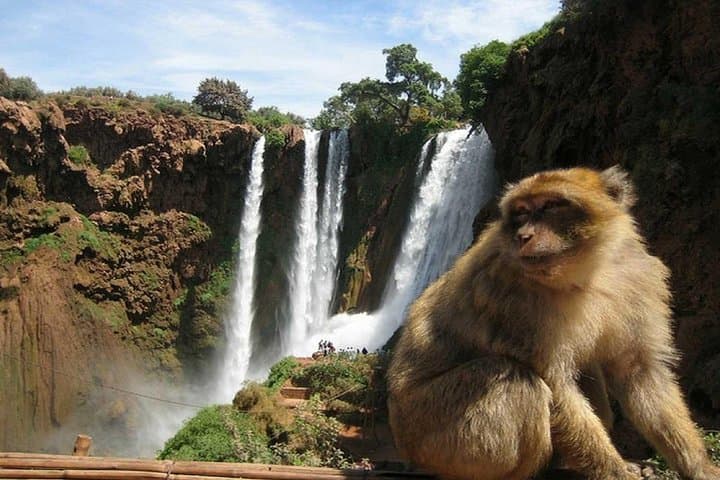
Culturally, the site is as social as it is scenic. Small cafés line the rim, and women sell trays of almonds and fresh oranges. Barbary macaques are a frequent presence at the edge of the cascade — curious, quick, and used to people; they invite both fascination and caution. The best walks are not long but involve rough stone steps: plan on descending and re-ascending roughly 100–150 vertical meters as you move between upper overlooks and the pool at the base.
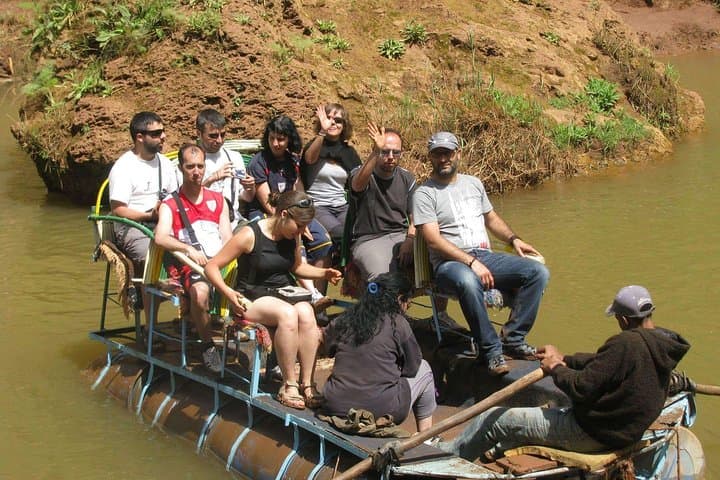
This shared, full-day tour is straightforward: an 8:00 AM pickup from Marrakech, roughly 150 km of one-way driving through farmland and gorges, and about 4–5 hours at Ouzoud for walking, photos, optional boat rides to the base, and lunch at a riverside café. Trails are unpaved and can be slippery; allow 45 minutes to reach the pool from the main parking area if you stop for photos. Bring cash — local vendors and small cafés rarely take cards — and expect a return to Marrakech in the early evening.
Practical tips: wear grippy shoes and sun protection, keep valuables zipped away from monkeys, and carry at least 1.5 liters of water for the hike. If you want fewer crowds, ask about earlier departures or weekday departures in low season. Local guides often offer short side hikes to olive groves or to watch the mills in action — a simple way to deepen the visit.
Ouzoud is sensory and accessible: a place where geology, rural craft, and a good day’s walk converge. It’s ideal for travelers who want wilderness without a multi-day commitment and for anyone who appreciates waterfalls that push you toward them with noise, spray, and a promise of cool air.
moderate.
8 hours.
Light to moderate fitness — able to walk 1–3 miles over uneven terrain and manage a 100–150 m elevation change.
The trip covers about 150 km each way; with stops it takes roughly 1.5–2 hours one way depending on traffic and route.
Yes — swimmers do enter the pool, but water is often cool and currents can be deceptively strong; swim cautiously and avoid isolated areas.
Basic toilets and multiple cafés are available near viewpoints and by the riverside; carry small change for facilities and purchases.
Yes — the tour lists stroller access and infant seats; however, some paths to the base have stairs and rough sections that may be challenging.
Barbary macaques are commonly seen near the falls; they are wild animals — observe from a distance, don't feed them, and secure belongings.
The main viewpoints are accessible by vehicle, but reaching the base requires descending uneven steps, which may not be suitable for those with mobility limitations.
The valley’s name refers to grain-grinding; historic stone mills powered by the river reflect centuries of olive oil and grain processing in the region.
Tourism helps local economies but increases pressure on trails and wildlife; avoid feeding animals, stick to marked paths, and take waste back with you.
Fes Tours Guide operates guided outdoor trips and adventures with an emphasis on safety, stewardship, and memorable experiences.
The group van eases out of Marrakech before dawn, city noise thinning into an open road that stretches toward the High Atlas. By midmorning the landscape has already changed: olive groves give way to red sandstone gullies, and the air takes on a cooler, river-scented edge. From the viewpoint above, the Ouzoud Waterfalls announce themselves with a roar and a spray — three stepped drops that together tumble about 110 meters into a green bowl. Visitors pause, cameras lifted, as rainbows appear and disappear in the mist.
The group van eases out of Marrakech before dawn, city noise thinning into an open road that stretches toward the High Atlas. By midmorning the landscape has already changed: olive groves give way to red sandstone gullies, and the air takes on a cooler, river-scented edge. From the viewpoint above, the Ouzoud Waterfalls announce themselves with a roar and a spray — three stepped drops that together tumble about 110 meters into a green bowl. Visitors pause, cameras lifted, as rainbows appear and disappear in the mist.
Ouzoud — a Berber name meaning “grinding of the grain” — grew up around water and the oil mills that still pepper the valley. For centuries local communities have harnessed the river to press olives into oil, and the stone mills you pass are both working relics and a living snapshot of rural Moroccan life. Geologically the falls sit where streams draining the Atlas meet resistant sandstone; the water exploits fractures and creates the tiered cliffs you see today.
Culturally, the site is as social as it is scenic. Small cafés line the rim, and women sell trays of almonds and fresh oranges. Barbary macaques are a frequent presence at the edge of the cascade — curious, quick, and used to people; they invite both fascination and caution. The best walks are not long but involve rough stone steps: plan on descending and re-ascending roughly 100–150 vertical meters as you move between upper overlooks and the pool at the base.
This shared, full-day tour is straightforward: an 8:00 AM pickup from Marrakech, roughly 150 km of one-way driving through farmland and gorges, and about 4–5 hours at Ouzoud for walking, photos, optional boat rides to the base, and lunch at a riverside café. Trails are unpaved and can be slippery; allow 45 minutes to reach the pool from the main parking area if you stop for photos. Bring cash — local vendors and small cafés rarely take cards — and expect a return to Marrakech in the early evening.
Practical tips: wear grippy shoes and sun protection, keep valuables zipped away from monkeys, and carry at least 1.5 liters of water for the hike. If you want fewer crowds, ask about earlier departures or weekday departures in low season. Local guides often offer short side hikes to olive groves or to watch the mills in action — a simple way to deepen the visit.
Ouzoud is sensory and accessible: a place where geology, rural craft, and a good day’s walk converge. It’s ideal for travelers who want wilderness without a multi-day commitment and for anyone who appreciates waterfalls that push you toward them with noise, spray, and a promise of cool air.