THE ADVENTURE COLLECTIVE® · Independent discovery and booking for outdoor travel

A brisk day trip from Marrakech delivers tiered waterfalls, olive groves, and curious Barbary macaques. This guide covers what to expect on the short hikes, boat options, cultural touches, and practical tips to plan your visit.
A brisk day trip from Marrakech delivers tiered waterfalls, olive groves, and curious Barbary macaques. This guide covers what to expect on the short hikes, boat options, cultural touches, and practical tips to plan your visit.
You arrive as the road loosens its hold on the desert and the air cools with spray—the falls announce themselves before you see them: a distant roar that quickens as you walk through olive terraces toward the gorge.
Verified experiences and guided adventures in the surrounding area.
Operated by Trekking in Morocco · Ouzoud, Azilal Province
You arrive as the road loosens its hold on the desert and the air cools with spray—the falls announce themselves before you see them: a distant roar that quickens as you walk through olive terraces toward the gorge.
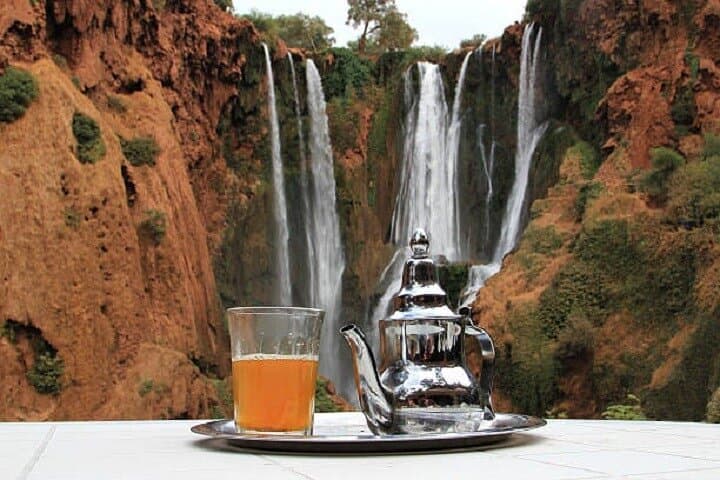
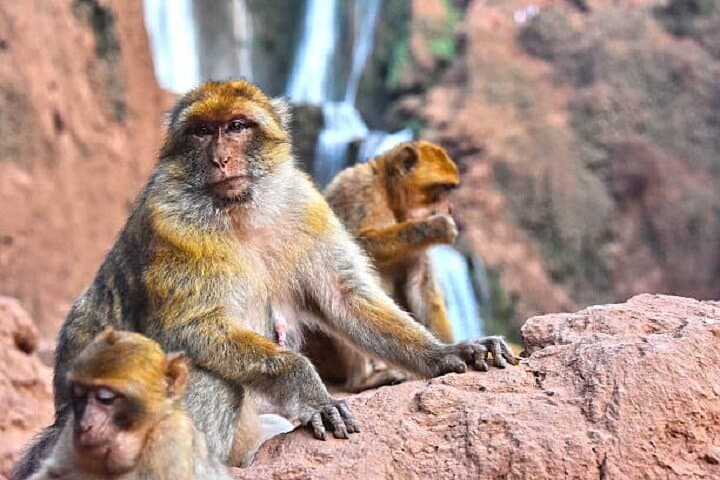
Cascades d'Ouzoud drop in multiple tiers where the El Abid River forces its way through resistant bedrock, carving plunge pools and narrow channels that shimmer in sunlight. The cliffs are streaked with lichen and shaded olive groves; Barbary macaques hop along stone walls and terraces, curious but used to human company. Small villages of Amazigh (Berber) families ring the valley, and local cafes pour mint tea while steaming tagines fill the air.
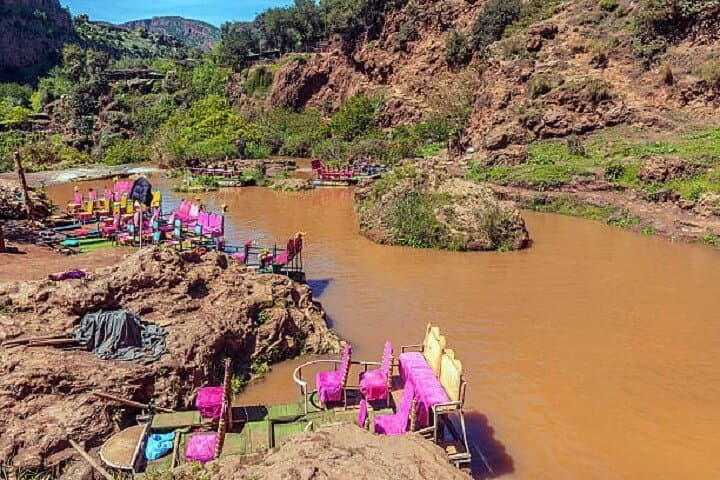
The site is both geological and cultural—centuries of farming on stepped terraces and centuries of visitors drawn to the sound and cooling spray. Boat rides curl into the base of the main fall when river levels allow, and short signposted paths lead to viewpoints above and below the drop.
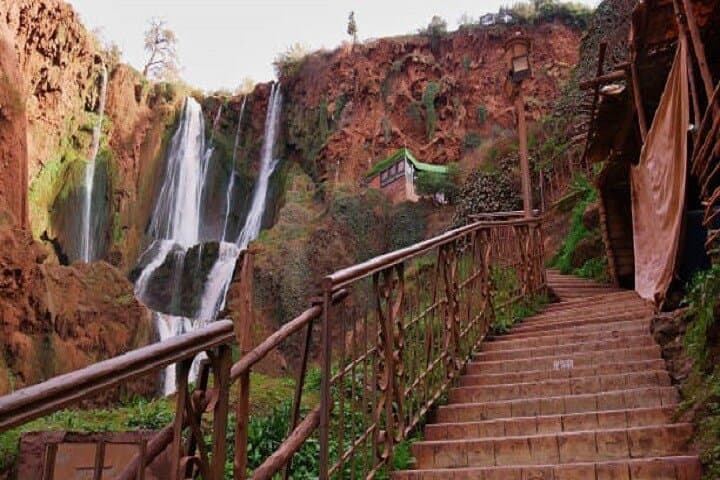
Practical guidance: expect uneven, sometimes slippery stone steps when descending into the gorge; sturdy shoes and a slow pace repay you with quiet pools and less-congested viewpoints. Bring cash for the boat (optional), tips, and market purchases. Aim for early morning or late afternoon to avoid midday heat and peak crowds; the route includes roughly 2–4 km of walking with notable elevation change on the return climb.
Hydrate, wear sun protection, and allow time at the top for lunch overlooking the falls—local restaurants serve classic Moroccan dishes and a clean view of the water as it keeps pushing forward.
moderate.
6 hours (including transfer time).
Moderate fitness recommended: comfortable walking on uneven terrain and handling short steep climbs is required.
Yes—this tour includes pickup from accommodations in Marrakech, typically around 8:30 AM; confirm your pickup point when booking.
There are natural pools suitable for swimming when conditions are safe; boat rides to the waterfall base are optional and usually paid for locally.
Yes—there are small restaurants and public toilets at the main viewpoints and near the top of the falls; lunch of local dishes is usually included in guided tours.
Barbary macaques are common around the falls and terraces; they often approach visitors but keep a safe distance and do not feed them.
The valleys around Ouzoud have been farmed by Amazigh communities for generations; the terraces and mills reflect traditional olive and cereal agriculture.
Visitor pressure can erode trails and disturb wildlife—stick to designated paths, avoid feeding animals, and use local services that follow low-impact practices.
Trekking in Morocco operates guided outdoor trips and adventures with an emphasis on safety, stewardship, and memorable experiences.
You arrive as the road loosens its hold on the desert and the air cools with spray—the falls announce themselves before you see them: a distant roar that quickens as you walk through olive terraces toward the gorge.
You arrive as the road loosens its hold on the desert and the air cools with spray—the falls announce themselves before you see them: a distant roar that quickens as you walk through olive terraces toward the gorge.
Cascades d'Ouzoud drop in multiple tiers where the El Abid River forces its way through resistant bedrock, carving plunge pools and narrow channels that shimmer in sunlight. The cliffs are streaked with lichen and shaded olive groves; Barbary macaques hop along stone walls and terraces, curious but used to human company. Small villages of Amazigh (Berber) families ring the valley, and local cafes pour mint tea while steaming tagines fill the air.
The site is both geological and cultural—centuries of farming on stepped terraces and centuries of visitors drawn to the sound and cooling spray. Boat rides curl into the base of the main fall when river levels allow, and short signposted paths lead to viewpoints above and below the drop.
Practical guidance: expect uneven, sometimes slippery stone steps when descending into the gorge; sturdy shoes and a slow pace repay you with quiet pools and less-congested viewpoints. Bring cash for the boat (optional), tips, and market purchases. Aim for early morning or late afternoon to avoid midday heat and peak crowds; the route includes roughly 2–4 km of walking with notable elevation change on the return climb.
Hydrate, wear sun protection, and allow time at the top for lunch overlooking the falls—local restaurants serve classic Moroccan dishes and a clean view of the water as it keeps pushing forward.