THE ADVENTURE COLLECTIVE® · Independent discovery and booking for outdoor travel

Leave Marrakech behind for a full-day escape to Ouzoud Waterfalls: an 8-hour shared trip that combines a guided hike, visits to Berber villages and a riverside lunch beneath a 110m cascade. Expect dramatic viewpoints, friendly local hosts and straightforward logistics with hotel pickup.
Leave Marrakech behind for a full-day escape to Ouzoud Waterfalls: an 8-hour shared trip that combines a guided hike, visits to Berber villages and a riverside lunch beneath a 110m cascade. Expect dramatic viewpoints, friendly local hosts and straightforward logistics with hotel pickup.
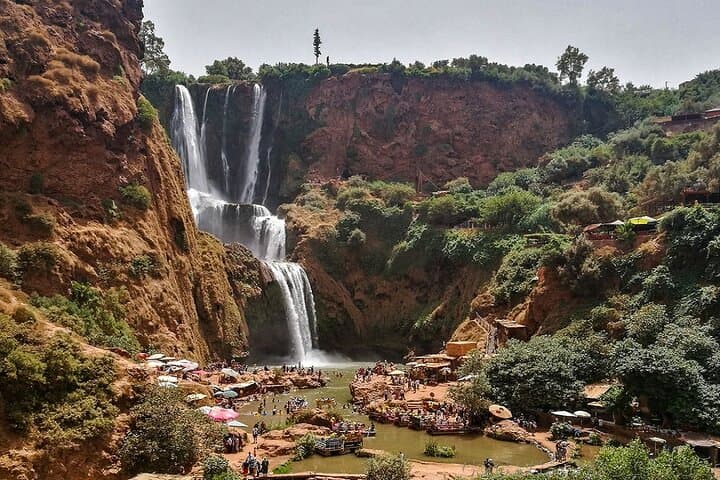
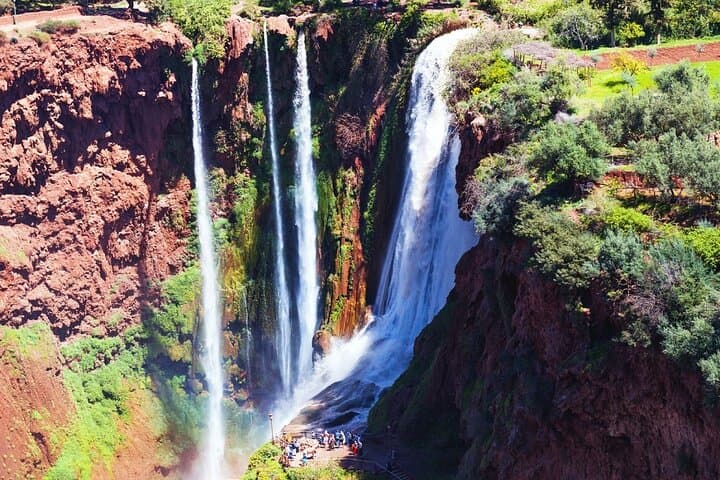
The van peels away from Marrakech as the city’s ochre walls shrink into almond- and olive-studded foothills; by the time the atlas silhouettes take over the horizon, the air tastes cleaner and the road narrows. At the crest above the valley a distant roar grows: the cascade at Ouzoud, three-tiered and mineral-streaked, announces itself before you see it. Visitors spill out onto a terrace where spray perfumes the air and the highest plunge—roughly 110 meters—slices a blue-slate canyon into green.
Verified experiences and guided adventures in the surrounding area.
Operated by tour in Morocco · Ouzoud, Béni Mellal-Khénifra
The van peels away from Marrakech as the city’s ochre walls shrink into almond- and olive-studded foothills; by the time the atlas silhouettes take over the horizon, the air tastes cleaner and the road narrows. At the crest above the valley a distant roar grows: the cascade at Ouzoud, three-tiered and mineral-streaked, announces itself before you see it. Visitors spill out onto a terrace where spray perfumes the air and the highest plunge—roughly 110 meters—slices a blue-slate canyon into green.
Ouzoud sits where tectonic uplift and river erosion have carved a step in the High Atlas, and the falls tumble over Miocene limestone layered with pockets of clay and iron that stain the rock red. For centuries local Berber communities cultivated the olives that still shade the approach paths; the Tamazight root often linked to the place refers to the olive groves that frame the canyon. The route from Marrakech follows old transhumance and trade corridors—today you pass hamlets where flat-roofed houses and satellite dishes live side by side.
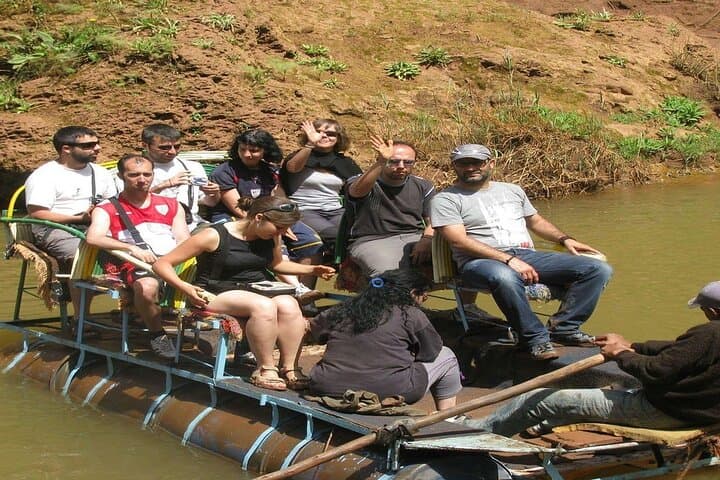
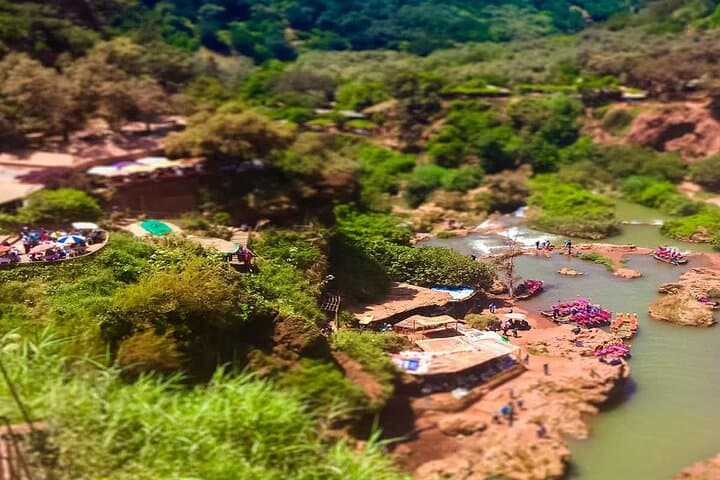
A day trip here is part nature, part culture. Guides from nearby villages lead short hikes along the river, pointing out terraced orchards and stopping at a Berber home for mint tea and conversation. Monkeys—Barbary macaques—move with theatrical indifference around viewpoints; kingfishers and herons patrolling the water's edge are less tolerant of human curiosity. Locally run eateries stake claims on rooftops and riverbanks, grilling tagine and serving lunch with a view.
Practically, expect an 8-hour outing with about 2–3 hours of walking over uneven trails, stone steps and some slick slabs near the water. Footwear with good grip is non-negotiable; the path to the base requires careful footing and a few short climbs. Bring cash for small purchases and tipping—many village stops are cash-only.
Timing matters: arrive midweek or early in the morning to avoid tour-bus crowds. The guide included on shared departures will handle pickups from central Marrakech hotels and the Medina’s accessible meeting points; the drive takes roughly 2–2.5 hours each way. Weather can shift quickly in the mountains—layers and a light waterproof are sensible year-round. Respect the environment: stay on marked trails, avoid feeding wildlife, and follow local guidance for safe viewpoints.
A day here is uncomplicated but rewarding: dramatic geology, the steady presence of water daring you to move closer, and the chance to see village life along a green river carved into stone. The return to Marrakech often feels quieter—the intensity of the falls folded into the softer geometry of the city’s evening light.
moderate.
8 hours.
Suitable for travelers with average fitness who can walk 2–3 hours over uneven terrain and climb stairs.
The round-trip drive is about 2–2.5 hours each way (roughly 150 km one way) depending on traffic and stops.
Lunch is typically a riverside or rooftop Berber meal but confirm whether that specific tour rate includes it—some operators offer meal as an optional extra.
Basic public toilets and small restaurants with facilities are available near the main viewpoints; bring hand sanitizer and some change.
Swimming is possible in shallow pools but conditions change with flow; follow your guide’s advice and avoid risky spots after heavy rain.
Yes—Barbary macaques frequent the area; keep distance, don’t feed them, and secure cameras and bags.
Shared tours include hotel pickup—your operator will confirm the exact pickup point and a 10-minute pre-departure pickup window for central hotels and Medina meeting points.
The path to Ouzoud follows historic Berber routes through olive country; local villages retain agrarian patterns shaped by terraced farming and water management.
Visitor pressure can erode trails and stress wildlife—stick to marked paths, avoid single-use plastics, and support local guides who practice low-impact tourism.
tour in Morocco operates guided outdoor trips and adventures with an emphasis on safety, stewardship, and memorable experiences.
The van peels away from Marrakech as the city’s ochre walls shrink into almond- and olive-studded foothills; by the time the atlas silhouettes take over the horizon, the air tastes cleaner and the road narrows. At the crest above the valley a distant roar grows: the cascade at Ouzoud, three-tiered and mineral-streaked, announces itself before you see it. Visitors spill out onto a terrace where spray perfumes the air and the highest plunge—roughly 110 meters—slices a blue-slate canyon into green.
The van peels away from Marrakech as the city’s ochre walls shrink into almond- and olive-studded foothills; by the time the atlas silhouettes take over the horizon, the air tastes cleaner and the road narrows. At the crest above the valley a distant roar grows: the cascade at Ouzoud, three-tiered and mineral-streaked, announces itself before you see it. Visitors spill out onto a terrace where spray perfumes the air and the highest plunge—roughly 110 meters—slices a blue-slate canyon into green.
Ouzoud sits where tectonic uplift and river erosion have carved a step in the High Atlas, and the falls tumble over Miocene limestone layered with pockets of clay and iron that stain the rock red. For centuries local Berber communities cultivated the olives that still shade the approach paths; the Tamazight root often linked to the place refers to the olive groves that frame the canyon. The route from Marrakech follows old transhumance and trade corridors—today you pass hamlets where flat-roofed houses and satellite dishes live side by side.
A day trip here is part nature, part culture. Guides from nearby villages lead short hikes along the river, pointing out terraced orchards and stopping at a Berber home for mint tea and conversation. Monkeys—Barbary macaques—move with theatrical indifference around viewpoints; kingfishers and herons patrolling the water's edge are less tolerant of human curiosity. Locally run eateries stake claims on rooftops and riverbanks, grilling tagine and serving lunch with a view.
Practically, expect an 8-hour outing with about 2–3 hours of walking over uneven trails, stone steps and some slick slabs near the water. Footwear with good grip is non-negotiable; the path to the base requires careful footing and a few short climbs. Bring cash for small purchases and tipping—many village stops are cash-only.
Timing matters: arrive midweek or early in the morning to avoid tour-bus crowds. The guide included on shared departures will handle pickups from central Marrakech hotels and the Medina’s accessible meeting points; the drive takes roughly 2–2.5 hours each way. Weather can shift quickly in the mountains—layers and a light waterproof are sensible year-round. Respect the environment: stay on marked trails, avoid feeding wildlife, and follow local guidance for safe viewpoints.
A day here is uncomplicated but rewarding: dramatic geology, the steady presence of water daring you to move closer, and the chance to see village life along a green river carved into stone. The return to Marrakech often feels quieter—the intensity of the falls folded into the softer geometry of the city’s evening light.