THE ADVENTURE COLLECTIVE® · Independent discovery and booking for outdoor travel

A full-day escape from Marrakech, the Ouzoud Waterfalls deliver 110 meters of cascading water, cliffside cafés, and inquisitive Barbary macaques. This guide covers what to expect on the road, on the trails, and how to prepare for a long, wet day in the Azilal foothills.
A full-day escape from Marrakech, the Ouzoud Waterfalls deliver 110 meters of cascading water, cliffside cafés, and inquisitive Barbary macaques. This guide covers what to expect on the road, on the trails, and how to prepare for a long, wet day in the Azilal foothills.
You round a low ridge and the valley opens: a curtain of water unravels in three main streams, white against russet rock, and the sound arrives before the view — a steady, room-filling roar. At Ouzoud, 110 meters of cascading water slices through cedar and olive terraces, sending mist like a cool hand across your face. The road from Marrakech winds through red-earth villages and scrubby foothills for roughly three hours; the long drive prepares you for the scale of the falls.
Verified experiences and guided adventures in the surrounding area.
Operated by Planificador de Viajes Marruecos · Ouzoud, Béni Mellal-Khénifra
You round a low ridge and the valley opens: a curtain of water unravels in three main streams, white against russet rock, and the sound arrives before the view — a steady, room-filling roar. At Ouzoud, 110 meters of cascading water slices through cedar and olive terraces, sending mist like a cool hand across your face. The road from Marrakech winds through red-earth villages and scrubby foothills for roughly three hours; the long drive prepares you for the scale of the falls.
Geologically, Ouzoud is a modest example of the Atlas range’s handiwork. Streams cut through Miocene limestone, widening ledges and forming the multi-tiered drop you watch from the rim. Human history here is quiet but present: small Berber villages crowd the ravine, their stone houses and irrigated olive groves following centuries-old water management practices. Local cafés perch on the cliff edge, their terraces oriented to the best light and the best view of plunging water.
Wildlife is part of the scene. Barbary macaques, curious and bold, frequently patrol the viewpoints and picnic areas; kingfishers and herons hunt the calmer pools below. The Falls shape local culture — a seasonal magnet for Moroccans who bring cloths and thermoses for a day by the river, and an economy built on guiding, small restaurants, and crafts sold near the parking area.
Practical guide: most tours leave Marrakech around 8:00 and return late afternoon — plan for an eight-hour day with about three hours on-site. From the main parking and upper viewpoints you can follow a loop trail to the base and riverside cafés; expect roughly 1–2 km of walking round-trip on uneven stone steps and dirt paths, with an elevation change of around 150–250 meters if you descend to the river. Trails are mostly stepped stone; they get slippery after rain and can be steep on the return.
If you’re tempted to swim, the water is cold and current stronger than it looks — choose shallow pools and heed local advice. Bring cash (small cafes and guides prefer it), a refillable water bottle, and sunscreen; there are basic restrooms and informal eateries near the falls, but service can be slow when busy.
Timing matters: mid-morning or late afternoon light is best for photos and avoids the mid-day crush. Above all, respect the place — don’t feed monkeys, stick to marked paths, and carry out trash. Ouzoud is loud, wet, and immediate: a natural day out that rewards simple preparation with one of Morocco’s most energizing waterfalls.
moderate.
8 hours.
Comfortable walking fitness with the ability to handle steep stone steps and short uneven sections; not technical.
Expect about three hours each way depending on traffic and stops — the tour is typically an eight-hour day with around three hours on-site.
You can swim in some calmer pools, but the water is cold and currents can be strong; follow local advice and choose shallow, supervised spots.
Yes — Barbary macaques are common around viewpoints and cafés; they are wild animals, so don’t feed them or leave belongings unattended.
Yes — local guides offer short guided hikes to the base and nearby viewpoints; you can also explore independently for the same on-site time.
The main viewpoints are easy to access; descending to the river involves steep steps and uneven terrain that may be challenging for young children or those with mobility issues.
There are basic cafés and restrooms near the falls, plus small souvenir stalls; facilities are informal, so carry essentials like water and snacks.
The falls sit in a valley long farmed by Berber communities; traditional olive irrigation and stone terraces still shape the landscape around Ouzoud.
Avoid feeding wildlife, stick to marked paths, and carry out trash—local groups encourage sustainable tourism to preserve water quality and river habitats.
Planificador de Viajes Marruecos operates guided outdoor trips and adventures with an emphasis on safety, stewardship, and memorable experiences.


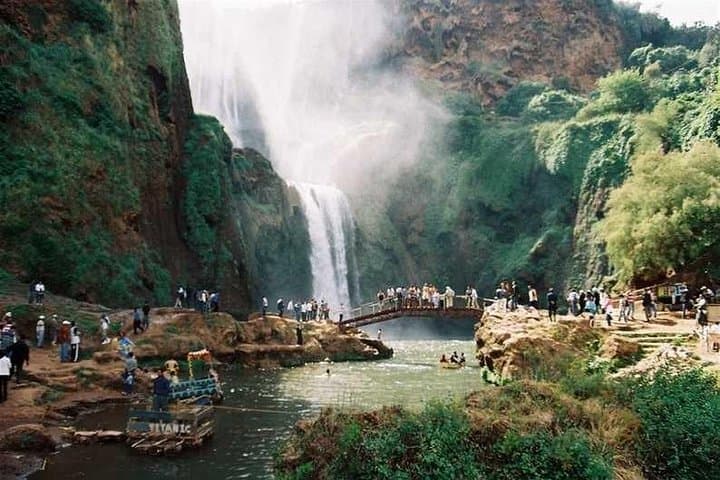
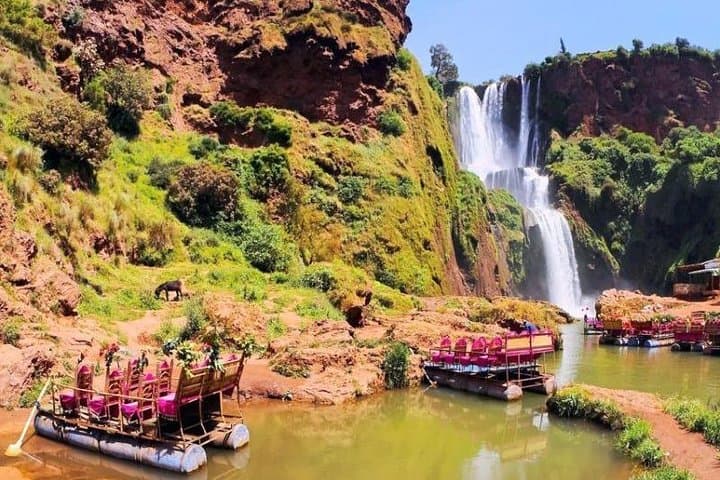
You round a low ridge and the valley opens: a curtain of water unravels in three main streams, white against russet rock, and the sound arrives before the view — a steady, room-filling roar. At Ouzoud, 110 meters of cascading water slices through cedar and olive terraces, sending mist like a cool hand across your face. The road from Marrakech winds through red-earth villages and scrubby foothills for roughly three hours; the long drive prepares you for the scale of the falls.
You round a low ridge and the valley opens: a curtain of water unravels in three main streams, white against russet rock, and the sound arrives before the view — a steady, room-filling roar. At Ouzoud, 110 meters of cascading water slices through cedar and olive terraces, sending mist like a cool hand across your face. The road from Marrakech winds through red-earth villages and scrubby foothills for roughly three hours; the long drive prepares you for the scale of the falls.
Geologically, Ouzoud is a modest example of the Atlas range’s handiwork. Streams cut through Miocene limestone, widening ledges and forming the multi-tiered drop you watch from the rim. Human history here is quiet but present: small Berber villages crowd the ravine, their stone houses and irrigated olive groves following centuries-old water management practices. Local cafés perch on the cliff edge, their terraces oriented to the best light and the best view of plunging water.
Wildlife is part of the scene. Barbary macaques, curious and bold, frequently patrol the viewpoints and picnic areas; kingfishers and herons hunt the calmer pools below. The Falls shape local culture — a seasonal magnet for Moroccans who bring cloths and thermoses for a day by the river, and an economy built on guiding, small restaurants, and crafts sold near the parking area.
Practical guide: most tours leave Marrakech around 8:00 and return late afternoon — plan for an eight-hour day with about three hours on-site. From the main parking and upper viewpoints you can follow a loop trail to the base and riverside cafés; expect roughly 1–2 km of walking round-trip on uneven stone steps and dirt paths, with an elevation change of around 150–250 meters if you descend to the river. Trails are mostly stepped stone; they get slippery after rain and can be steep on the return.
If you’re tempted to swim, the water is cold and current stronger than it looks — choose shallow pools and heed local advice. Bring cash (small cafes and guides prefer it), a refillable water bottle, and sunscreen; there are basic restrooms and informal eateries near the falls, but service can be slow when busy.
Timing matters: mid-morning or late afternoon light is best for photos and avoids the mid-day crush. Above all, respect the place — don’t feed monkeys, stick to marked paths, and carry out trash. Ouzoud is loud, wet, and immediate: a natural day out that rewards simple preparation with one of Morocco’s most energizing waterfalls.