THE ADVENTURE COLLECTIVE® · Independent discovery and booking for outdoor travel

Leave Marrakech for a day and follow a river into the Atlas foothills to Ouzoud, Morocco’s highest cascade. This practical guide covers what to expect—the drive, the descent, boat rides, and how to plan for the monkeys, meals, and best photo light.
Leave Marrakech for a day and follow a river into the Atlas foothills to Ouzoud, Morocco’s highest cascade. This practical guide covers what to expect—the drive, the descent, boat rides, and how to plan for the monkeys, meals, and best photo light.
The morning ride out of Marrakech eases into a quiet countryside of olive groves and terraced fields. Windows frame low Atlas foothills and, an hour or two later, the sound shifts from diesel and chatter to a distant, rising roar: Ouzoud. From the main viewpoint the falls announce themselves in a white ribbon that splits into multiple curtains, collapsing into a pool that sends spray across the cliffs like a restless crowd.
Verified experiences and guided adventures in the surrounding area.
Operated by HDIDA Tours · Ouzoud, Béni Mellal-Khénifra
The morning ride out of Marrakech eases into a quiet countryside of olive groves and terraced fields. Windows frame low Atlas foothills and, an hour or two later, the sound shifts from diesel and chatter to a distant, rising roar: Ouzoud. From the main viewpoint the falls announce themselves in a white ribbon that splits into multiple curtains, collapsing into a pool that sends spray across the cliffs like a restless crowd.
Ouzoud is the highest waterfall in North Africa and a geological curve in a long story of Barbary plateaus and riverine erosion. The river has cut through Miocene sandstone and limestone, carving ledges and plunge pools and leaving behind the sheer rock faces locals call the cliffs of Ouzoud. Berber villages cluster on these slopes; for centuries the water has supported olive cultivation and small-scale milling. Today cafés and cliffside restaurants serve tajines to hikers who come for both scenery and the sudden cool offered by the falls.
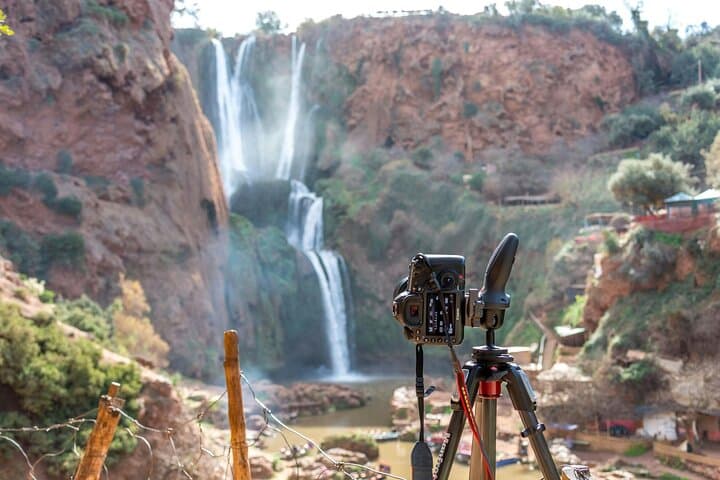
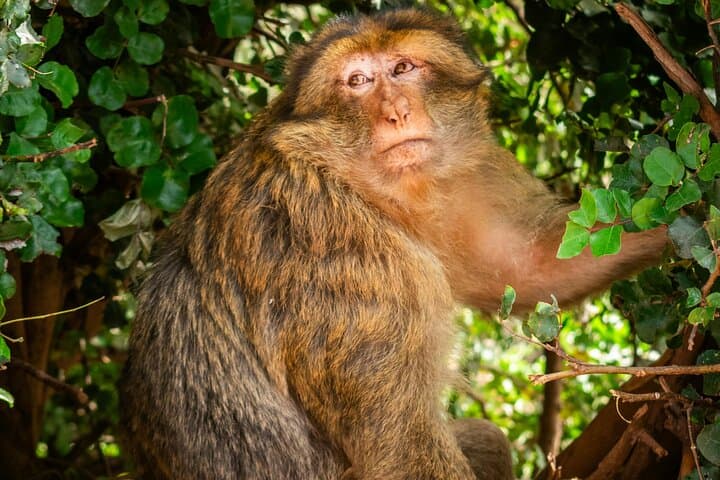
A guided descent follows shaded tracks and stone steps that wind past orchard terraces and small cascades. Guides point out rock strata and local flora, and they know the best apertures for photos—narrow views where the falls stack like pages. At the base, boats putter close enough for a refreshing spray; for the more adventurous there are seasonable dips in the natural pools. Barbary macaques roam the upper paths, curious and used to humans, and the guides remind visitors to observe calmly: feeding attracts trouble and changes animal behavior.
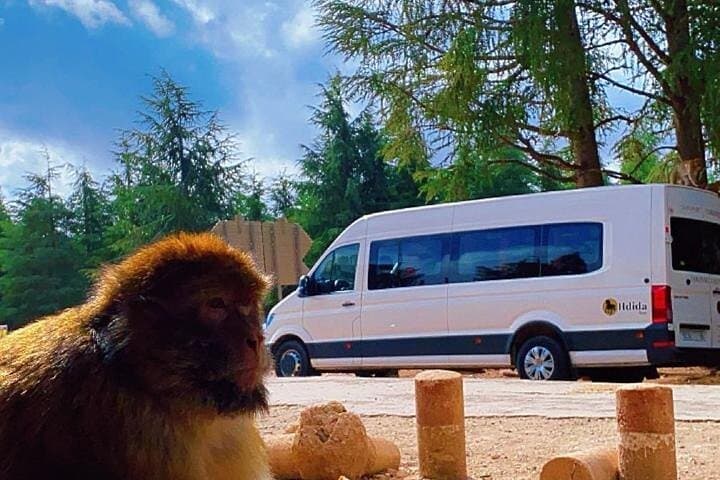
Practical detail is part of the pull. The day-trip covers roughly 160–200 km round-trip from Marrakech and takes 3–4 hours each way by air-conditioned minivan; expect an 8–12 hour day depending on stops and traffic. The trail sections are well-trodden but include steep steps and occasional slippery rock. Bring sturdy shoes, a refillable water bottle, and sun protection; pack a light rain layer if you visit during the wet season.
Timing makes the experience. Arrive mid-morning to avoid crowds and get the best light on the falls; late afternoon returns to Marrakech are common, with the drive offering a soft, slow-out of the highland quiet.
Local operators include transport, a bilingual guide, and options like a boat ride or lunch at a terrace restaurant—confirm what’s included when you book. Conservation-minded travelers should stick to paths, avoid single-use plastics, and take any trash back to town. In return, Ouzoud offers a day of dramatic water, working countryside, and a close-up look at a landscape where nature still shapes daily life.
moderate.
8–12 hours.
You should be comfortable walking on uneven trails and descending/ascending stone steps for 30–60 minutes; basic stamina for an all-day outing is recommended.
Expect about 3 hours each way depending on traffic and stops—operators plan for a full 8–12 hour day.
Boat rides are usually optional and may cost extra; confirm when booking and note they run seasonally.
Swimming is possible in warmer months in designated pools but depends on water levels; follow guide advice for safety.
Paths are family-friendly but do include many stone steps; those with mobility limits should check accessibility options or stay at the upper viewpoints.
No—feeding Barbary macaques is discouraged; it alters their behavior and can provoke aggression.
Many local guides speak English, French, and Spanish; operators often list available languages when you book.
The falls sit on a river that carved through Miocene sedimentary rock; nearby Berber communities have farmed the slopes and used water power for centuries.
Tourism brings income but also pressure; stick to marked paths, avoid single-use plastics, and let local guides handle wildlife interactions to reduce disturbance.
HDIDA Tours operates guided outdoor trips and adventures with an emphasis on safety, stewardship, and memorable experiences.
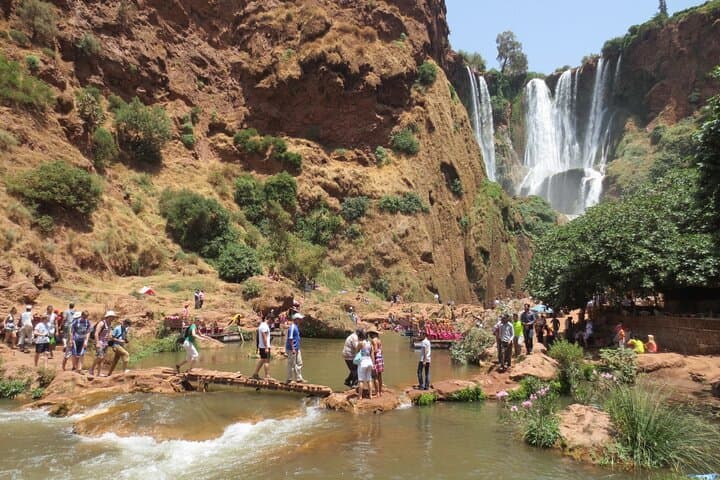
The morning ride out of Marrakech eases into a quiet countryside of olive groves and terraced fields. Windows frame low Atlas foothills and, an hour or two later, the sound shifts from diesel and chatter to a distant, rising roar: Ouzoud. From the main viewpoint the falls announce themselves in a white ribbon that splits into multiple curtains, collapsing into a pool that sends spray across the cliffs like a restless crowd.
The morning ride out of Marrakech eases into a quiet countryside of olive groves and terraced fields. Windows frame low Atlas foothills and, an hour or two later, the sound shifts from diesel and chatter to a distant, rising roar: Ouzoud. From the main viewpoint the falls announce themselves in a white ribbon that splits into multiple curtains, collapsing into a pool that sends spray across the cliffs like a restless crowd.
Ouzoud is the highest waterfall in North Africa and a geological curve in a long story of Barbary plateaus and riverine erosion. The river has cut through Miocene sandstone and limestone, carving ledges and plunge pools and leaving behind the sheer rock faces locals call the cliffs of Ouzoud. Berber villages cluster on these slopes; for centuries the water has supported olive cultivation and small-scale milling. Today cafés and cliffside restaurants serve tajines to hikers who come for both scenery and the sudden cool offered by the falls.
A guided descent follows shaded tracks and stone steps that wind past orchard terraces and small cascades. Guides point out rock strata and local flora, and they know the best apertures for photos—narrow views where the falls stack like pages. At the base, boats putter close enough for a refreshing spray; for the more adventurous there are seasonable dips in the natural pools. Barbary macaques roam the upper paths, curious and used to humans, and the guides remind visitors to observe calmly: feeding attracts trouble and changes animal behavior.
Practical detail is part of the pull. The day-trip covers roughly 160–200 km round-trip from Marrakech and takes 3–4 hours each way by air-conditioned minivan; expect an 8–12 hour day depending on stops and traffic. The trail sections are well-trodden but include steep steps and occasional slippery rock. Bring sturdy shoes, a refillable water bottle, and sun protection; pack a light rain layer if you visit during the wet season.
Timing makes the experience. Arrive mid-morning to avoid crowds and get the best light on the falls; late afternoon returns to Marrakech are common, with the drive offering a soft, slow-out of the highland quiet.
Local operators include transport, a bilingual guide, and options like a boat ride or lunch at a terrace restaurant—confirm what’s included when you book. Conservation-minded travelers should stick to paths, avoid single-use plastics, and take any trash back to town. In return, Ouzoud offers a day of dramatic water, working countryside, and a close-up look at a landscape where nature still shapes daily life.