THE ADVENTURE COLLECTIVE® · Independent discovery and booking for outdoor travel

A brisk day trip from Marrakech brings you to the 110m Ouzoud Falls: panoramic rims, shaded olive trails down to the pool, active antique mills and colonies of Barbary macaques. Here’s what to expect and how to plan the day.
A brisk day trip from Marrakech brings you to the 110m Ouzoud Falls: panoramic rims, shaded olive trails down to the pool, active antique mills and colonies of Barbary macaques. Here’s what to expect and how to plan the day.
You arrive to a break in the Atlas foothills and suddenly the air smells different — cooler, damp, threaded with olive and eucalyptus. From the rim, water peels off a limestone escarpment in sheets and veils, dropping roughly 110 meters into a green basin. Rainbows appear and disappear in the spray; below, terraced paths and antique stone mills crowd the cliffs like watchful neighbors.
Verified experiences and guided adventures in the surrounding area.
Operated by Quad Dream Adventure Morocco · Ouzoud, Azilal Province
You arrive to a break in the Atlas foothills and suddenly the air smells different — cooler, damp, threaded with olive and eucalyptus. From the rim, water peels off a limestone escarpment in sheets and veils, dropping roughly 110 meters into a green basin. Rainbows appear and disappear in the spray; below, terraced paths and antique stone mills crowd the cliffs like watchful neighbors.
Ouzoud sits about 170 km northeast of Marrakech, a cluster of villages born around a torrent that carved its way through Miocene limestone. Those cliffs are porous and pitted: the falls and their pools are the result of millennia of dissolution and collapse, the same processes that left caves where Barbary macaques now shelter. Local grain mills — hand-cranked and still operational in some spots — reflect a rural economy that long predates modern tourism; olive groves and small Berber communities still shape the area’s rhythm.
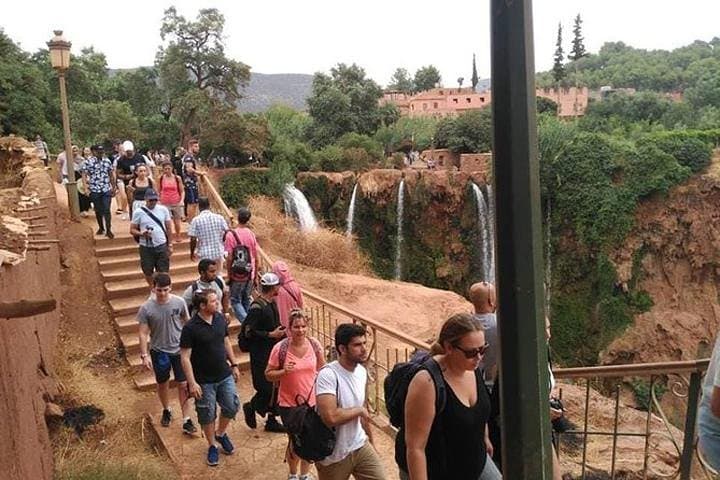
The site blends geology and culture. Walk the top rim for broad panoramas of the canyon, then descend a shaded switchback through olive trees for a close-up at the base. The descent is roughly an hour for most visitors and includes stone steps and packed-earth trails; the return climbs a similar route. Along the way, learn the arc of local life: millstones stained by years of turning water into flour, restaurants that invite you to eat tajine beside the falls, and vendors selling fresh orange juice.
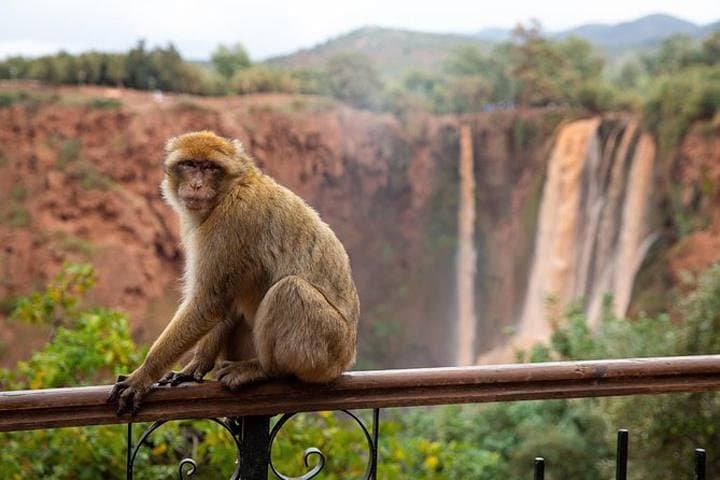
Expect to encounter a dozen to a hundred Magot (Barbary) macaques, comfortable among visitors but still wild — they’ll evaluate your backpack with practiced curiosity. Swimming is possible in calmer pools but exercise caution: currents and rock can be hazardous, and signage and local guides should be followed.
Practicalities: the full tour typically departs Marrakech in the morning and returns the same evening (roughly an 8‑hour day including transit). Roads are paved but can be twisty; allow 2.5–3 hours each way. Bring sturdy shoes for uneven steps, at least 1–2 liters of water, and cash for restaurants and small purchases. If you plan to photograph the falls, aim for morning light at the rim or late afternoon for softer backlighting and rainbows.
Local guides add context — they point out the old mills and safe swimming spots, and they can help you avoid negative wildlife interactions. Respect the place: keep to the paths, don’t feed macaques, and support village businesses when possible. Ouzoud is an easy, visceral day outside Marrakech: a landscape that still insists on getting its hands wet.
moderate.
8 hours.
Suitable for travelers in average fitness; expect a 1‑hour descent/ascent on uneven steps and several short walks around viewpoints.
The main descent takes about 45–75 minutes depending on pace and stops; expect a similar time to climb back up.
Yes, there are calm pools near the base where locals and visitors swim, but currents and submerged rocks can be hazardous—use caution and follow signage or guide advice.
Barbary macaques are wild animals and can bite if provoked or offered food; secure belongings and avoid direct contact.
Approximately 170 km; plan for about 2.5–3 hours each way depending on traffic and road conditions.
Many tours describe the activity as easy to moderate—children and active seniors can do it but consider the steep climb back up and arrange rest stops as needed.
Bring water, sun protection, comfortable shoes and small bills for local restaurants, tips, and vendors—20–50 MAD for small purchases and 100–200 MAD for a meal are typical ranges.
The falls supplied water to local olive groves and grain mills for centuries; many stone mills visible today reflect traditional irrigation and milling techniques.
Visitor pressure can stress wildlife and local resources—avoid feeding animals, stay on marked trails, and support local businesses to channel tourism benefits.
Quad Dream Adventure Morocco operates guided outdoor trips and adventures with an emphasis on safety, stewardship, and memorable experiences.
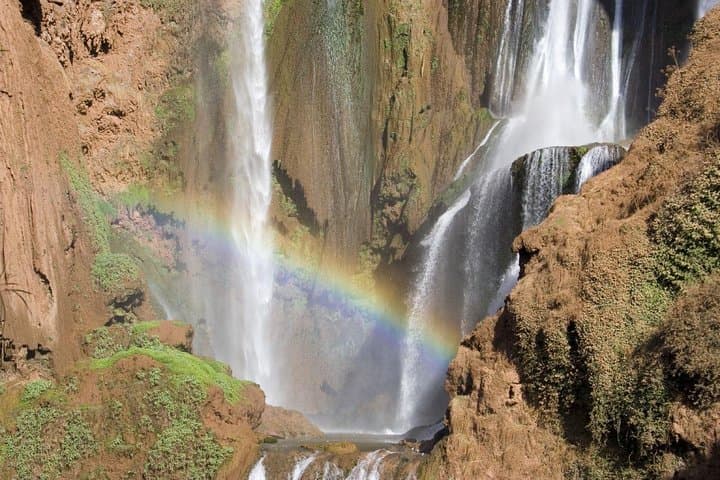
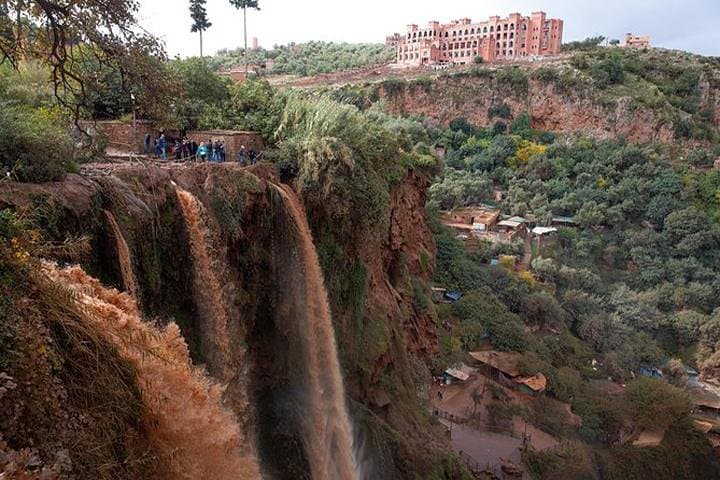
You arrive to a break in the Atlas foothills and suddenly the air smells different — cooler, damp, threaded with olive and eucalyptus. From the rim, water peels off a limestone escarpment in sheets and veils, dropping roughly 110 meters into a green basin. Rainbows appear and disappear in the spray; below, terraced paths and antique stone mills crowd the cliffs like watchful neighbors.
You arrive to a break in the Atlas foothills and suddenly the air smells different — cooler, damp, threaded with olive and eucalyptus. From the rim, water peels off a limestone escarpment in sheets and veils, dropping roughly 110 meters into a green basin. Rainbows appear and disappear in the spray; below, terraced paths and antique stone mills crowd the cliffs like watchful neighbors.
Ouzoud sits about 170 km northeast of Marrakech, a cluster of villages born around a torrent that carved its way through Miocene limestone. Those cliffs are porous and pitted: the falls and their pools are the result of millennia of dissolution and collapse, the same processes that left caves where Barbary macaques now shelter. Local grain mills — hand-cranked and still operational in some spots — reflect a rural economy that long predates modern tourism; olive groves and small Berber communities still shape the area’s rhythm.
The site blends geology and culture. Walk the top rim for broad panoramas of the canyon, then descend a shaded switchback through olive trees for a close-up at the base. The descent is roughly an hour for most visitors and includes stone steps and packed-earth trails; the return climbs a similar route. Along the way, learn the arc of local life: millstones stained by years of turning water into flour, restaurants that invite you to eat tajine beside the falls, and vendors selling fresh orange juice.
Expect to encounter a dozen to a hundred Magot (Barbary) macaques, comfortable among visitors but still wild — they’ll evaluate your backpack with practiced curiosity. Swimming is possible in calmer pools but exercise caution: currents and rock can be hazardous, and signage and local guides should be followed.
Practicalities: the full tour typically departs Marrakech in the morning and returns the same evening (roughly an 8‑hour day including transit). Roads are paved but can be twisty; allow 2.5–3 hours each way. Bring sturdy shoes for uneven steps, at least 1–2 liters of water, and cash for restaurants and small purchases. If you plan to photograph the falls, aim for morning light at the rim or late afternoon for softer backlighting and rainbows.
Local guides add context — they point out the old mills and safe swimming spots, and they can help you avoid negative wildlife interactions. Respect the place: keep to the paths, don’t feed macaques, and support village businesses when possible. Ouzoud is an easy, visceral day outside Marrakech: a landscape that still insists on getting its hands wet.