THE ADVENTURE COLLECTIVE® · Independent discovery and booking for outdoor travel

A full-day shared excursion from Marrakech to Ouzoud Waterfalls offers dramatic viewpoints, short hikes and the chance to swim in the Al Abid River. This guide explains what to expect on the trail, how to time your visit, and practical tips for a responsible day in the Middle Atlas.
A full-day shared excursion from Marrakech to Ouzoud Waterfalls offers dramatic viewpoints, short hikes and the chance to swim in the Al Abid River. This guide explains what to expect on the trail, how to time your visit, and practical tips for a responsible day in the Middle Atlas.
The minivan peels away from Marrakech before dawn and the city’s ochre roofs shrink into a flat plane of light. By midmorning the air cools, the road climbs into the Middle Atlas and a green patchwork of olive groves and cedar-splashed hills opens ahead. Then the sound arrives — not the polite hiss of a distant river but a confident, descending roar. At the top lookout, the Ouzoud Falls reveal themselves: three tiers of water plunging toward the gorge, sheets of white cutting through red-rock cliffs. The river dares you forward; its spray draws arcs of rainbow through the dust-laced sunlight.
Verified experiences and guided adventures in the surrounding area.
Operated by Amanzal Travel Day Tours · Azilal, Béni Mellal-Khénifra
The minivan peels away from Marrakech before dawn and the city’s ochre roofs shrink into a flat plane of light. By midmorning the air cools, the road climbs into the Middle Atlas and a green patchwork of olive groves and cedar-splashed hills opens ahead. Then the sound arrives — not the polite hiss of a distant river but a confident, descending roar. At the top lookout, the Ouzoud Falls reveal themselves: three tiers of water plunging toward the gorge, sheets of white cutting through red-rock cliffs. The river dares you forward; its spray draws arcs of rainbow through the dust-laced sunlight.
Ouzoud sits on the edge of human history and older geology. The falls follow fractures carved into Miocene-era sedimentary rock; over thousands of years, water and time have hollowed the gorge and shaped terraces where local Berber farmers have grown olives for centuries. The nearby villages preserve everyday rural Moroccan life — low stone houses, rooftop laundry, and small cafés where tagine simmers and owners exchange news.
Visitors often come for the views, but the visit is layered: short hikes along switchback trails to multiple vantage points, a steep stairway to the base where the plunge pool waits, and the chance to swim in calm stretches of the Al Abid River when conditions allow. Barbary macaques patrol the paths and the trees, inspecting backpacks and offering a reminder of the site’s fragile wildlife.
Practical side: this is a full-day outing from Marrakech, typically 9–11 hours on the road round-trip depending on traffic and hotel pickup points. Expect paved driving that gives way to narrow mountain roads; the hike at Ouzoud itself is not technical but includes uneven rock, stone steps and short steep sections. Bring solid footwear, water and a sense of patience — the falls draw day-trippers and local vendors, especially around the central viewpoints.
Local guides can shorten your decision-making: they point out the best viewpoints for photos, recommend quieter trails that loop up the eastern side, and find a riverside spot for lunch if you want to pay locally instead of at the tourist restaurants. For a more responsible visit, avoid feeding the monkeys, stick to marked trails to prevent erosion, and use local cafés and guides to support the mountain economy.
Timing matters: mornings and late afternoons deliver the softest light and fewer crowds; midday can be busy but often produces rainbows in the mist. Whether you’re chasing a swim, a long lens shot of the falls, or a slow walk through olive terraces, Ouzoud is a day where geology, culture and a loud, insistent river meet — and where even a novice hiker can return to Marrakech with a story of cliffs, cold plunge pools, and a sky hung with water-smoke and color.
moderate.
10–12 hours.
Moderate fitness: able to walk 1–3 hours over uneven trails and descend/ascend stone steps without assistance
The drive is typically 2.5–3 hours each way depending on traffic and your hotel pickup location.
Yes—there are calm pools on the Al Abid River where swimming is common in warm months; check with guides for safe spots.
Yes, small cafés and restaurants operate near the main viewpoints; restrooms are available but can be basic—carry hand sanitizer and small change.
The site is family-friendly but includes steep steps and uneven terrain; people with limited mobility may find the descent to the base challenging.
Tipping is customary; a small tip for the driver and a bit more for the local guide is appreciated and supports the local economy.
Barbary macaques are not typically aggressive but will take food or loose items—do not feed them and keep valuables secure.
Local Berber communities have farmed olive terraces in the Ouzoud valley for generations; the area’s name derives from Amazigh words tied to the landscape and water.
Ouzoud receives heavy day-trip traffic—stay on marked trails, avoid single-use plastics, and don’t feed wildlife to reduce long-term impact.
Amanzal Travel Day Tours operates guided outdoor trips and adventures with an emphasis on safety, stewardship, and memorable experiences.
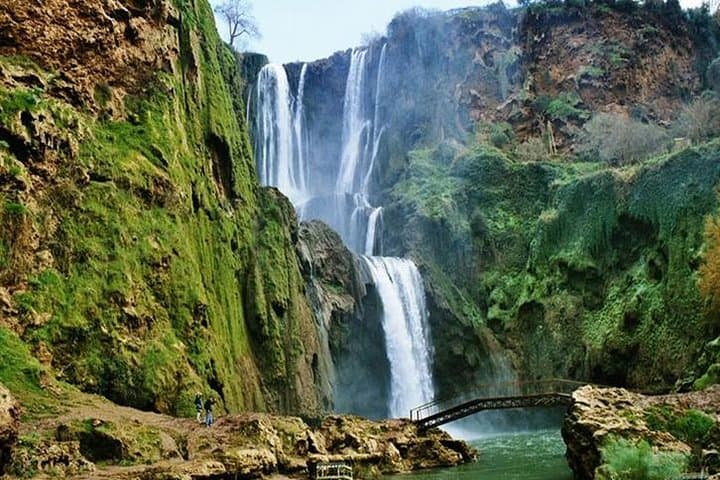
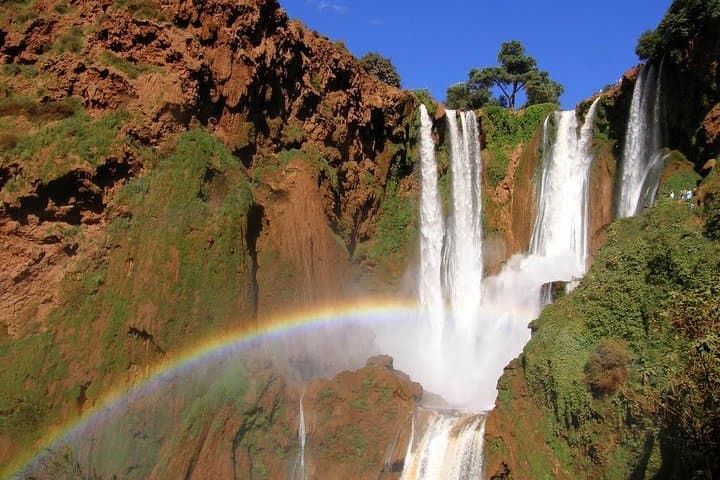
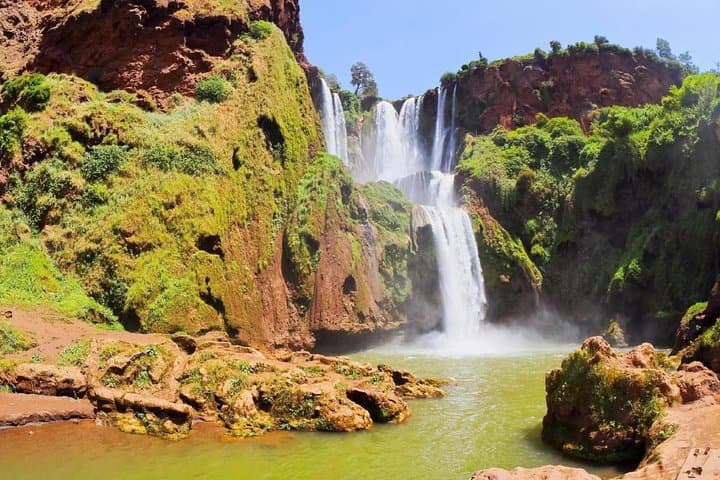
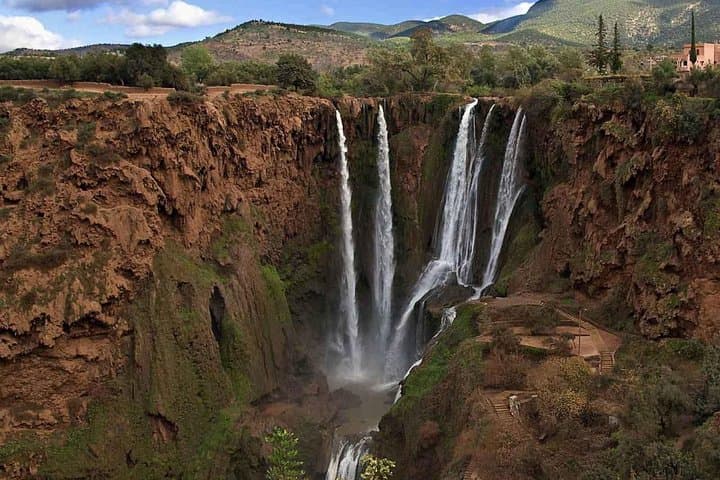
The minivan peels away from Marrakech before dawn and the city’s ochre roofs shrink into a flat plane of light. By midmorning the air cools, the road climbs into the Middle Atlas and a green patchwork of olive groves and cedar-splashed hills opens ahead. Then the sound arrives — not the polite hiss of a distant river but a confident, descending roar. At the top lookout, the Ouzoud Falls reveal themselves: three tiers of water plunging toward the gorge, sheets of white cutting through red-rock cliffs. The river dares you forward; its spray draws arcs of rainbow through the dust-laced sunlight.
The minivan peels away from Marrakech before dawn and the city’s ochre roofs shrink into a flat plane of light. By midmorning the air cools, the road climbs into the Middle Atlas and a green patchwork of olive groves and cedar-splashed hills opens ahead. Then the sound arrives — not the polite hiss of a distant river but a confident, descending roar. At the top lookout, the Ouzoud Falls reveal themselves: three tiers of water plunging toward the gorge, sheets of white cutting through red-rock cliffs. The river dares you forward; its spray draws arcs of rainbow through the dust-laced sunlight.
Ouzoud sits on the edge of human history and older geology. The falls follow fractures carved into Miocene-era sedimentary rock; over thousands of years, water and time have hollowed the gorge and shaped terraces where local Berber farmers have grown olives for centuries. The nearby villages preserve everyday rural Moroccan life — low stone houses, rooftop laundry, and small cafés where tagine simmers and owners exchange news.
Visitors often come for the views, but the visit is layered: short hikes along switchback trails to multiple vantage points, a steep stairway to the base where the plunge pool waits, and the chance to swim in calm stretches of the Al Abid River when conditions allow. Barbary macaques patrol the paths and the trees, inspecting backpacks and offering a reminder of the site’s fragile wildlife.
Practical side: this is a full-day outing from Marrakech, typically 9–11 hours on the road round-trip depending on traffic and hotel pickup points. Expect paved driving that gives way to narrow mountain roads; the hike at Ouzoud itself is not technical but includes uneven rock, stone steps and short steep sections. Bring solid footwear, water and a sense of patience — the falls draw day-trippers and local vendors, especially around the central viewpoints.
Local guides can shorten your decision-making: they point out the best viewpoints for photos, recommend quieter trails that loop up the eastern side, and find a riverside spot for lunch if you want to pay locally instead of at the tourist restaurants. For a more responsible visit, avoid feeding the monkeys, stick to marked trails to prevent erosion, and use local cafés and guides to support the mountain economy.
Timing matters: mornings and late afternoons deliver the softest light and fewer crowds; midday can be busy but often produces rainbows in the mist. Whether you’re chasing a swim, a long lens shot of the falls, or a slow walk through olive terraces, Ouzoud is a day where geology, culture and a loud, insistent river meet — and where even a novice hiker can return to Marrakech with a story of cliffs, cold plunge pools, and a sky hung with water-smoke and color.