THE ADVENTURE COLLECTIVE® · Independent discovery and booking for outdoor travel

Leave Marrakech for a full-day escape to Ouzoud Falls, where stone steps, olive groves and a short boat ride beneath 110-meter cascades make for a compact, immersive day trip. Expect close encounters with Barbary macaques, loud spray, and lunches with a view.
Leave Marrakech for a full-day escape to Ouzoud Falls, where stone steps, olive groves and a short boat ride beneath 110-meter cascades make for a compact, immersive day trip. Expect close encounters with Barbary macaques, loud spray, and lunches with a view.
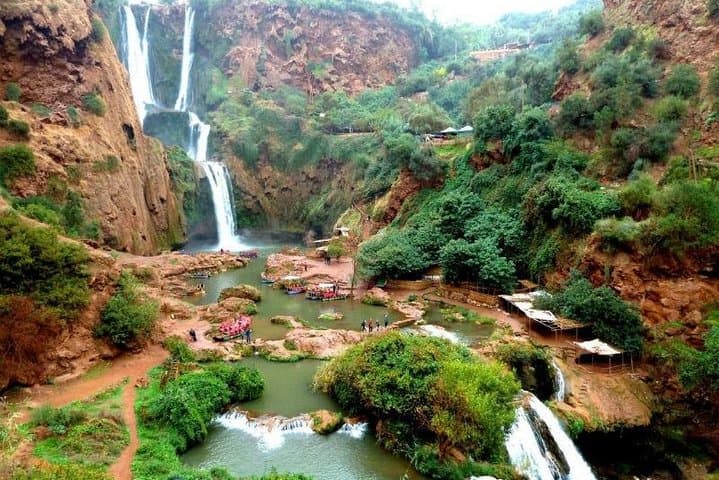
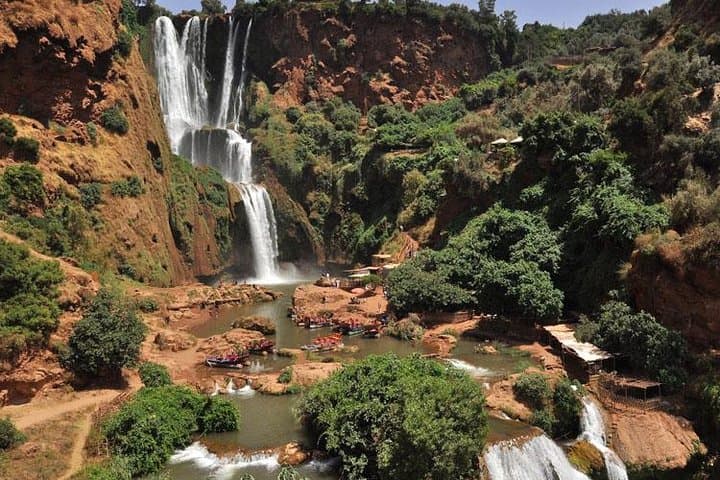
The bus eases out of Marrakech before dawn, palms thinning into scrub and ochre earth stretching like a promise. By late morning the roar arrives first: a long, white exhale that grows louder as the road drops into the valley. Ouzoud Falls appears in stages — first the glint, then the terraces, then the columns of water plunging 110 meters into a pool braided with spray. A guide points to a gangway of stone steps that thread down through olive groves, and suddenly you’re walking into the falls’ wake, droplets freckling your skin.
Verified experiences and guided adventures in the surrounding area.
Operated by CLICK EXCURSIONS · Azilal, Béni Mellal-Khénifra
The bus eases out of Marrakech before dawn, palms thinning into scrub and ochre earth stretching like a promise. By late morning the roar arrives first: a long, white exhale that grows louder as the road drops into the valley. Ouzoud Falls appears in stages — first the glint, then the terraces, then the columns of water plunging 110 meters into a pool braided with spray. A guide points to a gangway of stone steps that thread down through olive groves, and suddenly you’re walking into the falls’ wake, droplets freckling your skin.
Geologically, Ouzoud is the work of time and water carving through layers of red-tinged schists and marls. The falls sit on the El Abid River and spill over a stepped cliff, creating multiple curtains and plunge pools. Historically the area has been a rural meeting point — millstones and terraces around the falls show centuries of local agriculture and traditional watermills that once powered olive presses. Today villagers run small cafes and restaurants on the rim, serving freshly squeezed orange juice and grilled lamb while Barbary macaques claim the trees and rocky ledges nearby, curious and surprisingly bold.
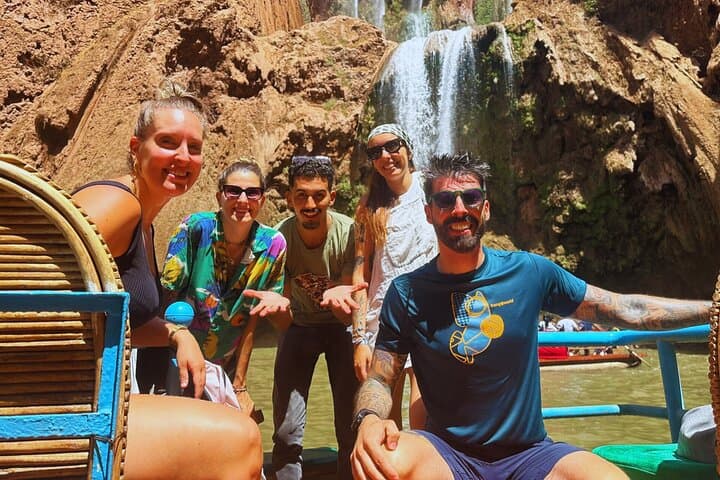
The experience balances two modes: land and water. Expect 1.5–3 km of walking on maintained but uneven trails and steep stone steps; cumulative elevation change is moderate (about 100–200 m as you descend and climb). The boat ride in the basin is short — typically 10–20 minutes — but effective: the skiff draws close enough that spray becomes a deliberate part of the experience, and the sound of the falls shifts from thunder to a persistent hiss.
Practical matters shape the day. The full-day tour from Marrakech runs about 8–11 hours door-to-door, including pickup in an air-conditioned vehicle. Bring sturdy shoes for slippery steps, a refillable water bottle, sun protection and a light rain shell if the forecast looks unsettled. Locals are happy to sell orange juice, snacks and small souvenirs, and most restaurants offer viewpoints overlooking the cascades — reserve a seat if you want the best photo angles at lunch. Keep distance from macaques; they’re entertaining but can snatch bags or food.
Timing matters: early arrival lowers crowds and gives better light for photography; late afternoon brings long shadows and golden edges on the falls. Conservation is informal but present — avoid feeding wildlife, pack out plastics and support local guides and eateries. At the end of the day the bus climbs back toward Marrakech as the valley narrows, the falls receding into a memory of mist and the steady, stubborn pull of water that carved them in the first place.
moderate.
8–11 hours.
Reasonable fitness for up to a few hours of walking on uneven, stepped terrain and short climbs.
Expect about 8–11 hours total including pickup, travel (roughly 2.5–3 hours each way), time at the falls and return to Marrakech.
Boat rides are usually offered as an optional activity at the basin and may be included depending on your booking; check the tour details and be prepared for a small extra fee in some cases.
Swimming is possible in some calm sections of the basin but is not always recommended because currents and conditions change; follow local guide advice and signage.
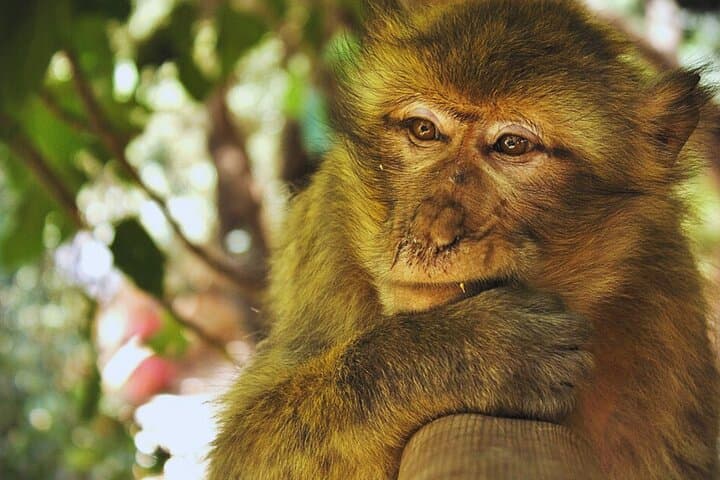
Barbary macaques are not typically aggressive but will snatch food or loose items; do not feed them and keep belongings secured.
The site is accessible for most ages, but the stone steps and uneven paths require mobility; the tour notes say it’s suitable for all fitness levels but plan for some stairs.
Yes — local restaurants and cafes overlook the falls offering Moroccan lunches, drinks and fresh orange juice; vegetarian options are commonly available.
Local mills and terraced fields around Ouzoud reflect centuries of traditional olive cultivation and communal use of the El Abid River.
The area relies on visitor fees and small-scale tourism; avoid single-use plastics, stick to trails and support local guides and eateries to minimize impact.
CLICK EXCURSIONS operates guided outdoor trips and adventures with an emphasis on safety, stewardship, and memorable experiences.
The bus eases out of Marrakech before dawn, palms thinning into scrub and ochre earth stretching like a promise. By late morning the roar arrives first: a long, white exhale that grows louder as the road drops into the valley. Ouzoud Falls appears in stages — first the glint, then the terraces, then the columns of water plunging 110 meters into a pool braided with spray. A guide points to a gangway of stone steps that thread down through olive groves, and suddenly you’re walking into the falls’ wake, droplets freckling your skin.
The bus eases out of Marrakech before dawn, palms thinning into scrub and ochre earth stretching like a promise. By late morning the roar arrives first: a long, white exhale that grows louder as the road drops into the valley. Ouzoud Falls appears in stages — first the glint, then the terraces, then the columns of water plunging 110 meters into a pool braided with spray. A guide points to a gangway of stone steps that thread down through olive groves, and suddenly you’re walking into the falls’ wake, droplets freckling your skin.
Geologically, Ouzoud is the work of time and water carving through layers of red-tinged schists and marls. The falls sit on the El Abid River and spill over a stepped cliff, creating multiple curtains and plunge pools. Historically the area has been a rural meeting point — millstones and terraces around the falls show centuries of local agriculture and traditional watermills that once powered olive presses. Today villagers run small cafes and restaurants on the rim, serving freshly squeezed orange juice and grilled lamb while Barbary macaques claim the trees and rocky ledges nearby, curious and surprisingly bold.
The experience balances two modes: land and water. Expect 1.5–3 km of walking on maintained but uneven trails and steep stone steps; cumulative elevation change is moderate (about 100–200 m as you descend and climb). The boat ride in the basin is short — typically 10–20 minutes — but effective: the skiff draws close enough that spray becomes a deliberate part of the experience, and the sound of the falls shifts from thunder to a persistent hiss.
Practical matters shape the day. The full-day tour from Marrakech runs about 8–11 hours door-to-door, including pickup in an air-conditioned vehicle. Bring sturdy shoes for slippery steps, a refillable water bottle, sun protection and a light rain shell if the forecast looks unsettled. Locals are happy to sell orange juice, snacks and small souvenirs, and most restaurants offer viewpoints overlooking the cascades — reserve a seat if you want the best photo angles at lunch. Keep distance from macaques; they’re entertaining but can snatch bags or food.
Timing matters: early arrival lowers crowds and gives better light for photography; late afternoon brings long shadows and golden edges on the falls. Conservation is informal but present — avoid feeding wildlife, pack out plastics and support local guides and eateries. At the end of the day the bus climbs back toward Marrakech as the valley narrows, the falls receding into a memory of mist and the steady, stubborn pull of water that carved them in the first place.