THE ADVENTURE COLLECTIVE® · Independent discovery and booking for outdoor travel

Escape Marrakech for a day and stand where the El Abid river drops 110 meters into a bowl of spray and rock. The Ouzoud Waterfalls offer waterfalls, resident macaques, village cafés, and walkable trails—an accessible and scenic full‑day adventure.
Escape Marrakech for a day and stand where the El Abid river drops 110 meters into a bowl of spray and rock. The Ouzoud Waterfalls offer waterfalls, resident macaques, village cafés, and walkable trails—an accessible and scenic full‑day adventure.
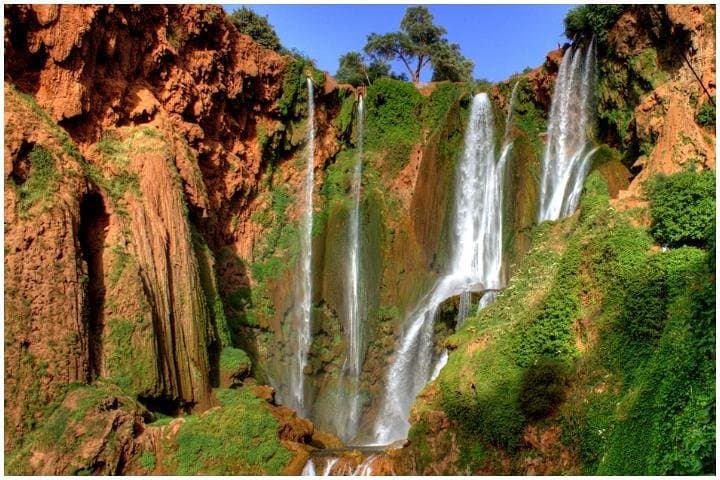
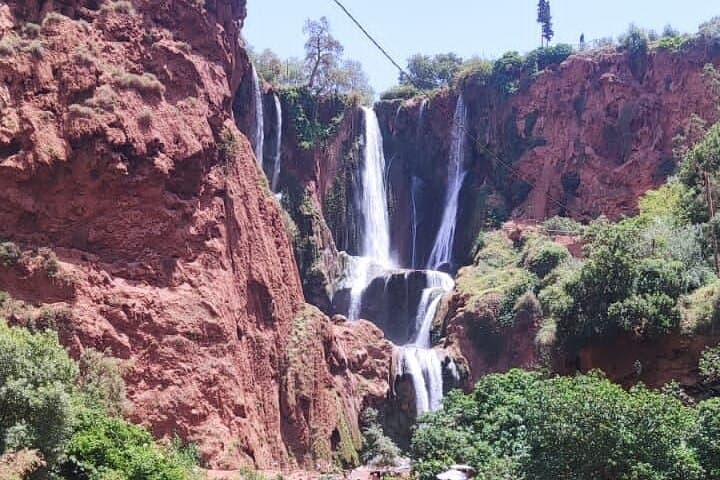
You step out of Marrakech’s ochre hush into a different Morocco—olive groves harden into cliffs and the road climbs toward the High Atlas, the minibus humming as the cedar and citrus scent changes. Three hours later the world opens: water shearing off a 110‑meter edge, spray bright as dust, and a chorus of rushing rivers that seems to dare you to keep still.
Verified experiences and guided adventures in the surrounding area.
Operated by DesertTrail Adventures · Tanaghmeilt, Béni Mellal-Khénifra
You step out of Marrakech’s ochre hush into a different Morocco—olive groves harden into cliffs and the road climbs toward the High Atlas, the minibus humming as the cedar and citrus scent changes. Three hours later the world opens: water shearing off a 110‑meter edge, spray bright as dust, and a chorus of rushing rivers that seems to dare you to keep still.
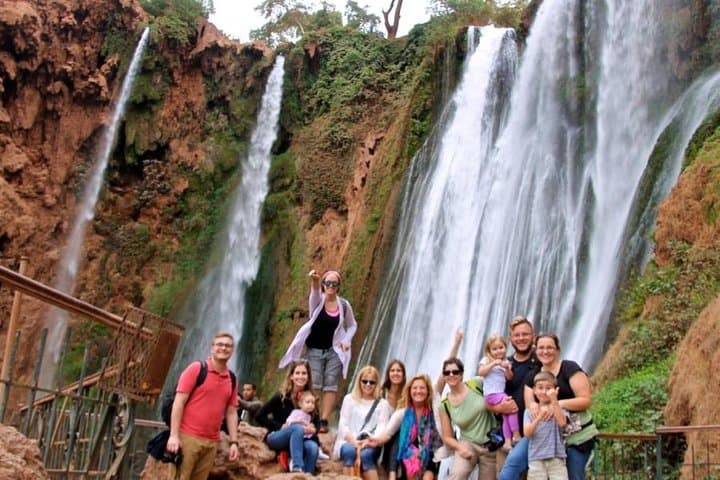
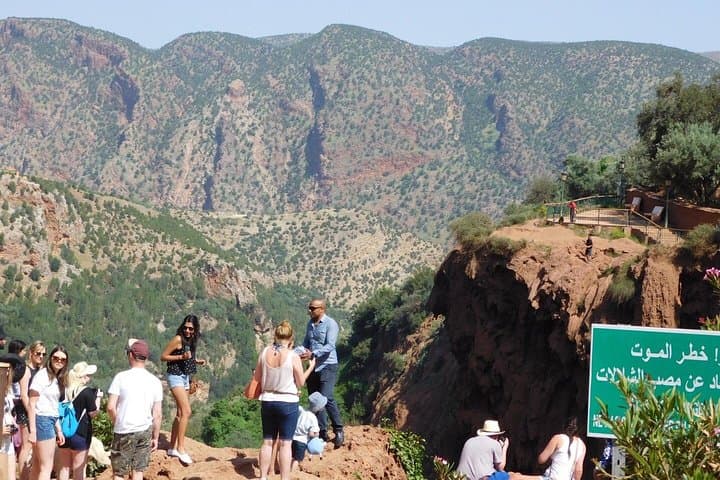
The walkways around Ouzoud are part theater, part working landscape. Stone steps and narrow tracks thread through terraces of ancient olives, shepherded villages, and cafés perched at viewpoints. Barbary macaques claim the cliffs; their curiosity reads like punctuation as visitors pause at the railings. Geologically the falls are carved where the El Abid river cuts limestone and marl, forming steep amphitheaters that channel water into deep plunge pools. Locally, communities in the Tanaghmeilt valley have worked these slopes for centuries—olives, small-scale agriculture and simple guesthouses that give the place its human scale.
Culturally, Ouzoud sits at the edge of Berber country. Expect friendly, straightforward hospitality: tea offers, a quick bargaining smile, and opportunities to try freshly pressed olive oil or tagine in a family-run café. Historically the falls were a waypoint for local trade routes and today they function as both a working landscape and a tourist magnet. Conservation here is pragmatic: stick to marked paths, avoid feeding wildlife, and favor local guides who rely on sustainable visitor income.
Practicalities are simple and essential. Most full-day tours pick up in Marrakech’s medina early and return by about 18:00, giving roughly four hours at the cascades. Trails range from easy paved viewpoints to stepped, uneven routes to the lower pools—expect loose stone, wet surfaces, and some short climbs. Swimming is common in the natural pools; water can be cold even in summer. Bring cash for small cafés and tips; facilities are basic but sufficient.
Timing matters: arrive mid-morning to catch the light across the falls and to avoid late‑afternoon coach congestion. Wear sturdy shoes with grip, sun protection, and a light rain layer in winter months when flows increase and trails can be muddy. Binoculars or a zoom lens reward patient watchers—raptors and river birds patrol the gorge.
This is a day trip that balances spectacle with tactile rewards: the slap of spray on your face, the peppered clack of monkey calls, and the slow, human rhythm of olive terraces. It’s travel that asks you to slow down and follow the river downward.
moderate.
8 hours.
Comfortable walking fitness for several hours, able to handle uneven, stepped trails and short climbs
Expect approximately a 2.5–3 hour one‑way drive depending on traffic and stops—tours typically include return transport and last around 8 hours total.
Yes—there are natural plunge pools at the base suitable for swimming; water can be cold and currents strong, so exercise caution and check local conditions.
Many viewpoints are accessible via paved paths, but lower trails involve steps and uneven surfaces; the tour is broadly suitable for most ages but mobility issues may limit access to lower viewpoints.
Yes, Barbary macaques are common near the falls; they are wild animals—avoid feeding or touching them and secure loose items.
Lunch policies vary by operator—most tours allow time at local cafés where you can buy tagine or snacks; check the specific tour inclusions when booking.
Spring and fall offer pleasant temperatures and lower crowds; summer is hot but good for swimming; winter brings higher flows and a moodier landscape but potential rain.
The falls sit on traditional Berber lands where centuries of olive cultivation and small‑scale farming shaped terraces and village life along the El Abid river.
High visitor numbers can stress trails and wildlife—use marked paths, avoid feeding animals, and support local guides and businesses to keep tourism sustainable.
DesertTrail Adventures operates guided outdoor trips and adventures with an emphasis on safety, stewardship, and memorable experiences.
You step out of Marrakech’s ochre hush into a different Morocco—olive groves harden into cliffs and the road climbs toward the High Atlas, the minibus humming as the cedar and citrus scent changes. Three hours later the world opens: water shearing off a 110‑meter edge, spray bright as dust, and a chorus of rushing rivers that seems to dare you to keep still.
You step out of Marrakech’s ochre hush into a different Morocco—olive groves harden into cliffs and the road climbs toward the High Atlas, the minibus humming as the cedar and citrus scent changes. Three hours later the world opens: water shearing off a 110‑meter edge, spray bright as dust, and a chorus of rushing rivers that seems to dare you to keep still.
The walkways around Ouzoud are part theater, part working landscape. Stone steps and narrow tracks thread through terraces of ancient olives, shepherded villages, and cafés perched at viewpoints. Barbary macaques claim the cliffs; their curiosity reads like punctuation as visitors pause at the railings. Geologically the falls are carved where the El Abid river cuts limestone and marl, forming steep amphitheaters that channel water into deep plunge pools. Locally, communities in the Tanaghmeilt valley have worked these slopes for centuries—olives, small-scale agriculture and simple guesthouses that give the place its human scale.
Culturally, Ouzoud sits at the edge of Berber country. Expect friendly, straightforward hospitality: tea offers, a quick bargaining smile, and opportunities to try freshly pressed olive oil or tagine in a family-run café. Historically the falls were a waypoint for local trade routes and today they function as both a working landscape and a tourist magnet. Conservation here is pragmatic: stick to marked paths, avoid feeding wildlife, and favor local guides who rely on sustainable visitor income.
Practicalities are simple and essential. Most full-day tours pick up in Marrakech’s medina early and return by about 18:00, giving roughly four hours at the cascades. Trails range from easy paved viewpoints to stepped, uneven routes to the lower pools—expect loose stone, wet surfaces, and some short climbs. Swimming is common in the natural pools; water can be cold even in summer. Bring cash for small cafés and tips; facilities are basic but sufficient.
Timing matters: arrive mid-morning to catch the light across the falls and to avoid late‑afternoon coach congestion. Wear sturdy shoes with grip, sun protection, and a light rain layer in winter months when flows increase and trails can be muddy. Binoculars or a zoom lens reward patient watchers—raptors and river birds patrol the gorge.
This is a day trip that balances spectacle with tactile rewards: the slap of spray on your face, the peppered clack of monkey calls, and the slow, human rhythm of olive terraces. It’s travel that asks you to slow down and follow the river downward.