THE ADVENTURE COLLECTIVE® · Independent discovery and booking for outdoor travel

A full-day escape from Marrakech delivers 110 metres of tiered waterfalls, olive-groved ridgelines, and close encounters with local Berber life. This guide walks you through the route, practical gear, and what to expect at Ouzoud Falls.
A full-day escape from Marrakech delivers 110 metres of tiered waterfalls, olive-groved ridgelines, and close encounters with local Berber life. This guide walks you through the route, practical gear, and what to expect at Ouzoud Falls.
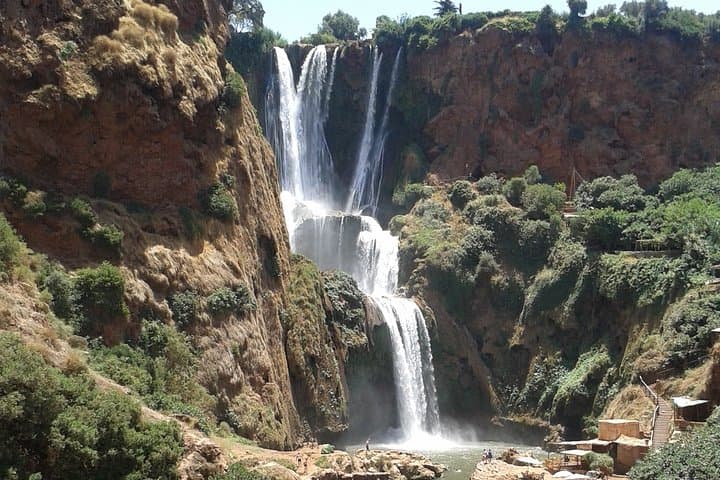
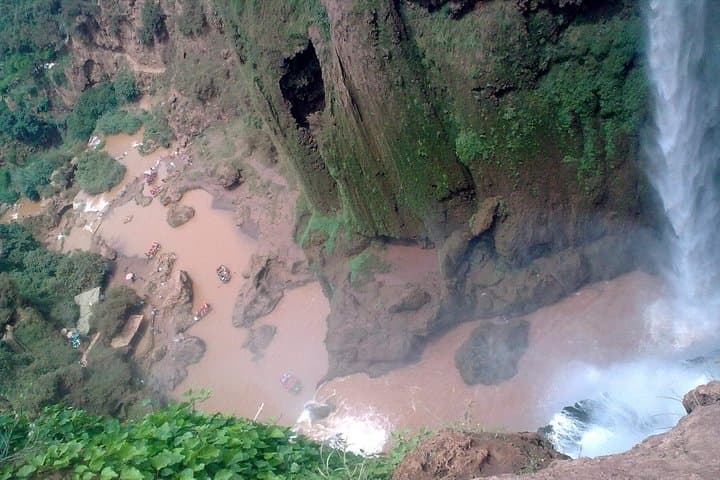
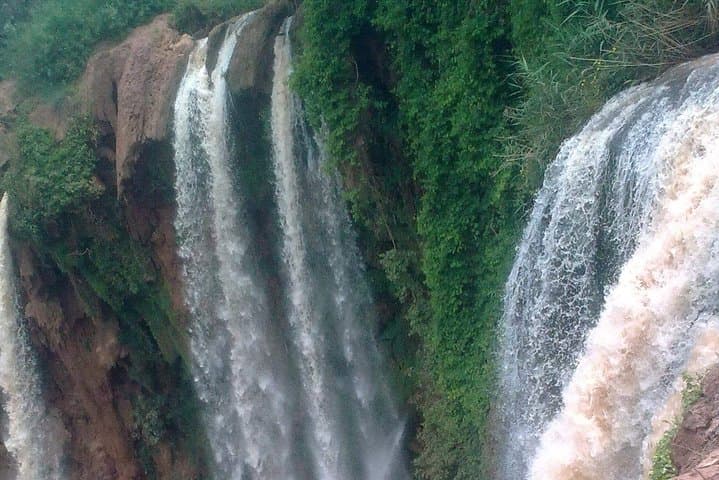
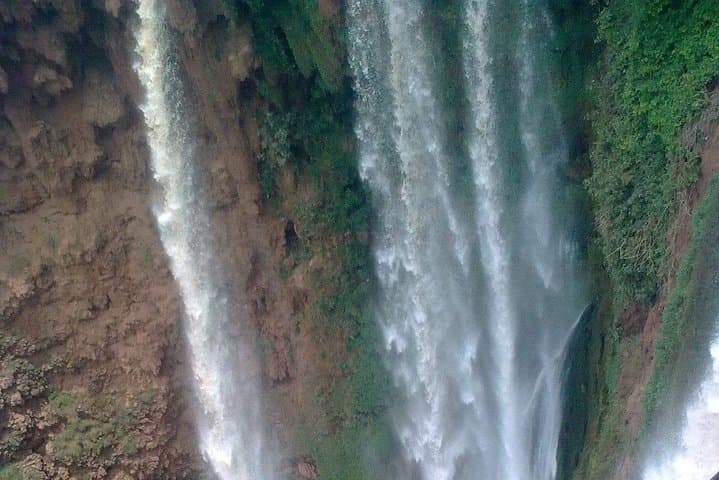
The road out of Marrakech opens into a different Morocco: narrow ribbons of asphalt threading past silver-green olive groves, low stone houses, and wide, wind-patted plains. Three hours from the city, the El-Abid River announces itself first as a distant roar, then as spray that cools your face before you can see the fall. At the lip of Ouzoud, water pours over stepped cliffs and tumbles in curtains across an amphitheater of red rock; the plunge splits into tiers and pools, and the canyon seems to breathe.
Verified experiences and guided adventures in the surrounding area.
Operated by Go Morocco Travel · Azilal, Marrakech-Safi
The road out of Marrakech opens into a different Morocco: narrow ribbons of asphalt threading past silver-green olive groves, low stone houses, and wide, wind-patted plains. Three hours from the city, the El-Abid River announces itself first as a distant roar, then as spray that cools your face before you can see the fall. At the lip of Ouzoud, water pours over stepped cliffs and tumbles in curtains across an amphitheater of red rock; the plunge splits into tiers and pools, and the canyon seems to breathe.
Ouzoud sits on the northern edge of the High Atlas foothills in Azilal province, where rivers cut through Miocene and Pliocene sediments to reveal benches and strata. The falls drop roughly 110 metres across multiple cascades, an arrangement that created the deep plunge pools and rocky terraces you walk along today. The valley’s terraced olive groves have been worked by local Amazigh (Berber) communities for centuries; many of the small villages around the falls still press their own oil and sell simple tagines to travelers.
Culturally the site is a meeting point: local guides with practiced routes, families selling fresh orange juice on the rim, and vendors offering pottery and scarves. Wildlife has adapted to the visitor traffic — groups of Barbary macaques patrol the trees above the overlooks, and during migration season kingfishers and bee-eaters hunt the river. Historically the area was a modest stopping point on interior trade routes; today it’s one of Morocco’s most visited natural sites, where geology and human history are visible in the stone walls and irrigation channels.
Practical guidance: plan for stairs and uneven rock. The main loop from the top rim down to the base and back is roughly 3 km with a cumulative elevation change of about 150–200 m — expect steep stone steps, muddy patches after rain, and exposed viewpoints. The tour’s schedule typically allows about three hours on site; that’s enough time to descend, take a boat ride at the base when available, and climb back up at a measured pace.
Footwear should be grippy and broken-in; carry 2L of water, sun protection, and a light layer for the breezy rim. Swimming in the pools is possible in calm weather but currents and submerged rocks make it risky — follow local advice and avoid going far from the shore. Don’t feed the macaques and keep valuables zipped; bring cash for small purchases and tips. For photos, arrive early or late afternoon for softer light and fewer tour buses. If you want a quieter experience, ask for a private or small-group timing — the route’s charm is at its best when you can hear the falls over the chatter of the crowds.
moderate.
9 hours (full-day tour, ~3 hours on-site).
Moderate fitness recommended — ability to climb and descend steep stone steps repeatedly.
Expect about 2.5–3 hours each way depending on traffic; most operators include hotel pickup and drop-off.
Yes, in small pools at the base when conditions are calm, but currents and submerged rocks mean you should follow local advice and avoid risky areas.
They are wild and can be bold; don’t feed them, keep a safe distance, and secure loose items — they’ll grab food or bags.
The rim and some viewpoints are reachable but the path to the base includes many steps and uneven surfaces — not suitable for wheelchairs or strollers.
This tour typically includes bottled water and transport; meals are not usually included but there are restaurants and snack stalls near the falls.
No, you can explore independently, but hiring a local guide enriches the walk with cultural context and shortcuts on the paths.
The area around Ouzoud has long been managed by Amazigh (Berber) communities; traditional irrigation and terracing shaped the valley and support local olive cultivation.
Keep to marked paths, avoid feeding wildlife, and carry out plastic — tourism pressure threatens trails and local water quality.
Go Morocco Travel operates guided outdoor trips and adventures with an emphasis on safety, stewardship, and memorable experiences.
The road out of Marrakech opens into a different Morocco: narrow ribbons of asphalt threading past silver-green olive groves, low stone houses, and wide, wind-patted plains. Three hours from the city, the El-Abid River announces itself first as a distant roar, then as spray that cools your face before you can see the fall. At the lip of Ouzoud, water pours over stepped cliffs and tumbles in curtains across an amphitheater of red rock; the plunge splits into tiers and pools, and the canyon seems to breathe.
The road out of Marrakech opens into a different Morocco: narrow ribbons of asphalt threading past silver-green olive groves, low stone houses, and wide, wind-patted plains. Three hours from the city, the El-Abid River announces itself first as a distant roar, then as spray that cools your face before you can see the fall. At the lip of Ouzoud, water pours over stepped cliffs and tumbles in curtains across an amphitheater of red rock; the plunge splits into tiers and pools, and the canyon seems to breathe.
Ouzoud sits on the northern edge of the High Atlas foothills in Azilal province, where rivers cut through Miocene and Pliocene sediments to reveal benches and strata. The falls drop roughly 110 metres across multiple cascades, an arrangement that created the deep plunge pools and rocky terraces you walk along today. The valley’s terraced olive groves have been worked by local Amazigh (Berber) communities for centuries; many of the small villages around the falls still press their own oil and sell simple tagines to travelers.
Culturally the site is a meeting point: local guides with practiced routes, families selling fresh orange juice on the rim, and vendors offering pottery and scarves. Wildlife has adapted to the visitor traffic — groups of Barbary macaques patrol the trees above the overlooks, and during migration season kingfishers and bee-eaters hunt the river. Historically the area was a modest stopping point on interior trade routes; today it’s one of Morocco’s most visited natural sites, where geology and human history are visible in the stone walls and irrigation channels.
Practical guidance: plan for stairs and uneven rock. The main loop from the top rim down to the base and back is roughly 3 km with a cumulative elevation change of about 150–200 m — expect steep stone steps, muddy patches after rain, and exposed viewpoints. The tour’s schedule typically allows about three hours on site; that’s enough time to descend, take a boat ride at the base when available, and climb back up at a measured pace.
Footwear should be grippy and broken-in; carry 2L of water, sun protection, and a light layer for the breezy rim. Swimming in the pools is possible in calm weather but currents and submerged rocks make it risky — follow local advice and avoid going far from the shore. Don’t feed the macaques and keep valuables zipped; bring cash for small purchases and tips. For photos, arrive early or late afternoon for softer light and fewer tour buses. If you want a quieter experience, ask for a private or small-group timing — the route’s charm is at its best when you can hear the falls over the chatter of the crowds.