THE ADVENTURE COLLECTIVE® · Independent discovery and booking for outdoor travel

A full‑day trip from Marrakech that pairs the mist and basalt steps of Ouzoud Falls with the limestone arch of Imi n’Ifri near Demnate. Expect scenic drives, short hikes on uneven terrain, and close encounters with local Berber culture.
A full‑day trip from Marrakech that pairs the mist and basalt steps of Ouzoud Falls with the limestone arch of Imi n’Ifri near Demnate. Expect scenic drives, short hikes on uneven terrain, and close encounters with local Berber culture.
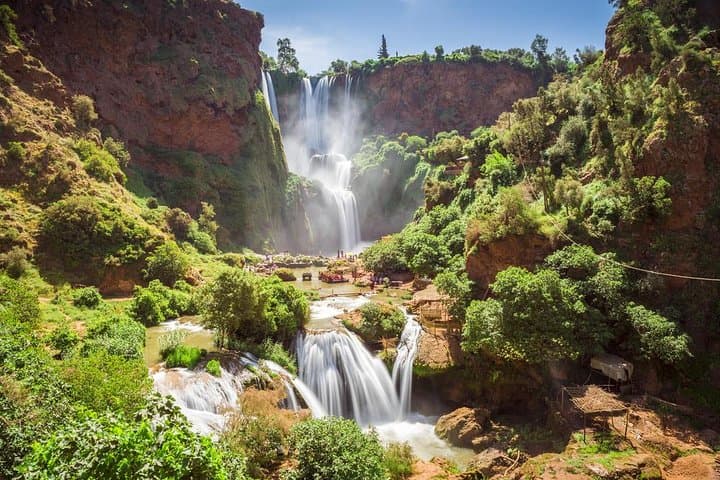
The day begins with the steady roar of water and a bright spray that cools the air—Ouzoud Falls announces itself before the road does. Olive terraces and craggy cliffs frame a ribbon of water that tumbles in steps, sending mist and sparrows into motion while boats and footpaths thread the canyon.
Verified experiences and guided adventures in the surrounding area.
Operated by Time Out travel · Marrakech, Marrakech-Safi
The day begins with the steady roar of water and a bright spray that cools the air—Ouzoud Falls announces itself before the road does. Olive terraces and craggy cliffs frame a ribbon of water that tumbles in steps, sending mist and sparrows into motion while boats and footpaths thread the canyon.
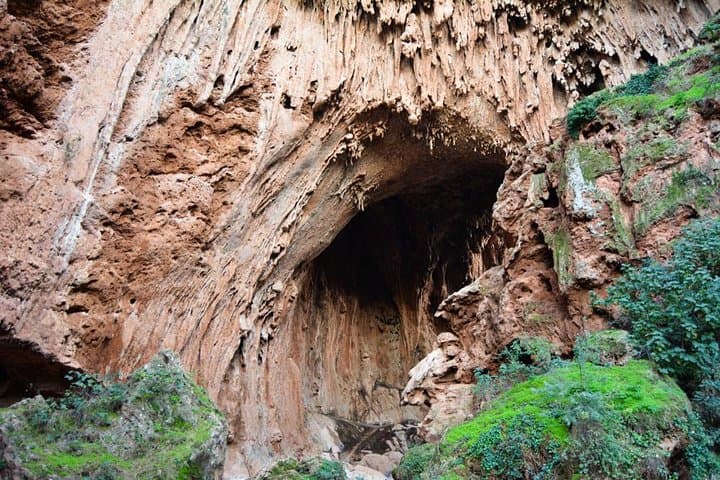
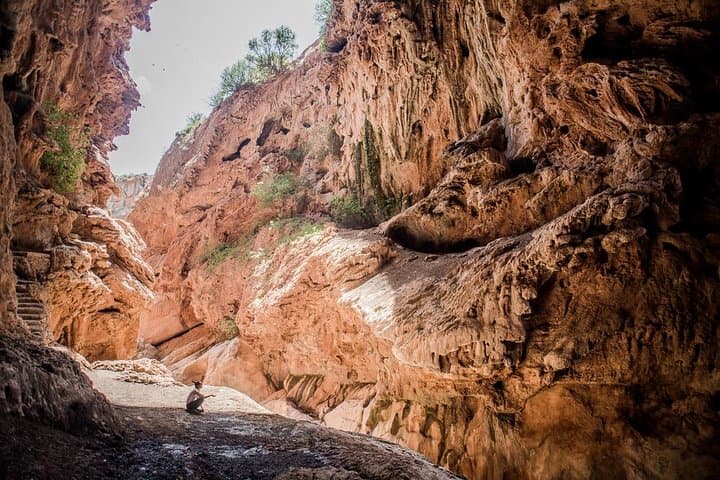
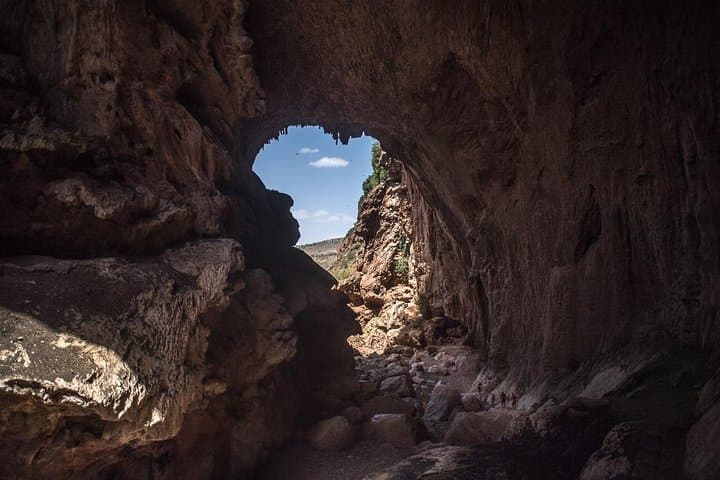
Geology here is honest: layered limestone and shale carved over millennia, creating the falls’ plunge pools and the Imi n'Ifri natural bridge east of Demnate, a 30‑meter arch cut by persistent water and time. The arch—Ifri, “mouth” in Berber—stands like a doorway where local shepherds and birds find shelter. Culturally, this route moves through Berber countryside: villages with painted houses, markets selling olives and flatbread, and guides who can point out dinosaur tracks reputedly visible on nearby plates of rock.
Practically, expect a long but accessible day. The full tour runs roughly 8–9 hours from Marrakech by air‑conditioned vehicle with hotel pickup. Terrain at the falls includes paved view points and uneven stone paths with steps; Imi n'Ifri requires a short walk over soft limestone and dirt trails. Total walking for the day is light to moderate—plan on 2–5 km on foot with modest elevation change.
Bring sturdy shoes for slick stones, sun protection, and a refillable water bottle; a telephoto or zoom is useful for birds and cliffside views. Timing matters: midmorning or late afternoon light gives the canyon depth and avoids the hottest hours. Respect local customs, keep to marked paths, and leave no trace—these landscapes endure because visitors tread lightly.
moderate.
8–9 hours.
Suitable for travelers who can walk 2–5 km over uneven ground and climb stairs; not technical but requires mobility.
Expect roughly 2–3 hours each way depending on traffic and stops; the full tour is typically 8–9 hours including site time.
No technical climbing is required; paths include steps and uneven stone and are suitable for most fitness levels, though care is needed on wet sections.
Policies vary by operator—confirm at booking, but many day tours include transport and guide while local site fees may be paid onsite.
Yes—look for birds, swifts, and often Barbary macaques around the falls; keep distance and do not feed animals.
The region sits on folded limestone of the High Atlas foothills; Imi n'Ifri has been a known local landmark for generations and features in Berber place names and oral histories.
Sites are popular; stick to marked paths, avoid feeding wildlife, and pack out trash—local guides often support small conservation and community projects.
Time Out travel operates guided outdoor trips and adventures with an emphasis on safety, stewardship, and memorable experiences.
The day begins with the steady roar of water and a bright spray that cools the air—Ouzoud Falls announces itself before the road does. Olive terraces and craggy cliffs frame a ribbon of water that tumbles in steps, sending mist and sparrows into motion while boats and footpaths thread the canyon.
The day begins with the steady roar of water and a bright spray that cools the air—Ouzoud Falls announces itself before the road does. Olive terraces and craggy cliffs frame a ribbon of water that tumbles in steps, sending mist and sparrows into motion while boats and footpaths thread the canyon.
Geology here is honest: layered limestone and shale carved over millennia, creating the falls’ plunge pools and the Imi n'Ifri natural bridge east of Demnate, a 30‑meter arch cut by persistent water and time. The arch—Ifri, “mouth” in Berber—stands like a doorway where local shepherds and birds find shelter. Culturally, this route moves through Berber countryside: villages with painted houses, markets selling olives and flatbread, and guides who can point out dinosaur tracks reputedly visible on nearby plates of rock.
Practically, expect a long but accessible day. The full tour runs roughly 8–9 hours from Marrakech by air‑conditioned vehicle with hotel pickup. Terrain at the falls includes paved view points and uneven stone paths with steps; Imi n'Ifri requires a short walk over soft limestone and dirt trails. Total walking for the day is light to moderate—plan on 2–5 km on foot with modest elevation change.
Bring sturdy shoes for slick stones, sun protection, and a refillable water bottle; a telephoto or zoom is useful for birds and cliffside views. Timing matters: midmorning or late afternoon light gives the canyon depth and avoids the hottest hours. Respect local customs, keep to marked paths, and leave no trace—these landscapes endure because visitors tread lightly.