THE ADVENTURE COLLECTIVE® · Independent discovery and booking for outdoor travel

Trade Marrakech’s medina maze for the raw rush of Ouzoud: a 110‑meter waterfall, cliffside cafés, and curious Barbary macaques. This full‑day trip pairs an easy loop hike with local flavors and guaranteed views.
Trade Marrakech’s medina maze for the raw rush of Ouzoud: a 110‑meter waterfall, cliffside cafés, and curious Barbary macaques. This full‑day trip pairs an easy loop hike with local flavors and guaranteed views.
You arrive as the canyon exhales: mist rising, a thunder of water, and the smell of damp earth and lemon tagine drifting from a cliffside café. The 110‑meter cascade known as Ouzoud Falls drops in segmented curtains over red rock, olive groves clinging to terraces, and narrow paths that push you close enough to feel the spray.
Verified experiences and guided adventures in the surrounding area.
Operated by Issil Transport · Ouzoud, Béni Mellal-Khénifra
You arrive as the canyon exhales: mist rising, a thunder of water, and the smell of damp earth and lemon tagine drifting from a cliffside café. The 110‑meter cascade known as Ouzoud Falls drops in segmented curtains over red rock, olive groves clinging to terraces, and narrow paths that push you close enough to feel the spray.
The falls sit on an ancient landscape carved by the El‑Abid River and shaped by Atlas foothill geology — hard sandstone and shales fractured into steps and cliffs. The valley is dotted with small Berber villages whose terraced olives and orchids supply nearby markets. Local cafés serve slow‑cooked tagines and mint tea; watch for Barbary macaques that have learned how friendly—and how bold—tourists can be.
Expect a loop of paved viewpoints and dirt trails with roots and loose rock; the main descent is family‑friendly but requires steady shoes. Lunch on a terrace with a view is a practical cultural exchange: pay for the meal, talk to a local, and leave the site cleaner than you found it. The day trip from Marrakech is long — plan on early pickup and a late return — but the payoff is a clear, powerful waterfall, birdlife in the cliffs, and easy swimming in calmer pools below.
Practical: bring layered clothing, refillable water, and a daypack for camera, rain shell, and sunscreen. Morning light is best for photos and cooler air; afternoons offer warmer swimming options. Respect the monkeys (don’t feed them) and follow local guides’ advice for safe viewpoints.
easy.
9–12 hours.
Suitable for travelers with basic fitness who can handle repeated stairs and short hikes; no endurance training required.
The road is about 150–170 km and typically takes 2.5–3.5 hours each way, depending on traffic and stops.
Yes—main viewpoints and the café terraces are accessible to most; some sections include stairs and uneven ground, so take it slow.
Yes, there are calmer pools downstream where swimming is common; always assess currents and avoid the base directly under the main drop.
Barbary macaques frequent the area and often approach visitors, but they are wild—do not feed them and secure loose items.
The falls sit in a long‑inhabited Atlas foothill zone where Berber communities farm terraces and olive groves; the site has been a local meeting place for centuries.
Tourism supports local livelihoods but brings litter and wildlife disturbance; stick to marked paths, avoid feeding animals, and use local guides and cafés to benefit the community.
Issil Transport operates guided outdoor trips and adventures with an emphasis on safety, stewardship, and memorable experiences.
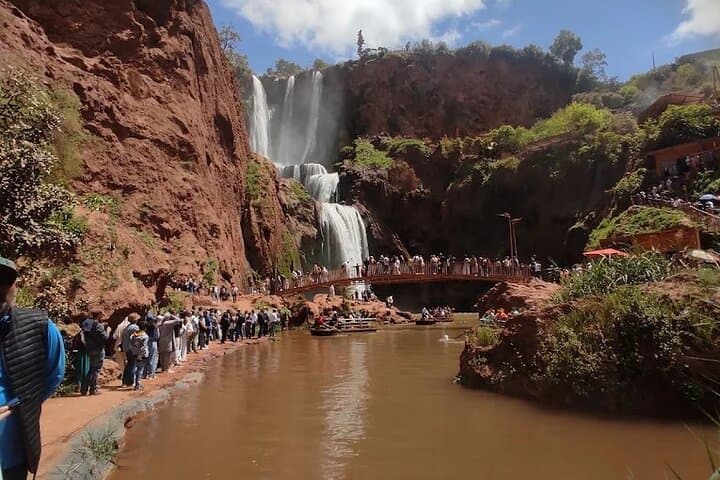
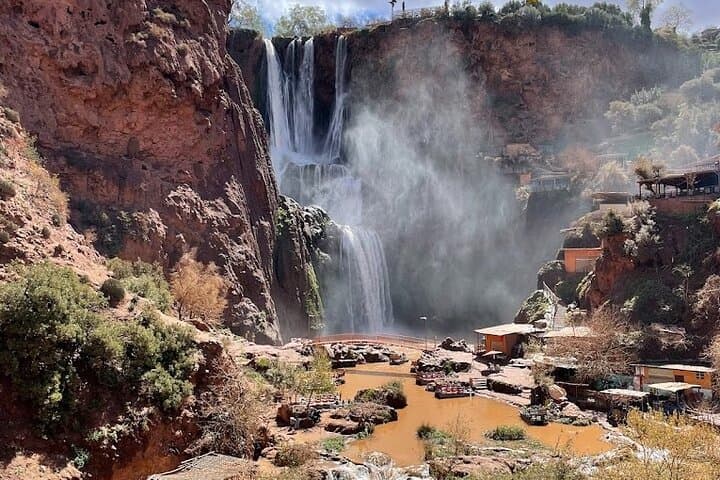
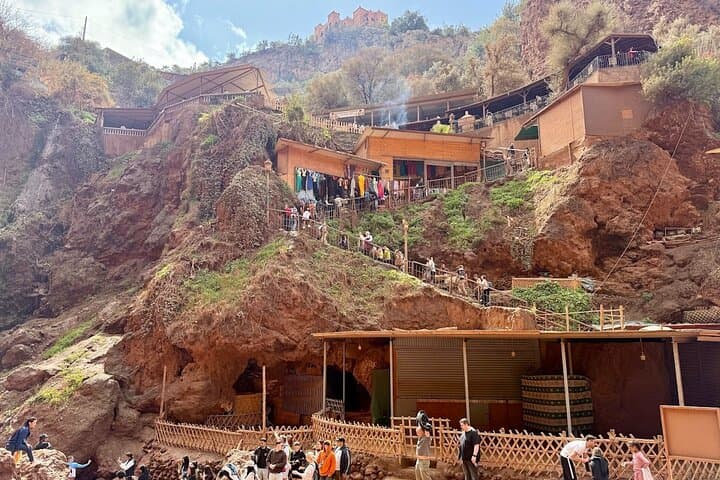
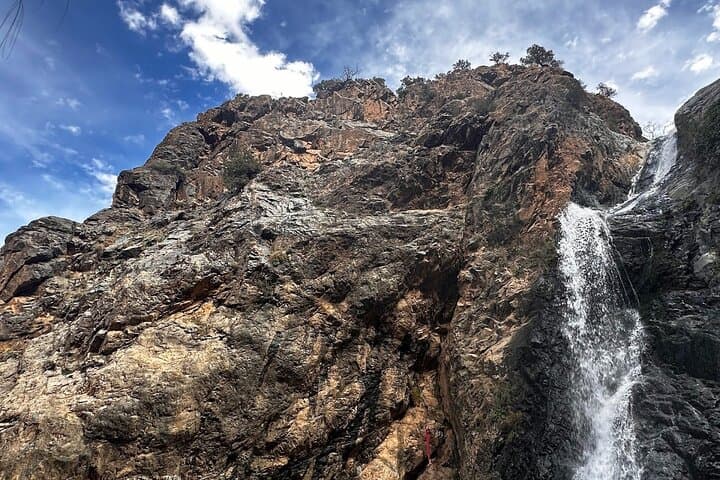
You arrive as the canyon exhales: mist rising, a thunder of water, and the smell of damp earth and lemon tagine drifting from a cliffside café. The 110‑meter cascade known as Ouzoud Falls drops in segmented curtains over red rock, olive groves clinging to terraces, and narrow paths that push you close enough to feel the spray.
You arrive as the canyon exhales: mist rising, a thunder of water, and the smell of damp earth and lemon tagine drifting from a cliffside café. The 110‑meter cascade known as Ouzoud Falls drops in segmented curtains over red rock, olive groves clinging to terraces, and narrow paths that push you close enough to feel the spray.
The falls sit on an ancient landscape carved by the El‑Abid River and shaped by Atlas foothill geology — hard sandstone and shales fractured into steps and cliffs. The valley is dotted with small Berber villages whose terraced olives and orchids supply nearby markets. Local cafés serve slow‑cooked tagines and mint tea; watch for Barbary macaques that have learned how friendly—and how bold—tourists can be.
Expect a loop of paved viewpoints and dirt trails with roots and loose rock; the main descent is family‑friendly but requires steady shoes. Lunch on a terrace with a view is a practical cultural exchange: pay for the meal, talk to a local, and leave the site cleaner than you found it. The day trip from Marrakech is long — plan on early pickup and a late return — but the payoff is a clear, powerful waterfall, birdlife in the cliffs, and easy swimming in calmer pools below.
Practical: bring layered clothing, refillable water, and a daypack for camera, rain shell, and sunscreen. Morning light is best for photos and cooler air; afternoons offer warmer swimming options. Respect the monkeys (don’t feed them) and follow local guides’ advice for safe viewpoints.