THE ADVENTURE COLLECTIVE® · Independent discovery and booking for outdoor travel

A full-day escape from Marrakech brings you to Ouzoud’s tiered waterfalls, olive terraces, and river pools. Expect steep stone paths, wild macaques, and a few hours of walking punctuated by boat rides, village cafés, and dramatic viewpoints.
A full-day escape from Marrakech brings you to Ouzoud’s tiered waterfalls, olive terraces, and river pools. Expect steep stone paths, wild macaques, and a few hours of walking punctuated by boat rides, village cafés, and dramatic viewpoints.
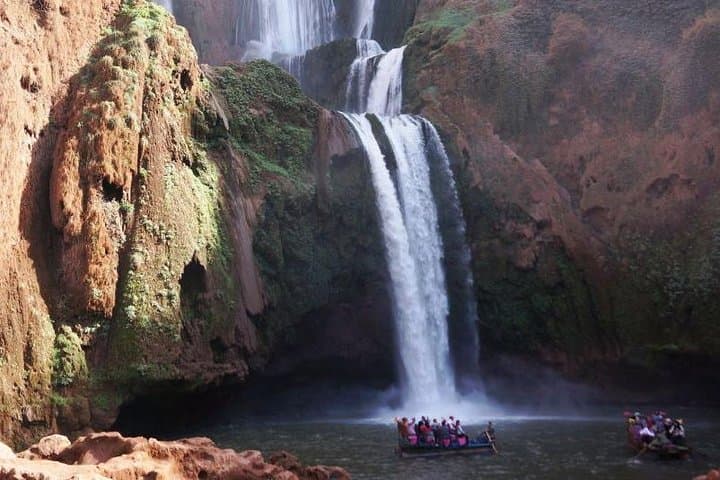
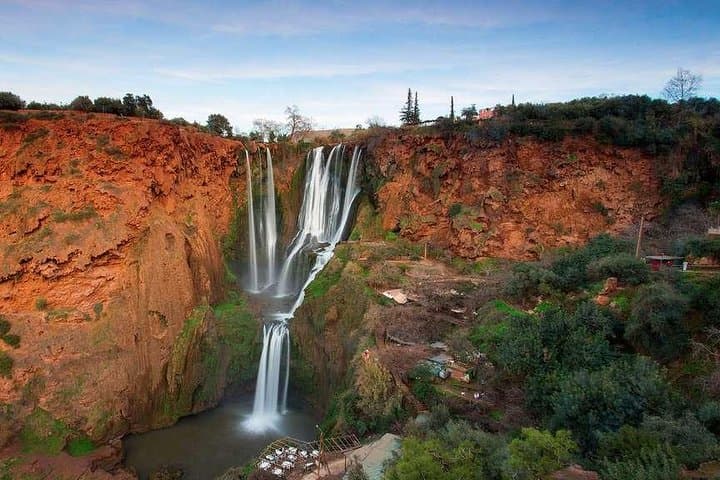
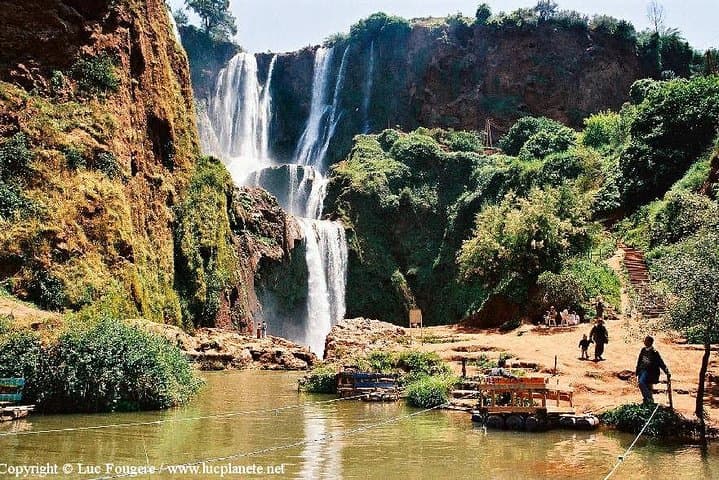
You arrive on a narrow lane threaded with olive trees, the road shaking off Marrakech’s dust as the landscape leans into the High Atlas. The first roar reaches you before the falls come into view: a blunt, tumbling sound that grows until the canyon opens and water slices the valley. Ouzoud doesn’t ask for subtlety—white curtains of water drop in tiers, mist pricking your face, and the Al Abid River runs impatient and cool, daring you to step closer.
Verified experiences and guided adventures in the surrounding area.
Operated by Excursions Marrakech · Azilal, Béni Mellal-Khénifra
You arrive on a narrow lane threaded with olive trees, the road shaking off Marrakech’s dust as the landscape leans into the High Atlas. The first roar reaches you before the falls come into view: a blunt, tumbling sound that grows until the canyon opens and water slices the valley. Ouzoud doesn’t ask for subtlety—white curtains of water drop in tiers, mist pricking your face, and the Al Abid River runs impatient and cool, daring you to step closer.
The falls have shaped local life for centuries. Berber villages cling to the surrounding hills, their stone houses and terraces echoing agricultural rhythms that predate modern maps. Geologically, Ouzoud sits where Miocene sedimentary layers tilt and fracture; water exploits joints and creates the series of ledges that give the falls their stepped profile. Olive groves—and the millstones they produce—are the immediate cultural backdrop: many of the area’s small cafés and mule tracks exist because of that long relationship between tree and people.
The day trip is practical by design. From Marrakech you’ll set out early for a roughly 1.5–2.5 hour drive each way, giving about 4–5 hours on site. Expect 2–4 km of walking on stone stairs and dirt tracks with roughly 150–250 m of elevation change if you follow the full viewpoints and the river path to the pool. Terrain is mixed—paved observation platforms, narrow switchbacks, and damp, uneven rock near the water.
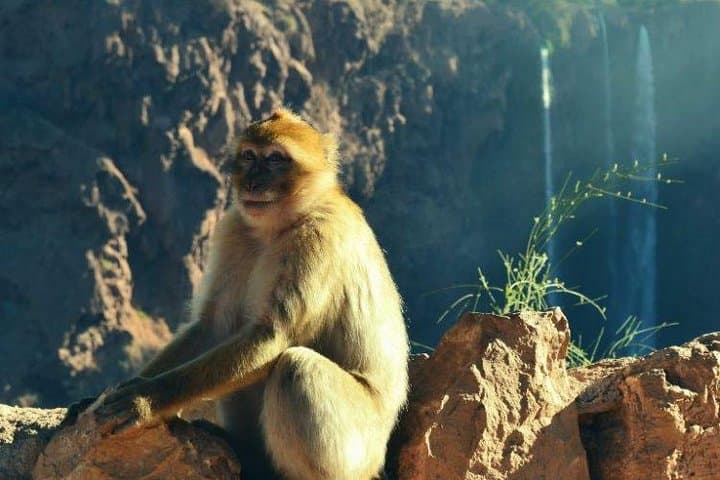
Wild monkeys—Barbary macaques—are part of the scene, often bold in their pursuit of snacks; they add charm but demand common-sense distance. Locals run boat rides to the base of the main drop and simple cafés serve tagine and freshly pressed orange juice; cash is the default. If you plan to swim, choose the calmer pools and watch currents and depth—there are no lifeguards.
Practical timing matters: late morning light flatters the upper tiers, while late afternoon brings the canyon into richer contrast and cooler air. Footwear with grip, layers for spray and shade, and a refillable water bottle make the trip comfortable. Respect local customs—modest dress at villages—and treat the landscape gently: stick to paths, dispose of waste properly, and consider hiring a local guide for deeper cultural context.
This is a day that blends blunt hydrology with everyday mountain life—an easy, immediate way to feel Morocco’s rivered interior without an overnight pack. Whether you’re after the photograph, a quick river dip, or the simple satisfaction of following a waterfall to its plunge pool, Ouzoud delivers a full, tactile day out of Marrakech.
moderate.
9 hours (approx.).
Moderate fitness—comfortable walking on uneven terrain and some elevation change required
Expect 1.5–2.5 hours each way depending on traffic and stops; the tour itinerary usually allows about 4–5 hours at the falls.
Yes—there are calm pools suitable for swimming, but currents vary; use caution, avoid deep areas, and swim where locals recommend.
Local guides and boat operators work the site; hiring one supports the community and can improve your understanding of the area.
Barbary macaques are common and often near viewpoints; they’re used to people but should not be fed or approached closely.
Yes—small cafés and stands sell tagine, grilled fish, pastries and fresh juice; bring cash for purchases.
Generally yes if children are steady on stairs and supervised near water; keep a close eye on kids around cliff edges and the river.
Ouzoud’s terraces and mills reflect centuries of Berber agriculture; some families in nearby villages still operate traditional olive presses and mills.
Increased visitation stresses trails and waste systems—pack out trash, avoid feeding wildlife, and support local guides and small businesses to benefit conservation locally.
Excursions Marrakech operates guided outdoor trips and adventures with an emphasis on safety, stewardship, and memorable experiences.
You arrive on a narrow lane threaded with olive trees, the road shaking off Marrakech’s dust as the landscape leans into the High Atlas. The first roar reaches you before the falls come into view: a blunt, tumbling sound that grows until the canyon opens and water slices the valley. Ouzoud doesn’t ask for subtlety—white curtains of water drop in tiers, mist pricking your face, and the Al Abid River runs impatient and cool, daring you to step closer.
You arrive on a narrow lane threaded with olive trees, the road shaking off Marrakech’s dust as the landscape leans into the High Atlas. The first roar reaches you before the falls come into view: a blunt, tumbling sound that grows until the canyon opens and water slices the valley. Ouzoud doesn’t ask for subtlety—white curtains of water drop in tiers, mist pricking your face, and the Al Abid River runs impatient and cool, daring you to step closer.
The falls have shaped local life for centuries. Berber villages cling to the surrounding hills, their stone houses and terraces echoing agricultural rhythms that predate modern maps. Geologically, Ouzoud sits where Miocene sedimentary layers tilt and fracture; water exploits joints and creates the series of ledges that give the falls their stepped profile. Olive groves—and the millstones they produce—are the immediate cultural backdrop: many of the area’s small cafés and mule tracks exist because of that long relationship between tree and people.
The day trip is practical by design. From Marrakech you’ll set out early for a roughly 1.5–2.5 hour drive each way, giving about 4–5 hours on site. Expect 2–4 km of walking on stone stairs and dirt tracks with roughly 150–250 m of elevation change if you follow the full viewpoints and the river path to the pool. Terrain is mixed—paved observation platforms, narrow switchbacks, and damp, uneven rock near the water.
Wild monkeys—Barbary macaques—are part of the scene, often bold in their pursuit of snacks; they add charm but demand common-sense distance. Locals run boat rides to the base of the main drop and simple cafés serve tagine and freshly pressed orange juice; cash is the default. If you plan to swim, choose the calmer pools and watch currents and depth—there are no lifeguards.
Practical timing matters: late morning light flatters the upper tiers, while late afternoon brings the canyon into richer contrast and cooler air. Footwear with grip, layers for spray and shade, and a refillable water bottle make the trip comfortable. Respect local customs—modest dress at villages—and treat the landscape gently: stick to paths, dispose of waste properly, and consider hiring a local guide for deeper cultural context.
This is a day that blends blunt hydrology with everyday mountain life—an easy, immediate way to feel Morocco’s rivered interior without an overnight pack. Whether you’re after the photograph, a quick river dip, or the simple satisfaction of following a waterfall to its plunge pool, Ouzoud delivers a full, tactile day out of Marrakech.