THE ADVENTURE COLLECTIVE® · Independent discovery and booking for outdoor travel

A full-day escape from Marrakech to Ouzoud Falls offers thundering cascades, olive-grove trails and riverside tagines. This practical guide walks through what to expect on the drive, the main routes and how to prepare for slippery steps, monkeys and unforgettable light.
A full-day escape from Marrakech to Ouzoud Falls offers thundering cascades, olive-grove trails and riverside tagines. This practical guide walks through what to expect on the drive, the main routes and how to prepare for slippery steps, monkeys and unforgettable light.
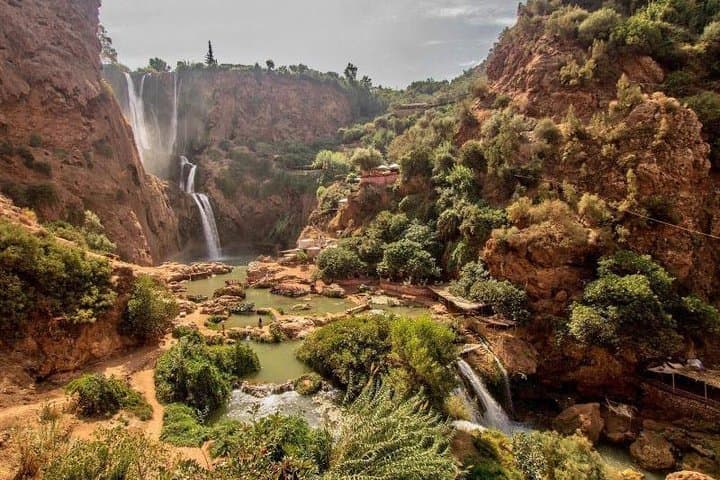
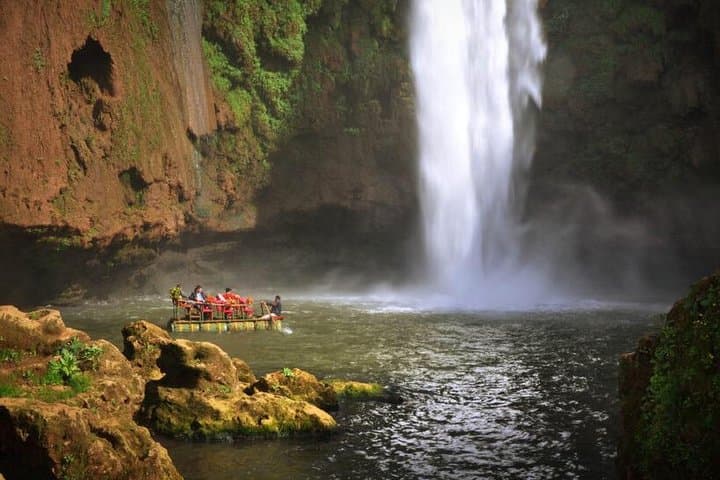
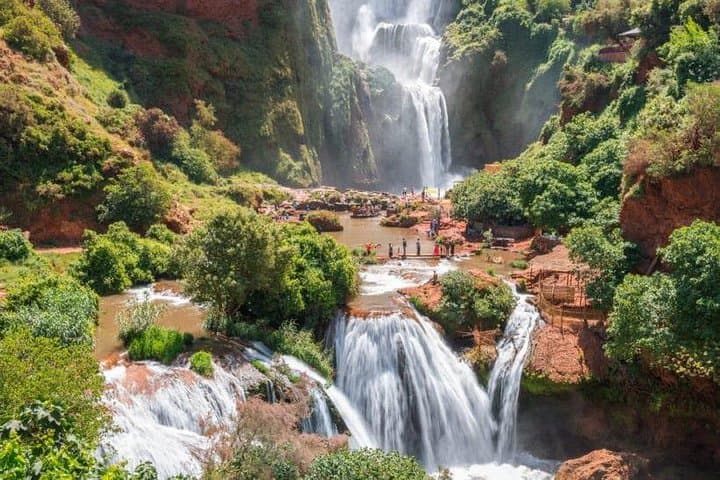
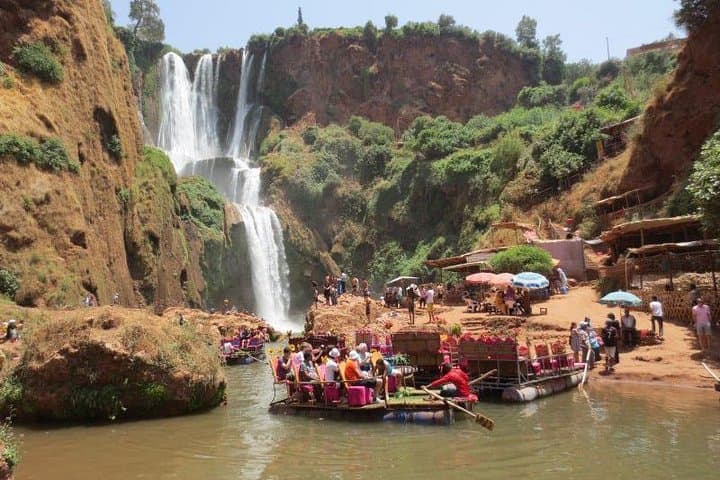
You step out of the van into a cooler air, the sound of water first like distant percussion and then a continuous drum. The trail drops quickly toward the gorge and the first glimpse of Ouzoud Falls arrives: rivers slicing over tiers of ochre rock, falling in a curtain that tumbles more than 110 meters before breaking into spray. Olive trees cling to the slopes above; vendors call from shaded terraces below. For a day, the Atlas pushes the city away and asks you to slow.
Verified experiences and guided adventures in the surrounding area.
Operated by Kech adventures · Azilal, Béni Mellal-Khénifra
You step out of the van into a cooler air, the sound of water first like distant percussion and then a continuous drum. The trail drops quickly toward the gorge and the first glimpse of Ouzoud Falls arrives: rivers slicing over tiers of ochre rock, falling in a curtain that tumbles more than 110 meters before breaking into spray. Olive trees cling to the slopes above; vendors call from shaded terraces below. For a day, the Atlas pushes the city away and asks you to slow.
Geology here is honest and readable: streams have carved channels through limestone and clay, creating stepped cliffs that funnel water into the cascades. The falls sit on the river El Abid and have been a focal point for local life for centuries — shepherds, small Berber hamlets and olive farmers whose groves slope down to the water. Culturally, the Ouzoud area is a working landscape where lunch is often communal and centered on slow-cooked tagines and fresh flatbread pulled from wood ovens.
On the ground the route is simple but real. Most visitors follow a loop of 2–4 km that navigates stone steps, packed-earth paths and short packed switchbacks; expect roughly 150 m cumulative elevation change if you explore the viewpoints and the base. Footing near the cascades is uneven and often slick with mist; many people take the short stair descent to the plunge pools, while others stay at the rim for the panoramic views and the light that catches the spray.
Wildlife here is bold — Barbary macaques often move among the olive groves and closer to cafés, and birds of prey ride thermal updrafts over the gorge. Local guides are available for short treks to quieter viewpoints and to point out less-visited cascades upstream. Midday meals in a riverside restaurant—fresh salads, mint tea and tajine—feel earned after the walking and make the day tactile: the flavors are local and straightforward.
Practical guidance: leave Marrakech early (the drive is about 2.5–3 hours each way depending on traffic) to beat crowds and to get the best light for photography. Wear grippy shoes, carry 1–2 liters of water, and pack a light rain shell for the spray. Bring cash for lunch and tips; some smaller businesses don’t take cards. If you want quieter moments, walk upstream past the main viewing decks, where a single cascade and a shallow pool make a good spot to sit and listen.
Ouzoud rewards uncomplicated attention: the geology, the human scale of olive terraces, and the simple choreography of water and rock. It’s an accessible day away from Marrakech with enough variety—views, wildlife and food—to make the long drive worth the return.
moderate.
10 hours.
Suitable for travelers comfortable with several short hikes, stair descents and uneven surfaces; basic stamina required for a full-day trip.
Expect roughly 2.5–3 hours each way depending on traffic; most organized day trips run 10 hours total including stops.
Some shallow pools are accessible but water is cold and currents can be unpredictable; swim at your own risk and follow local guidance.
Yes—riverside cafés and small restaurants offer local dishes like tajine, salads and mint tea; bring cash for smaller vendors.
Main viewpoints are reachable but many best views require stair descents; accessibility is limited on the steeper trails.
Barbary macaques are commonly seen around the olive groves and cafes, though feeding them is discouraged to avoid aggressive behavior.
Guides aren’t mandatory for the main loop, but local guides can show quieter spots, explain geology and assist with language—useful if you want off-trail viewpoints.
Ouzoud has long been part of a working landscape of olive cultivation and small Berber villages; the falls have shaped local settlement patterns and seasonal agriculture.
Visitors should stick to marked paths and avoid feeding wildlife; local initiatives encourage sustainable tourism and responsible waste disposal to protect the gorge.
Kech adventures operates guided outdoor trips and adventures with an emphasis on safety, stewardship, and memorable experiences.
You step out of the van into a cooler air, the sound of water first like distant percussion and then a continuous drum. The trail drops quickly toward the gorge and the first glimpse of Ouzoud Falls arrives: rivers slicing over tiers of ochre rock, falling in a curtain that tumbles more than 110 meters before breaking into spray. Olive trees cling to the slopes above; vendors call from shaded terraces below. For a day, the Atlas pushes the city away and asks you to slow.
You step out of the van into a cooler air, the sound of water first like distant percussion and then a continuous drum. The trail drops quickly toward the gorge and the first glimpse of Ouzoud Falls arrives: rivers slicing over tiers of ochre rock, falling in a curtain that tumbles more than 110 meters before breaking into spray. Olive trees cling to the slopes above; vendors call from shaded terraces below. For a day, the Atlas pushes the city away and asks you to slow.
Geology here is honest and readable: streams have carved channels through limestone and clay, creating stepped cliffs that funnel water into the cascades. The falls sit on the river El Abid and have been a focal point for local life for centuries — shepherds, small Berber hamlets and olive farmers whose groves slope down to the water. Culturally, the Ouzoud area is a working landscape where lunch is often communal and centered on slow-cooked tagines and fresh flatbread pulled from wood ovens.
On the ground the route is simple but real. Most visitors follow a loop of 2–4 km that navigates stone steps, packed-earth paths and short packed switchbacks; expect roughly 150 m cumulative elevation change if you explore the viewpoints and the base. Footing near the cascades is uneven and often slick with mist; many people take the short stair descent to the plunge pools, while others stay at the rim for the panoramic views and the light that catches the spray.
Wildlife here is bold — Barbary macaques often move among the olive groves and closer to cafés, and birds of prey ride thermal updrafts over the gorge. Local guides are available for short treks to quieter viewpoints and to point out less-visited cascades upstream. Midday meals in a riverside restaurant—fresh salads, mint tea and tajine—feel earned after the walking and make the day tactile: the flavors are local and straightforward.
Practical guidance: leave Marrakech early (the drive is about 2.5–3 hours each way depending on traffic) to beat crowds and to get the best light for photography. Wear grippy shoes, carry 1–2 liters of water, and pack a light rain shell for the spray. Bring cash for lunch and tips; some smaller businesses don’t take cards. If you want quieter moments, walk upstream past the main viewing decks, where a single cascade and a shallow pool make a good spot to sit and listen.
Ouzoud rewards uncomplicated attention: the geology, the human scale of olive terraces, and the simple choreography of water and rock. It’s an accessible day away from Marrakech with enough variety—views, wildlife and food—to make the long drive worth the return.