THE ADVENTURE COLLECTIVE® · Independent discovery and booking for outdoor travel

A private full-day escape from Marrakech to Morocco's highest waterfalls, Ouzoud offers dramatic drops, olive groves, and a chance to see Barbary macaques. This guide covers what to expect, how to prepare, and when to go for the best light.
A private full-day escape from Marrakech to Morocco's highest waterfalls, Ouzoud offers dramatic drops, olive groves, and a chance to see Barbary macaques. This guide covers what to expect, how to prepare, and when to go for the best light.
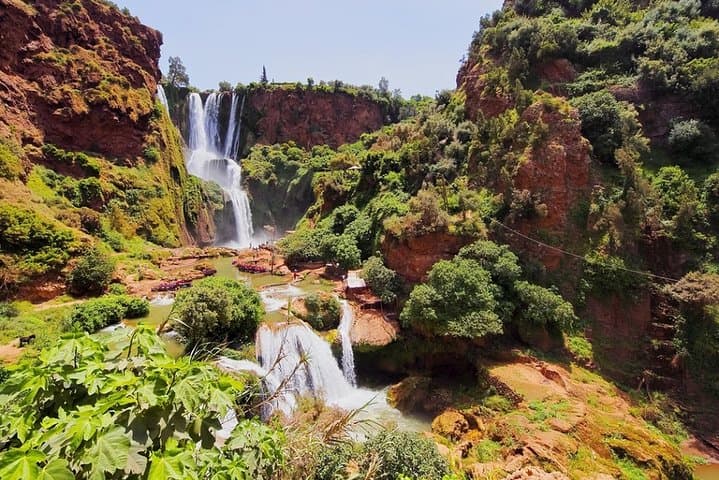
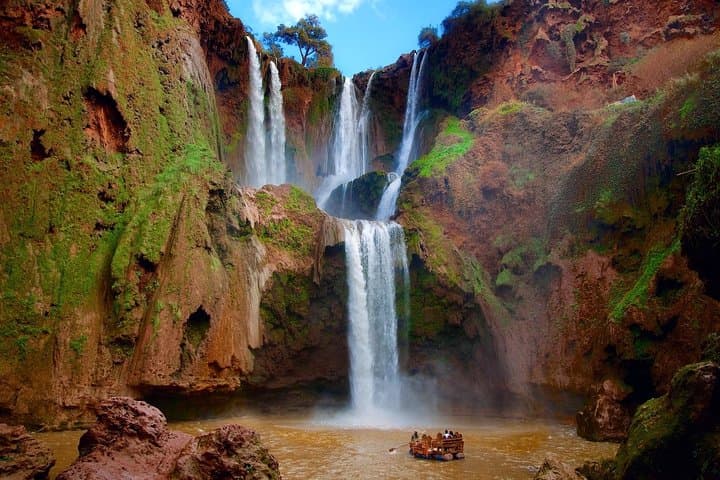
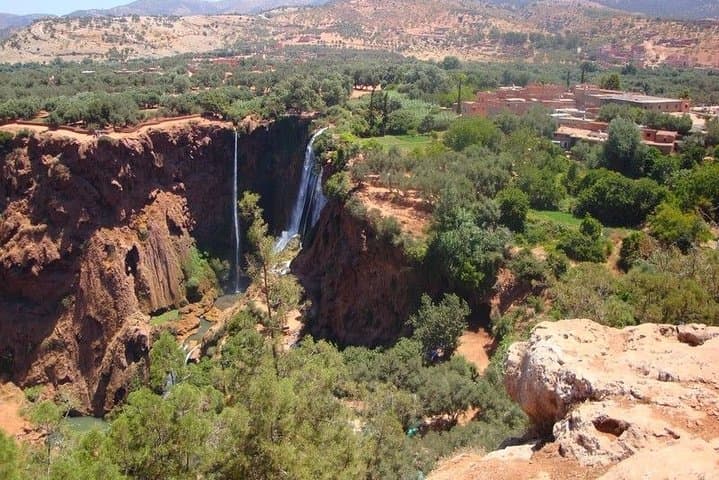
You leave Marrakech before dawn and the city folds behind you—dusty riads and call-to-prayer echoes shrinking into a ribbon of highway that climbs into the High Atlas. The landscape tightens: terraced fields and small villages give way to a roll of olive-dotted slopes. Then, from a bend, you hear it before you see it—the river daring the cliff to hold back its water. Ouzoud arrives with white noise: a plume of spray that carries a tang of minerals and riverweed, and the sudden, vertiginous sight of water plunging roughly 110 meters in segmented curtains.
Verified experiences and guided adventures in the surrounding area.
Operated by Marrakech Tour Trip · Ouzoud, Béni Mellal-Khénifra
You leave Marrakech before dawn and the city folds behind you—dusty riads and call-to-prayer echoes shrinking into a ribbon of highway that climbs into the High Atlas. The landscape tightens: terraced fields and small villages give way to a roll of olive-dotted slopes. Then, from a bend, you hear it before you see it—the river daring the cliff to hold back its water. Ouzoud arrives with white noise: a plume of spray that carries a tang of minerals and riverweed, and the sudden, vertiginous sight of water plunging roughly 110 meters in segmented curtains.
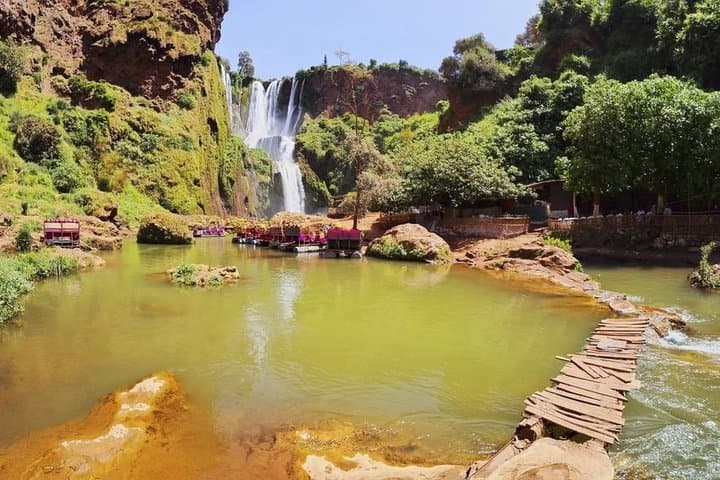
Ouzoud's name hints at what surrounds it — 'olives' in the local Tamazight tongue — and the falls sit where the El-Abid river has spent millennia slicing through soft sedimentary rock. The cascade is not a single drop but a stair-step fall; terraces and plunge pools have been shaped by water and by the pastoral practices of Berber communities who have lived in these folds of the Atlas for generations. Small mills and cafes cling to the path, and the terraces are threaded with pathways, wooden bridges, and viewpoints that let you pick your own frame of the falls.
The site has long been a meeting place: for shepherds, for villagers trading olives and honey, and increasingly for travelers who come from Marrakech for a day. Wildlife is part of the scene — Barbary macaques hop through the trees with the casual audacity of locals who know tourists often have treats. Raptors quarter the thermals above the gorge, and kingfishers flash along quieter stretches of river.
Practicalities matter on a day like this. Expect roughly 170 km and about 2–3 hours each way from Marrakech depending on stops; the tour runs 7–9 hours. Footing near the falls is uneven and often damp—there are stairs, loose rock, and narrow ledges—so wear grippy shoes. Bring sunscreen, a refillable water bottle, and small bills for tea on a terrace or tips. If you want quieter light and better photos, aim for early morning or late afternoon; midday brings tour groups and harsh contrasts.
This private tour format buys you flexibility: extra time at a favored viewpoint, a longer riverside lunch at a plastered café, or a gentle stroll downstream to the less-trampled pools. Respect the local guides and the landscape: avoid feeding wildlife, pack out litter, and use marked paths to protect the olive terraces. At day's end you ride back toward Marrakech, the road smoothing the day into memory, the falls’ roar shrinking into the persistent hum of the Atlas foothills.
moderate.
7–9 hours.
Light to moderate fitness; able to walk stairs and uneven trails for up to 2–3 hours during the stop.
The falls are about 170 km from Marrakech; expect roughly 2–3 hours each way depending on traffic and stops.
Walking involves stairs and uneven terrain but is manageable for most; the tour is described as suitable for all fitness levels with moderate activity during the visit.
According to the itinerary, admission to Ouzoud is included in the tour price—confirm at booking.
Barbary macaques are common near the falls, but the tour recommends observing from a distance and avoiding feeding them.
Lunch is typically not included; the tour stops near local cafes and terraces where you can choose a meal—bring cash for smaller vendors.
Yes, this is a private full-day tour with hotel or riad pickup and drop-off in Marrakech.
Local Berber communities have farmed olive terraces around Ouzoud for centuries; mills and footpaths around the falls reflect generations of rural life.
Stay on marked paths to protect terraces and native vegetation; avoid feeding wildlife and carry out any trash to reduce impact.
Marrakech Tour Trip operates guided outdoor trips and adventures with an emphasis on safety, stewardship, and memorable experiences.
You leave Marrakech before dawn and the city folds behind you—dusty riads and call-to-prayer echoes shrinking into a ribbon of highway that climbs into the High Atlas. The landscape tightens: terraced fields and small villages give way to a roll of olive-dotted slopes. Then, from a bend, you hear it before you see it—the river daring the cliff to hold back its water. Ouzoud arrives with white noise: a plume of spray that carries a tang of minerals and riverweed, and the sudden, vertiginous sight of water plunging roughly 110 meters in segmented curtains.
You leave Marrakech before dawn and the city folds behind you—dusty riads and call-to-prayer echoes shrinking into a ribbon of highway that climbs into the High Atlas. The landscape tightens: terraced fields and small villages give way to a roll of olive-dotted slopes. Then, from a bend, you hear it before you see it—the river daring the cliff to hold back its water. Ouzoud arrives with white noise: a plume of spray that carries a tang of minerals and riverweed, and the sudden, vertiginous sight of water plunging roughly 110 meters in segmented curtains.
Ouzoud's name hints at what surrounds it — 'olives' in the local Tamazight tongue — and the falls sit where the El-Abid river has spent millennia slicing through soft sedimentary rock. The cascade is not a single drop but a stair-step fall; terraces and plunge pools have been shaped by water and by the pastoral practices of Berber communities who have lived in these folds of the Atlas for generations. Small mills and cafes cling to the path, and the terraces are threaded with pathways, wooden bridges, and viewpoints that let you pick your own frame of the falls.
The site has long been a meeting place: for shepherds, for villagers trading olives and honey, and increasingly for travelers who come from Marrakech for a day. Wildlife is part of the scene — Barbary macaques hop through the trees with the casual audacity of locals who know tourists often have treats. Raptors quarter the thermals above the gorge, and kingfishers flash along quieter stretches of river.
Practicalities matter on a day like this. Expect roughly 170 km and about 2–3 hours each way from Marrakech depending on stops; the tour runs 7–9 hours. Footing near the falls is uneven and often damp—there are stairs, loose rock, and narrow ledges—so wear grippy shoes. Bring sunscreen, a refillable water bottle, and small bills for tea on a terrace or tips. If you want quieter light and better photos, aim for early morning or late afternoon; midday brings tour groups and harsh contrasts.
This private tour format buys you flexibility: extra time at a favored viewpoint, a longer riverside lunch at a plastered café, or a gentle stroll downstream to the less-trampled pools. Respect the local guides and the landscape: avoid feeding wildlife, pack out litter, and use marked paths to protect the olive terraces. At day's end you ride back toward Marrakech, the road smoothing the day into memory, the falls’ roar shrinking into the persistent hum of the Atlas foothills.