THE ADVENTURE COLLECTIVE® · Independent discovery and booking for outdoor travel

A full-day escape from Marrakech delivers one of Morocco’s most dramatic natural shows: Ouzoud Falls’ 110m drop, olive-dotted terraces and curious Barbary macaques. This guide covers what to expect on the drive, the best viewpoints, and the practical gear and timing required for a smooth visit.
A full-day escape from Marrakech delivers one of Morocco’s most dramatic natural shows: Ouzoud Falls’ 110m drop, olive-dotted terraces and curious Barbary macaques. This guide covers what to expect on the drive, the best viewpoints, and the practical gear and timing required for a smooth visit.
You round a bend in the high plains east of Marrakech and the road drops away into a gorge that smells faintly of wet stone and olive oil. From the minivan window the canyon opens like a ripped curtain and, beyond the terraces, Ouzoud Falls unspools: a white ledger of water falling roughly 110 meters in stepped tiers, steam and spray catching the afternoon light.
Verified experiences and guided adventures in the surrounding area.
Operated by Morocco Destination Experts · Ouzoud, Béni Mellal-Khénifra
You round a bend in the high plains east of Marrakech and the road drops away into a gorge that smells faintly of wet stone and olive oil. From the minivan window the canyon opens like a ripped curtain and, beyond the terraces, Ouzoud Falls unspools: a white ledger of water falling roughly 110 meters in stepped tiers, steam and spray catching the afternoon light.
This is a day that moves between contrasts — the bustle of Marrakech, the slow agriculture of the olive groves (Ouzoud derives from the Berber word for olive), and the raw geology of the Middle Atlas where springs carve the Oued El Abid. The falls sit on a volcanic plateau; basalt and red clay form the steep amphitheater that forces tributaries into curtains and plunge pools. Historically, the area supported small Amazigh villages and grain mills; you can still see old stone mills tucked into terraces and feeding channels where water once turned grindstones.
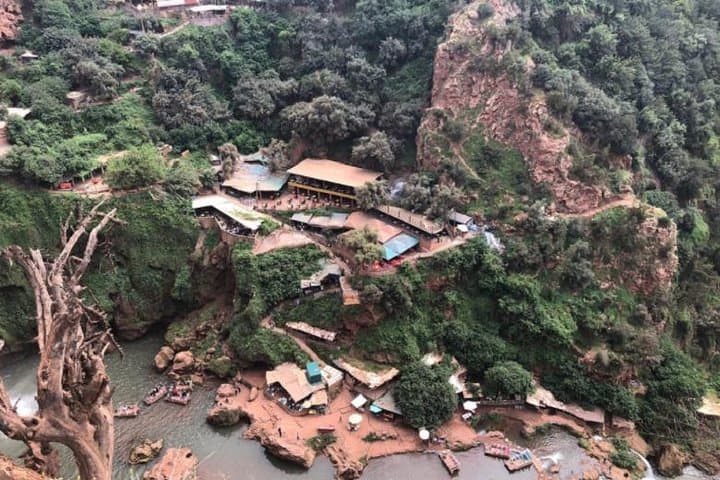
Local life remains visible at the rim: cafés stacked with mint tea, terraced orchards heavy with figs and pomegranates, and the Barbary macaques that have learned the rhythms of tourists. The monkeys are charismatic but boundary-testing — don’t feed them. Vendors rent small paddle boats at the pool below the main drop and local guides will lead you to viewpoints that show the falls straight on or from a cliffside angle that reveals the olive fields stretching toward the Atlas.
Practical guide: the full-day tour from Marrakech runs roughly 8–9 hours with about 4 hours at the site — enough time for the rim trails, a descent to the base, and a relaxed lunch. Expect uneven stone paths and short steep pitches; the standard loop near the falls is 2–4 km with about 150–200 m of elevation change depending on how far you descend. Swimming beneath the lower cascades is possible in warm months but currents can be strong; boat rides and meals are typically extra.
Timing matters. Visit early or late to avoid the largest tour groups and to catch softer light for photos. Bring sturdy shoes with grip for wet rocks, sun protection for the open terraces, and a refillable water bottle — sources are available but bottled water is easiest. Respect local etiquette: ask before photographing people and verify menu prices before sitting in cafés. Finally, support the village economy by hiring a local guide if you want a deeper read on the geology and cultural history — they can point out old millworks and the best lookout to watch the water dare the gorge below.
moderate.
8–9 hours.
Moderate fitness with comfort on short, steep descents and uneven terrain
Expect about 2.5–3 hours each way by minivan depending on traffic and stops — the full tour is typically 8–9 hours.
Yes in the lower pools when conditions are calm, but watch for currents and follow local guides’ advice; no lifeguards are present.
No — lunches, boat rides and souvenir purchases are usually extra; cafés and restaurants near the falls accept cash.
Yes, but children must be accompanied by an adult; paths can be steep and slippery so supervision is required.
Macaques are common near the falls, but avoid feeding them and keep belongings secured; they can be bold around food.
A guide is not mandatory but a local guide enhances understanding of the geology, history and safest access points — plus it supports the local economy.
Ouzoud sits on volcanic plateau rock where ancient water channels powered stone mills; the area has long been farmed by Amazigh communities and named for its olive groves.
Tourism brings income but also pressure on trails and wildlife; avoid feeding animals, stick to marked paths and hire local guides to ensure sustainable practices.
Morocco Destination Experts operates guided outdoor trips and adventures with an emphasis on safety, stewardship, and memorable experiences.
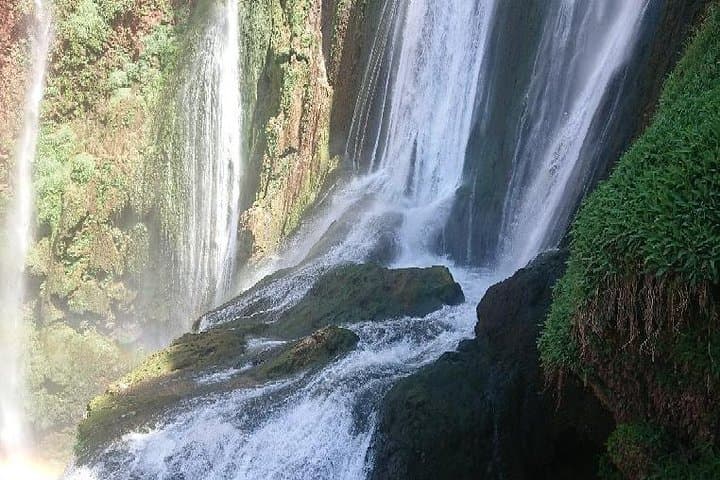
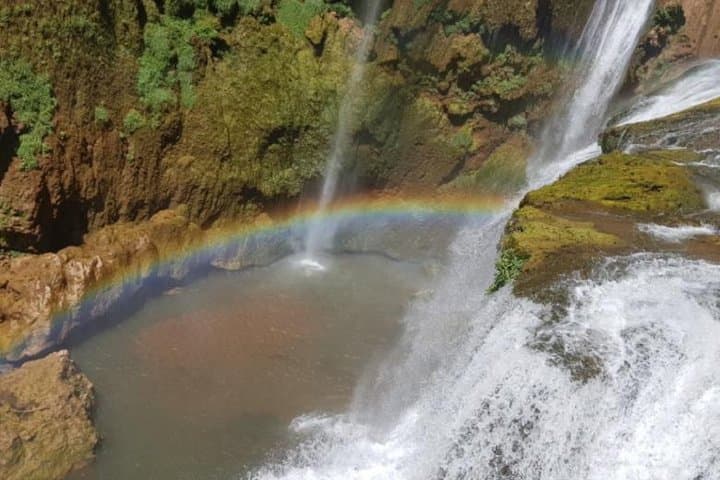
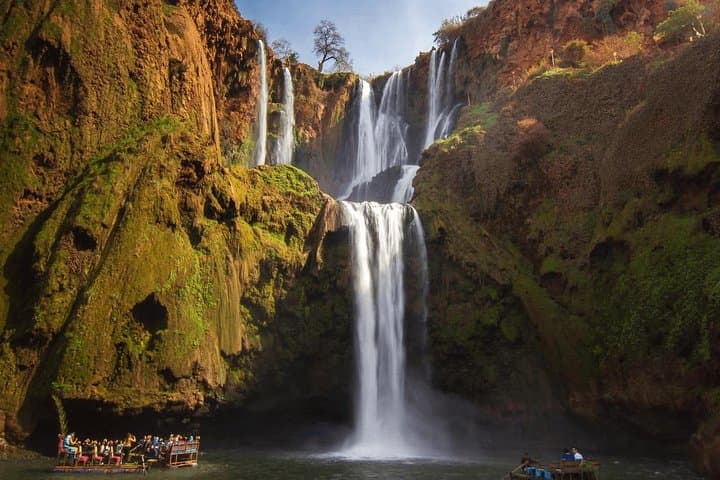
You round a bend in the high plains east of Marrakech and the road drops away into a gorge that smells faintly of wet stone and olive oil. From the minivan window the canyon opens like a ripped curtain and, beyond the terraces, Ouzoud Falls unspools: a white ledger of water falling roughly 110 meters in stepped tiers, steam and spray catching the afternoon light.
You round a bend in the high plains east of Marrakech and the road drops away into a gorge that smells faintly of wet stone and olive oil. From the minivan window the canyon opens like a ripped curtain and, beyond the terraces, Ouzoud Falls unspools: a white ledger of water falling roughly 110 meters in stepped tiers, steam and spray catching the afternoon light.
This is a day that moves between contrasts — the bustle of Marrakech, the slow agriculture of the olive groves (Ouzoud derives from the Berber word for olive), and the raw geology of the Middle Atlas where springs carve the Oued El Abid. The falls sit on a volcanic plateau; basalt and red clay form the steep amphitheater that forces tributaries into curtains and plunge pools. Historically, the area supported small Amazigh villages and grain mills; you can still see old stone mills tucked into terraces and feeding channels where water once turned grindstones.
Local life remains visible at the rim: cafés stacked with mint tea, terraced orchards heavy with figs and pomegranates, and the Barbary macaques that have learned the rhythms of tourists. The monkeys are charismatic but boundary-testing — don’t feed them. Vendors rent small paddle boats at the pool below the main drop and local guides will lead you to viewpoints that show the falls straight on or from a cliffside angle that reveals the olive fields stretching toward the Atlas.
Practical guide: the full-day tour from Marrakech runs roughly 8–9 hours with about 4 hours at the site — enough time for the rim trails, a descent to the base, and a relaxed lunch. Expect uneven stone paths and short steep pitches; the standard loop near the falls is 2–4 km with about 150–200 m of elevation change depending on how far you descend. Swimming beneath the lower cascades is possible in warm months but currents can be strong; boat rides and meals are typically extra.
Timing matters. Visit early or late to avoid the largest tour groups and to catch softer light for photos. Bring sturdy shoes with grip for wet rocks, sun protection for the open terraces, and a refillable water bottle — sources are available but bottled water is easiest. Respect local etiquette: ask before photographing people and verify menu prices before sitting in cafés. Finally, support the village economy by hiring a local guide if you want a deeper read on the geology and cultural history — they can point out old millworks and the best lookout to watch the water dare the gorge below.