THE ADVENTURE COLLECTIVE® · Independent discovery and booking for outdoor travel

A day trip from Marrakech to Ouzoud delivers dramatic multi-tiered falls, stone mills and terraces of citrus. This guide walks you through the scenery, history and practical tips for the 150 km journey and the 110 m cascades.
A day trip from Marrakech to Ouzoud delivers dramatic multi-tiered falls, stone mills and terraces of citrus. This guide walks you through the scenery, history and practical tips for the 150 km journey and the 110 m cascades.
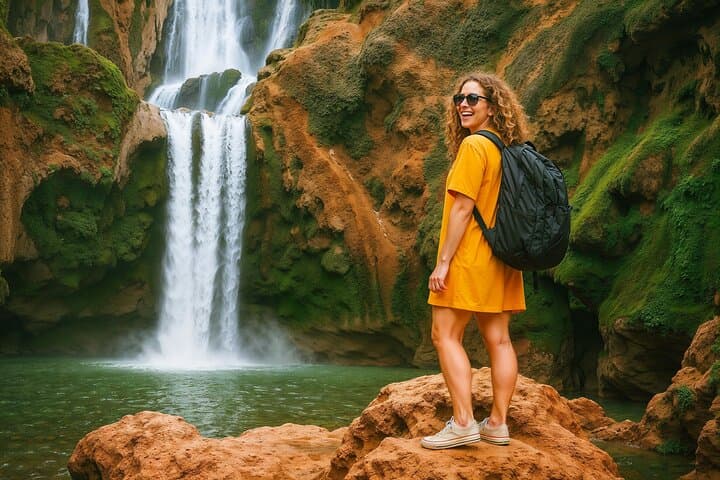
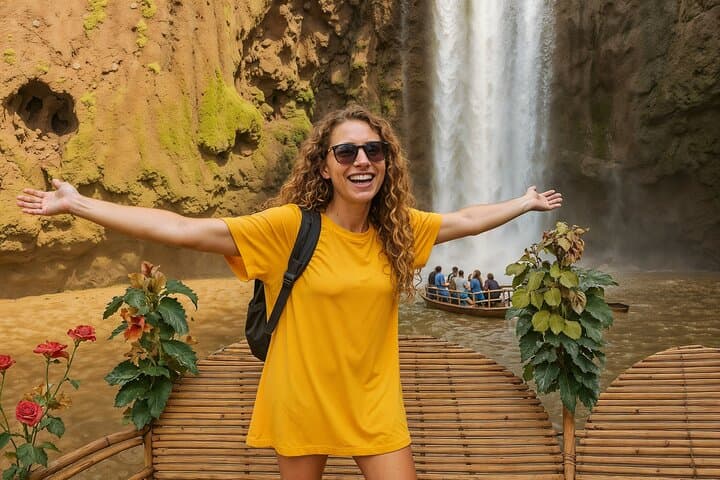
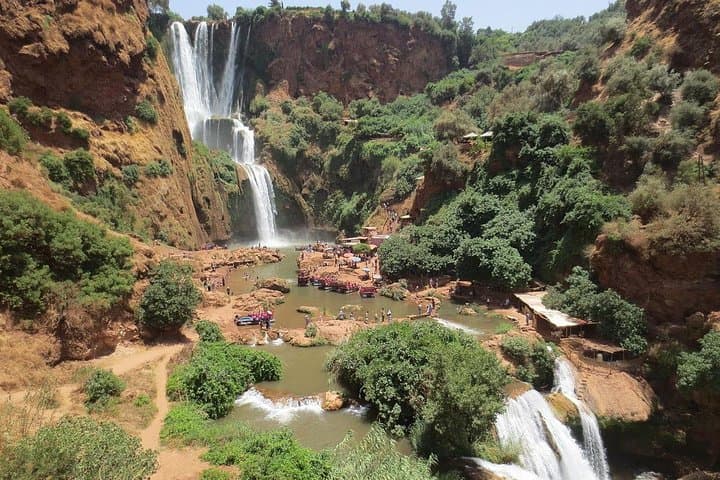
A low rumble builds before you see the water: a tremor of noise that grows into a rush as the river leans over the cliff and drops. On the approach to Ouzoud, the road chisels through red earth and low scrub until suddenly the valley opens and a veil of spray crowns the gorge. The falls themselves spill roughly 110 meters (360 feet) in a series of three major drops, each terrace carved by water and time, each ledge hosting stone mills, cafeterias and terraces where citrus trees lift their fragrance into the air.
Verified experiences and guided adventures in the surrounding area.
Operated by Ok Traveling · Ouzoud, Azilal Province
A low rumble builds before you see the water: a tremor of noise that grows into a rush as the river leans over the cliff and drops. On the approach to Ouzoud, the road chisels through red earth and low scrub until suddenly the valley opens and a veil of spray crowns the gorge. The falls themselves spill roughly 110 meters (360 feet) in a series of three major drops, each terrace carved by water and time, each ledge hosting stone mills, cafeterias and terraces where citrus trees lift their fragrance into the air.
The cascades sit on the northern edge of the High Atlas foothills, where hard limestone and older schist slide into softer alluvial sediments. Over millennia the El Abid river has scoured channels and left behind the stepped formations that create Ouzoud’s multiple drops. Human history here is practical and persistent: olive groves, small mills and cliffside footpaths remain as they have for generations, used by villagers tending orchards and by traders moving between mountain hamlets.
Culture at Ouzoud is quiet and convivial. Local guides meet visitors at the trailhead; cafes line terraces with fresh-squeezed orange juice and tajines simmering under low heat. Barbary macaques are a common, mischievous presence—curious and sometimes brazen—while doves thread the oleander and larks ride thermals over the gorge.
For visitors the day trip is compact and manageable. From Marrakech it’s about 150 km (roughly a 2–2.5 hour drive each way) by air‑conditioned minibus, with a guided 2–4 hour loop at the falls. The terrain alternates paved paths, stone steps and narrow dirt tracks; some viewpoints require a short scramble over loose rock. Expect a moderate amount of uphill and downhill walking if you traverse the full loop and visit both the base and the top viewpoints.
Practical planning tips: arrive early to catch cooler morning light and fewer crowds; wear grippy shoes—the stone steps are often wet and slippery; carry at least 1.5–2 liters of water and bring cash for cafes and tip jars. Photography rewards patience: spray mutes contrast and creates rainbows in the right light. Respect wildlife—do not feed macaques and secure food and bags.
The day operates year-round; spring and autumn are the most comfortable for walking, while winter brings crisp air and higher flows in the river. Whether you’re after a crisp hike from the viewing platforms or a slower day of local food and river sound, Ouzoud delivers a close-in Atlas landscape that still feels lived-in and alive.
moderate.
8 hours.
Suitable for travelers in average fitness; expect several short climbs and uneven steps during the 2–4 hour falls loop.
Expect about 150 km and 2–2.5 hours each way by minibus, depending on traffic and stops.
Lunch is typically not included; there are several riverside restaurants and cafés where you can buy Moroccan dishes and fresh juice.
Yes—this tour is family-friendly, though parents should watch children on wet steps and near cliff edges.
Basic facilities are available at viewpoints and restaurants, but bring hand sanitizer and small change for use.
Swimming is generally not recommended due to currents, cold water and rocky conditions; stick to designated viewing areas.
You may spot Barbary macaques and various bird species like doves and wagtails—observe from a distance and avoid feeding animals.
Local stone mills beside the falls are remnants of traditional olive and grain processing; many have operated on the terraces for centuries.
Visitor pressure is managed informally by local businesses; avoid littering, stay on paths and support eco-minded cafes to minimize impact.
Ok Traveling operates guided outdoor trips and adventures with an emphasis on safety, stewardship, and memorable experiences.

A low rumble builds before you see the water: a tremor of noise that grows into a rush as the river leans over the cliff and drops. On the approach to Ouzoud, the road chisels through red earth and low scrub until suddenly the valley opens and a veil of spray crowns the gorge. The falls themselves spill roughly 110 meters (360 feet) in a series of three major drops, each terrace carved by water and time, each ledge hosting stone mills, cafeterias and terraces where citrus trees lift their fragrance into the air.
A low rumble builds before you see the water: a tremor of noise that grows into a rush as the river leans over the cliff and drops. On the approach to Ouzoud, the road chisels through red earth and low scrub until suddenly the valley opens and a veil of spray crowns the gorge. The falls themselves spill roughly 110 meters (360 feet) in a series of three major drops, each terrace carved by water and time, each ledge hosting stone mills, cafeterias and terraces where citrus trees lift their fragrance into the air.
The cascades sit on the northern edge of the High Atlas foothills, where hard limestone and older schist slide into softer alluvial sediments. Over millennia the El Abid river has scoured channels and left behind the stepped formations that create Ouzoud’s multiple drops. Human history here is practical and persistent: olive groves, small mills and cliffside footpaths remain as they have for generations, used by villagers tending orchards and by traders moving between mountain hamlets.
Culture at Ouzoud is quiet and convivial. Local guides meet visitors at the trailhead; cafes line terraces with fresh-squeezed orange juice and tajines simmering under low heat. Barbary macaques are a common, mischievous presence—curious and sometimes brazen—while doves thread the oleander and larks ride thermals over the gorge.
For visitors the day trip is compact and manageable. From Marrakech it’s about 150 km (roughly a 2–2.5 hour drive each way) by air‑conditioned minibus, with a guided 2–4 hour loop at the falls. The terrain alternates paved paths, stone steps and narrow dirt tracks; some viewpoints require a short scramble over loose rock. Expect a moderate amount of uphill and downhill walking if you traverse the full loop and visit both the base and the top viewpoints.
Practical planning tips: arrive early to catch cooler morning light and fewer crowds; wear grippy shoes—the stone steps are often wet and slippery; carry at least 1.5–2 liters of water and bring cash for cafes and tip jars. Photography rewards patience: spray mutes contrast and creates rainbows in the right light. Respect wildlife—do not feed macaques and secure food and bags.
The day operates year-round; spring and autumn are the most comfortable for walking, while winter brings crisp air and higher flows in the river. Whether you’re after a crisp hike from the viewing platforms or a slower day of local food and river sound, Ouzoud delivers a close-in Atlas landscape that still feels lived-in and alive.