THE ADVENTURE COLLECTIVE® · Independent discovery and booking for outdoor travel

Leave Port Douglas for a high-speed catamaran ride to Agincourt Reef on the Outer Great Barrier Reef. Spend the day snorkeling, watching marine life from a semi-submersible, or trying an introductory dive while enjoying an on-pontoon buffet.
Leave Port Douglas for a high-speed catamaran ride to Agincourt Reef on the Outer Great Barrier Reef. Spend the day snorkeling, watching marine life from a semi-submersible, or trying an introductory dive while enjoying an on-pontoon buffet.
You step onto the marina at 9:00 a.m., salt on the air and the high-speed catamaran waiting like a promise of open water. The 90-minute run to Agincourt Reef quickens the pulse—sea spray on your face, the horizon flattening into a band of reef that suddenly breaks the blue. The permanent pontoon is a sheltered hub: staff briefings, a marine-biologist talk, and the hum of guests preparing to slip into the shallows.
Verified experiences and guided adventures in the surrounding area.
Operated by The Quicksilver Group · Port Douglas, Queensland
You step onto the marina at 9:00 a.m., salt on the air and the high-speed catamaran waiting like a promise of open water. The 90-minute run to Agincourt Reef quickens the pulse—sea spray on your face, the horizon flattening into a band of reef that suddenly breaks the blue. The permanent pontoon is a sheltered hub: staff briefings, a marine-biologist talk, and the hum of guests preparing to slip into the shallows.
Agincourt Reef sits on the outer edge of the Great Barrier Reef, formed over millennia as coral built upward from the continental shelf. European maps named many features during 18th–19th-century voyages, but this sea has been central to Indigenous coastal communities for thousands of years. Geologically it’s an exposed ribbon reef system—long, narrow coral gardens separated by deep channels—so visibility and diversity of fish, coral and invertebrates are reliably good.
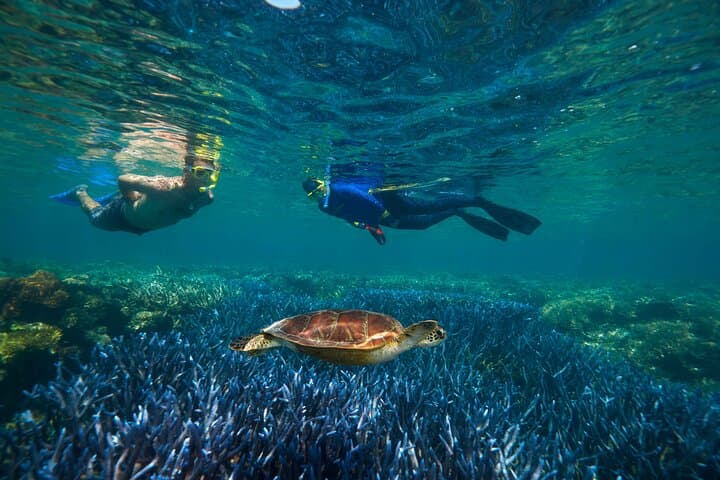
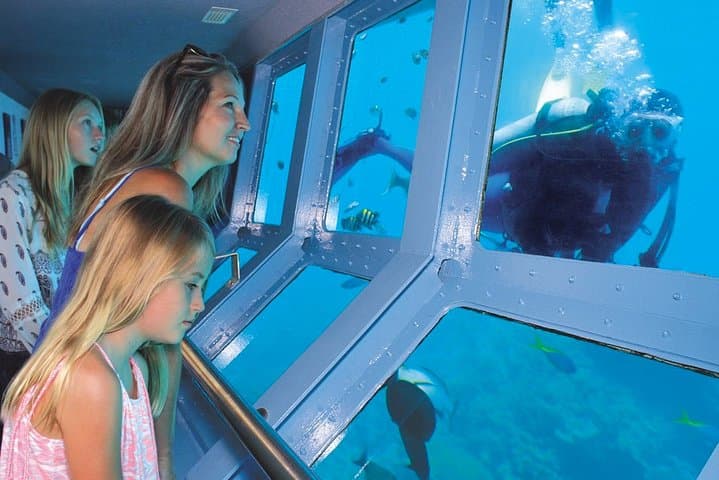
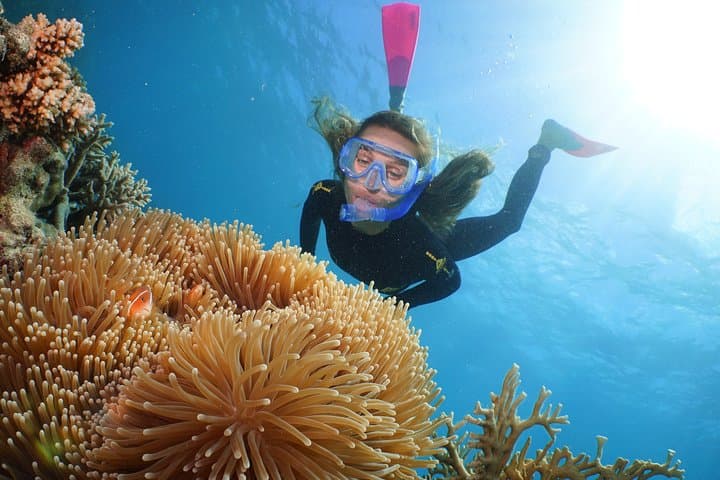
On this full-day trip expect about 3.5 hours on-site: guided and independent snorkeling, semi-submersible viewing, introductory scuba or helmet dives. The water can be warm and brilliantly clear; currents nudge you through coral arches while reef fish assess your presence.
Practically, arrive hydrated and sun-protected, and plan for a buffet lunch and two tea breaks on the pontoon. Bring a towel, reef-safe sunscreen, and a light shirt for sun and spray. If diving, review medical restrictions and post-dive flight limits—safety briefings are mandatory. Whether you stay dry in the underwater observatory or paddle over coral gardens, Agincourt delivers a focused, accessible Great Barrier Reef experience without the need for prior experience.
moderate.
8 hours.
Suitable for most fitness levels; basic swimming ability recommended for independent snorkeling; mobility assistance available for boarding.
No—snorkeling briefings and equipment are provided, and staff help beginners in shallow, sheltered areas.
Yes—introductory certified dives and Ocean Walker helmet dives are offered, but certified divers must show credentials and all divers complete health screening.
Trips run in most conditions but may be cancelled for safety; bring preventative seasickness medication if you’re susceptible and check cancellation policies for refunds.
Minimum age for diving is 12; snorkeling is family-friendly, but individual operators may set maximum age limits for certain activities—confirm when booking.
European charting of these ribbon reefs accelerated in the 18th–19th centuries, but the reef and adjacent coasts have long-standing significance to Indigenous peoples of Tropical North Queensland.
The reef is managed under Australian marine park regulations; visitors are asked to avoid touching coral, use reef-safe products, and follow operator briefings to minimize impact.
The Quicksilver Group operates guided outdoor trips and adventures with an emphasis on safety, stewardship, and memorable experiences.
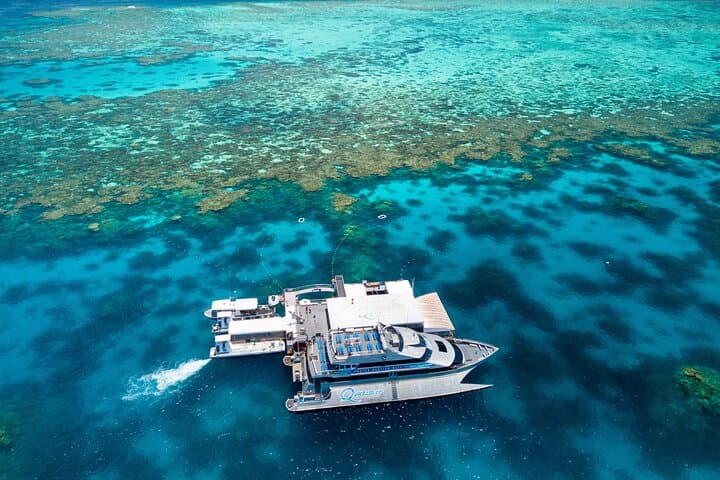
You step onto the marina at 9:00 a.m., salt on the air and the high-speed catamaran waiting like a promise of open water. The 90-minute run to Agincourt Reef quickens the pulse—sea spray on your face, the horizon flattening into a band of reef that suddenly breaks the blue. The permanent pontoon is a sheltered hub: staff briefings, a marine-biologist talk, and the hum of guests preparing to slip into the shallows.
You step onto the marina at 9:00 a.m., salt on the air and the high-speed catamaran waiting like a promise of open water. The 90-minute run to Agincourt Reef quickens the pulse—sea spray on your face, the horizon flattening into a band of reef that suddenly breaks the blue. The permanent pontoon is a sheltered hub: staff briefings, a marine-biologist talk, and the hum of guests preparing to slip into the shallows.
Agincourt Reef sits on the outer edge of the Great Barrier Reef, formed over millennia as coral built upward from the continental shelf. European maps named many features during 18th–19th-century voyages, but this sea has been central to Indigenous coastal communities for thousands of years. Geologically it’s an exposed ribbon reef system—long, narrow coral gardens separated by deep channels—so visibility and diversity of fish, coral and invertebrates are reliably good.
On this full-day trip expect about 3.5 hours on-site: guided and independent snorkeling, semi-submersible viewing, introductory scuba or helmet dives. The water can be warm and brilliantly clear; currents nudge you through coral arches while reef fish assess your presence.
Practically, arrive hydrated and sun-protected, and plan for a buffet lunch and two tea breaks on the pontoon. Bring a towel, reef-safe sunscreen, and a light shirt for sun and spray. If diving, review medical restrictions and post-dive flight limits—safety briefings are mandatory. Whether you stay dry in the underwater observatory or paddle over coral gardens, Agincourt delivers a focused, accessible Great Barrier Reef experience without the need for prior experience.