THE ADVENTURE COLLECTIVE® · Independent discovery and booking for outdoor travel

Learn Argentine tango outdoors in Apokoronas—small-group lessons in a shaded wooden floor at ManolisHouse that teach embraced improvisation, musical connection, and practical technique. Ideal for beginners and continuing dancers looking for a sunlit practice in rural Crete.
Learn Argentine tango outdoors in Apokoronas—small-group lessons in a shaded wooden floor at ManolisHouse that teach embraced improvisation, musical connection, and practical technique. Ideal for beginners and continuing dancers looking for a sunlit practice in rural Crete.
You step onto a wooden floor warmed by sun and dappled by shifting olive leaves; the air smells faintly of citrus and sea. In the Apokoronas countryside, a compact outdoor dance space at ManolisHouse frames a simple, honest exchange: two bodies, one embrace, and a local teacher guiding steps that translate Buenos Aires to Crete.
Verified experiences and guided adventures in the surrounding area.
Operated by Dimitris and Frini · Vamos, Crete
You step onto a wooden floor warmed by sun and dappled by shifting olive leaves; the air smells faintly of citrus and sea. In the Apokoronas countryside, a compact outdoor dance space at ManolisHouse frames a simple, honest exchange: two bodies, one embrace, and a local teacher guiding steps that translate Buenos Aires to Crete.
The terrain here is cultural as much as physical. Apokoronas sits on the northern flank of central-west Crete—stones and low ribs of hills shaped by Miocene limestone—and villages keep communal music and dance alive in weekly squares and kafeneia. Tango is not native, but the region’s social dance tradition—Cretan syrtos and mantinades—creates an easy cultural step into partnered improvisation.
Lessons focus on technique and embraced improvisation: posture, walking with intention, connection, and simple adornments (turns, ochos, ochos cortados). The class size is small, so instructors tailor corrections to balance and lead-follow communication. Expect mixed-level groups; beginners work on weight transfer and axis, intermediate dancers refine musicality and subtlety.
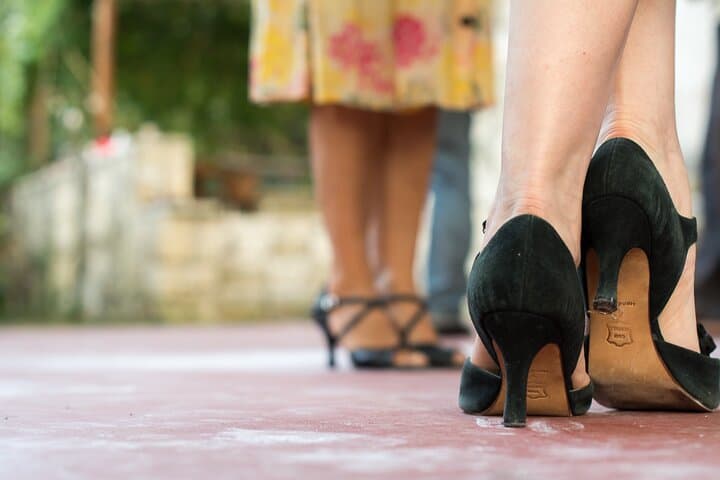
Practicalities: sessions run about 70 minutes, often outdoors beneath trees—bring sun protection and footwear with smooth soles for pivoting. Arrive 10–15 minutes early to warm up and claim a spot on the floor. If weather turns, classes may move inside or be rescheduled (24-hour cancellation policy applies). Whether you come for one lesson or a string of classes, the experience is a low-impact, highly social way to connect with place, people, and a new movement language.
easy.
1–1.5 hours.
Light physical shape—standing balance and basic mobility; suitable for most fitness levels
No—most classes accommodate solo participants and rotate partners so everyone practices leading and following.
Yes—the program starts with foundational exercises and footwork designed for people with no prior tango experience.
Instruction is commonly given in English; instructors may also use basic Greek or demonstrate nonverbally—confirm when booking if you need another language.
Organizers typically move the class indoors or reschedule; check the 24-hour cancellation policy and contact the provider the morning of your lesson.
Apokoronas villages preserve island traditions of communal music and dance; squares and kafeneia remain hubs where locals exchange songs and steps.
Be mindful of olive groves and private property—stay on designated paths, avoid leaving litter, and support providers that protect outdoor flooring and shade trees.
Dimitris and Frini operates guided outdoor trips and adventures with an emphasis on safety, stewardship, and memorable experiences.
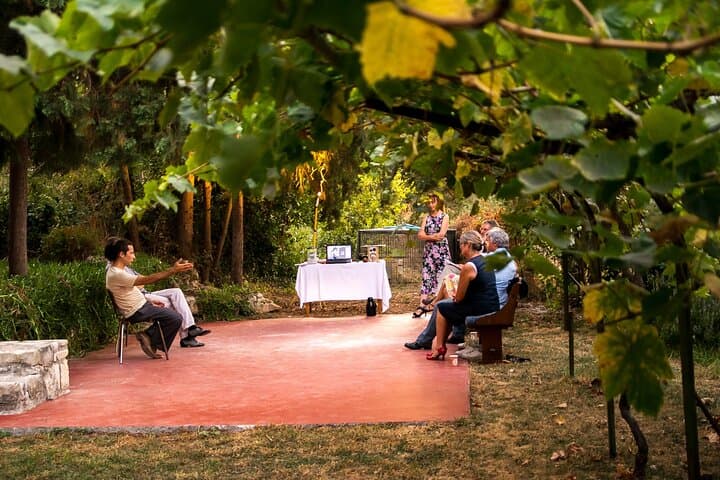
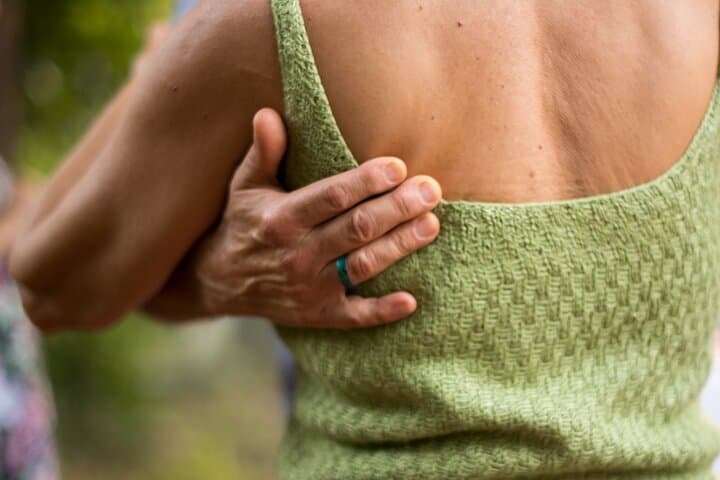
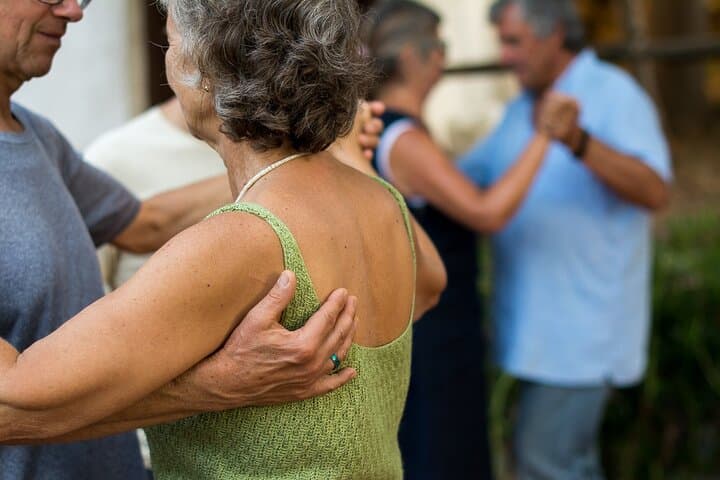
You step onto a wooden floor warmed by sun and dappled by shifting olive leaves; the air smells faintly of citrus and sea. In the Apokoronas countryside, a compact outdoor dance space at ManolisHouse frames a simple, honest exchange: two bodies, one embrace, and a local teacher guiding steps that translate Buenos Aires to Crete.
You step onto a wooden floor warmed by sun and dappled by shifting olive leaves; the air smells faintly of citrus and sea. In the Apokoronas countryside, a compact outdoor dance space at ManolisHouse frames a simple, honest exchange: two bodies, one embrace, and a local teacher guiding steps that translate Buenos Aires to Crete.
The terrain here is cultural as much as physical. Apokoronas sits on the northern flank of central-west Crete—stones and low ribs of hills shaped by Miocene limestone—and villages keep communal music and dance alive in weekly squares and kafeneia. Tango is not native, but the region’s social dance tradition—Cretan syrtos and mantinades—creates an easy cultural step into partnered improvisation.
Lessons focus on technique and embraced improvisation: posture, walking with intention, connection, and simple adornments (turns, ochos, ochos cortados). The class size is small, so instructors tailor corrections to balance and lead-follow communication. Expect mixed-level groups; beginners work on weight transfer and axis, intermediate dancers refine musicality and subtlety.
Practicalities: sessions run about 70 minutes, often outdoors beneath trees—bring sun protection and footwear with smooth soles for pivoting. Arrive 10–15 minutes early to warm up and claim a spot on the floor. If weather turns, classes may move inside or be rescheduled (24-hour cancellation policy applies). Whether you come for one lesson or a string of classes, the experience is a low-impact, highly social way to connect with place, people, and a new movement language.